10 Game-Changing Tools for Remote Work in 2025
Explore the top 10 innovative tools transforming remote work in 2025 to boost productivity and collaboration.

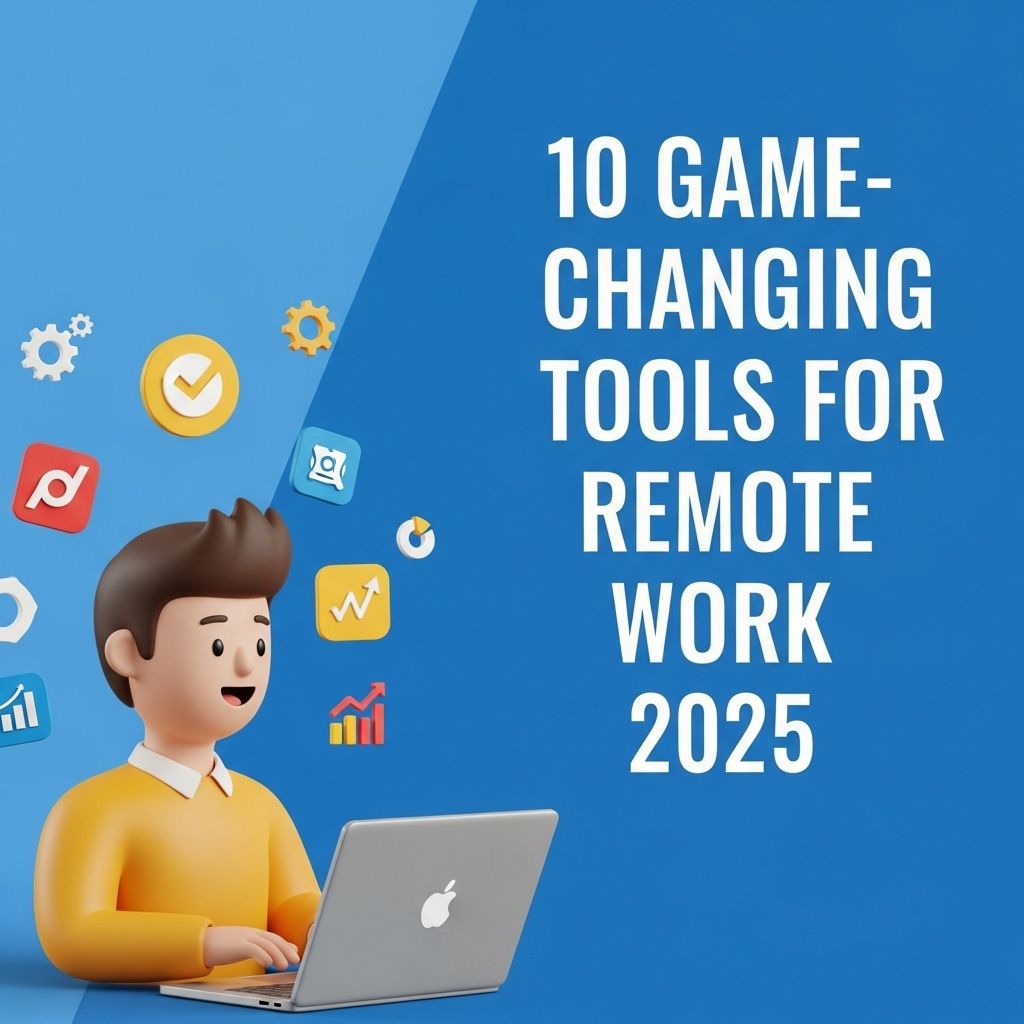
The evolution of remote work has accelerated rapidly, especially in the wake of global events that reshaped how we perceive our work environment. As technology continues to advance, new tools emerge that enhance productivity, collaboration, and overall work-life balance. In this article, we will explore ten game-changing tools that are expected to revolutionize remote work by 2025. These tools not only streamline processes but also foster communication and innovation, making them essential for any remote team.
As remote work continues to evolve, innovative tools will reshape how teams collaborate and communicate by 2025. From advanced project management software to immersive virtual environments, these game-changing resources will enhance productivity and connection across distances. For those in creative fields, you can download stunning logo mockups to elevate your branding efforts.
Table of Contents
1. Virtual Collaboration Platforms
As teams become increasingly distributed, the importance of effective collaboration cannot be overstated. Virtual collaboration platforms allow team members to work together in real-time, regardless of their physical location. Some leading platforms include:
- Miro: A digital whiteboard that facilitates brainstorming and planning.
- Microsoft Teams: Combines chat, video, and file sharing for seamless communication.
- Slack: Offers channels for different topics, integrating with various apps for enhanced productivity.
2. Advanced Project Management Tools
Project management tools are critical in helping teams stay organized and on track. The tools of the future will incorporate AI to predict project timelines and allocate resources efficiently. Some notable tools are:
- Trello: Uses boards and cards to visually manage projects.
- Asana: Features task assignments, deadlines, and progress tracking.
- Monday.com: Provides customizable workflows and automation options.
3. AI-Powered Communication Assistants
AI has made significant strides in improving communication efficiency. By 2025, we can expect more advanced AI communication assistants that help in various ways:
| Functionality | Examples |
|---|---|
| Email Sorting | AI tools that prioritize important messages. |
| Scheduling Meetings | Automation of calendar management. |
| Real-time Translation | Instant language translation during calls. |
4. Enhanced Cybersecurity Solutions
With the rise of remote work comes an increased risk of cyber threats. Robust cybersecurity tools will be paramount to protect sensitive information. Essential features to look for include:
- Encryption: Ensures data is secure during transmission.
- Multi-Factor Authentication: Adds an extra layer of security for logins.
- VPN Services: Protects user anonymity and secure access to company networks.
Leading Cybersecurity Tools
Some prominent tools to consider include:
- NordVPN: A reliable VPN service.
- LastPass: A password manager that enhances security and convenience.
- McAfee: Comprehensive antivirus and identity theft protection.
5. Cloud Storage Innovations
Cloud storage is vital for remote work, allowing teams to access files from anywhere. Future innovations will focus on:
- Increased Storage Capacities: More space for larger files and projects.
- Faster Upload/Download Speeds: Enhanced user experience when accessing files.
- Better Collaboration Features: Real-time editing and version control.
Top Cloud Storage Services
Consider using:
- Google Drive: Offers seamless integration with other Google services.
- Dropbox: Known for its user-friendly interface and robust sharing options.
- Microsoft OneDrive: Integrates well with Microsoft Office applications.
6. Time Management and Tracking Software
To maximize productivity, time management tools will play a crucial role. They allow individuals and teams to track time spent on various tasks, thus optimizing workflow. Key features include:
- Automated Time Tracking: Minimal manual input required.
- Reporting: Insights into how time is allocated across projects.
- Integrations: Works with other productivity tools for a seamless workflow.
Recommended Tools
Here are some popular time management software options:
- Harvest: Simple, intuitive time tracking.
- Toggl Track: Offers detailed reporting features.
- Clockify: A free tool for unlimited users.
7. Wellness and Mindfulness Apps
As the lines between work and personal life continue to blur, wellness and mindfulness will take center stage. Tools that promote mental health and well-being are crucial for remote teams. Some features to look for include:
- Guided Meditations: Short sessions that can be used during breaks.
- Wellness Challenges: Gamified experiences that promote healthy habits.
- Sleep Tracking: Insights into sleep patterns to improve rest.
Popular Wellness Apps
Consider adopting:
- Headspace: Offers a range of meditative experiences.
- Calm: Focuses on sleep and relaxation.
- MyFitnessPal: Tracks nutrition and physical activity.
8. Remote Desktop Tools
Remote desktop applications enable users to access their work computers from any location. This technology is crucial for maintaining productivity and continuity. Essential characteristics include:
- User-Friendly Interfaces: Easy to navigate for all team members.
- File Transfer Capabilities: Seamlessly move files between devices.
- Multi-Platform Support: Compatibility with various operating systems.
Leading Remote Desktop Applications
Some widely used tools are:
- TeamViewer: Allows remote control and file sharing.
- AnyDesk: Known for its speed and reliability.
- Chrome Remote Desktop: A free option that integrates with Google Chrome.
9. Enhanced Video Conferencing Solutions
Video conferencing tools are more critical than ever, providing face-to-face interaction even in a remote setting. The future will see enhancements such as:
- High-Quality Audio and Video: Improved clarity and connection stability.
- Virtual Backgrounds: Tools to create professional settings.
- AI Features: Automatic transcription and note-taking capabilities.
Notable Video Conferencing Tools
Some of the best options include:
- Zoom: Known for its ease of use and features.
- Google Meet: Integrated with Google Workspace.
- Webex: Offers advanced security features.
10. Smart Automation Tools
Automation is the future of work, streamlining repetitive tasks and freeing up time for creative and strategic initiatives. Smart automation tools will be integrated into various workflows, providing:
- Task Automation: Automatically handling routine tasks.
- Data Insights: Analyzing data to make informed decisions.
- Workflow Management: Optimizing processes to enhance efficiency.
Key Automation Tools
Consider using:
- Zapier: Connects different apps to automate workflows.
- If This Then That (IFTTT): Simple conditional automation.
- Integromat: Advanced automation with visual workflows.
Conclusion
As we look towards 2025, the landscape of remote work will undoubtedly continue to evolve. The tools mentioned above are set to change how we work, emphasizing collaboration, security, and well-being. By integrating these innovative solutions, organizations can create an environment that fosters productivity and enhances employee satisfaction. Adapting to new technologies will be essential for any team striving to thrive in the future of work.
FAQ
What are the best tools for remote work in 2025?
In 2025, some of the best tools for remote work include advanced collaboration platforms, AI-driven project management software, and virtual reality meeting spaces that enhance communication and productivity.
How can I improve team collaboration while working remotely?
To improve team collaboration in remote settings, consider using tools that offer real-time editing, video conferencing, and integrated task management features to keep everyone connected and on track.
What role does AI play in remote work tools?
AI plays a significant role in streamlining remote work by automating routine tasks, providing data-driven insights for project management, and enhancing communication through intelligent chatbots.
Are there specific tools for managing remote teams effectively?
Yes, tools like Trello, Asana, and Slack are designed specifically for managing remote teams, offering features that facilitate task assignment, progress tracking, and team communication.
What are the security considerations for remote work tools?
When using remote work tools, it’s essential to consider security features such as end-to-end encryption, multi-factor authentication, and regular updates to protect sensitive company information.
How can I ensure productivity while working remotely?
To ensure productivity while working remotely, utilize time management tools, set clear goals, and establish a dedicated workspace free from distractions.