Essential Tools for Remote Job Success
Discover the must-have tools that can elevate your remote work experience and boost your productivity.

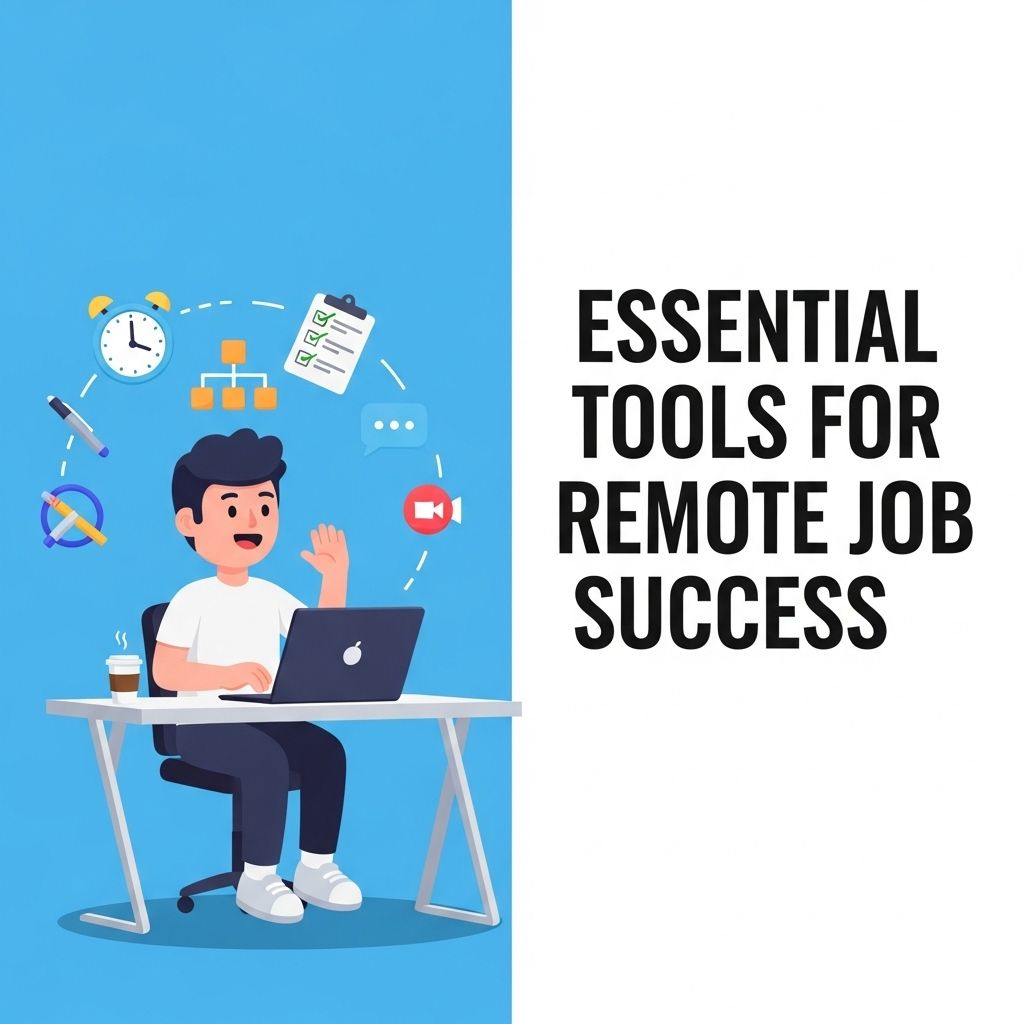
In the ever-evolving landscape of work, remote positions have become increasingly popular. With the right tools, remote workers can enhance productivity, communication, and collaboration. This article delves into essential tools that can pave the way for success in a remote job environment.
In today’s digital age, remote work has become a norm, necessitating the right tools for enhanced productivity and collaboration. From communication platforms to project management software, equipping yourself with essential tools can significantly impact your success in a remote setting. For those looking to elevate their branding, consider incorporating visual elements that resonate; you can explore our logo mockup collection for inspiration.
Table of Contents
Communication Tools
Effective communication is key to remote work success. With the absence of face-to-face interactions, leveraging the right tools can facilitate seamless dialogue among team members.
1. Slack
Slack is a well-known team communication platform that allows for real-time messaging, file sharing, and integrations with various services. Its organized channels help to keep conversations relevant.
- Features:
- Real-time messaging
- File sharing
- Channel organization
- Integration with other tools (e.g., Google Drive, Trello)
2. Microsoft Teams
More than just a chat tool, Microsoft Teams integrates with Office 365, making it a complete collaboration suite. Meetings, calls, and document collaboration can happen all in one place.
- Features:
- Video conferencing
- Collaboration on Office documents
- Task management integration
Project Management Tools
Managing projects remotely requires tools that help track progress and allocate resources efficiently. Here are a few standout project management tools:
1. Asana
Asana is designed to help teams organize and prioritize their work. Its user-friendly interface allows you to create tasks, assign them to team members, and track project milestones.
- Features:
- Task assignments and due dates
- Progress tracking
- Custom project templates
2. Trello
Trello uses a card-based system to manage tasks visually. This Kanban-style approach is great for teams that prefer a more visual representation of their workflow.
- Features:
- Drag-and-drop functionality
- Customizable boards
- Integration with other tools
Time Management Tools
Remote work can blur the lines between personal and professional time. Utilizing time management tools can help maintain a healthy work-life balance.
1. Toggl
Toggl is a straightforward time-tracking tool that enables you to log hours spent on various tasks. This can help pinpoint where time is well spent and where improvements can be made.
- Features:
- Easy time tracking
- Reports and analytics
- Team management features
2. Clockify
Clockify is another popular time-tracking tool that offers unlimited users and projects on its free plan. Ideal for teams, it also includes reporting features.
- Features:
- Time tracking
- Reporting
- Team management capabilities
Collaboration Tools
Collaboration tools are essential for fostering teamwork, especially in a remote environment. Here are some top choices:
1. Google Workspace
Google Workspace offers a suite of tools including Google Docs, Sheets, and Slides, allowing real-time collaboration on documents. Teams can work together seamlessly, regardless of their location.
- Features:
- Real-time editing
- Cloud storage
- Collaborative features like comments and suggestions
2. Miro
Miro is a collaborative online whiteboard platform that is great for brainstorming sessions and workshops. It allows teams to visualize ideas and processes in a dynamic way.
- Features:
- Templates for various use cases
- Real-time collaboration
- Integration with other tools
Security Tools
With the rise of remote work, ensuring data security is critical. Utilizing the right security tools can safeguard sensitive information.
1. LastPass
LastPass is a password manager that stores and encrypts passwords in a secure vault, ensuring that remote workers can safely access necessary accounts.
- Features:
- Password generation
- Two-factor authentication
- Sharing credentials securely
2. NordVPN
NordVPN provides a secure and private internet connection, which is especially important when using public Wi-Fi networks.
- Features:
- Secure VPN connection
- No logs policy
- Multiple server locations
Hardware Essentials
Choosing the right hardware can significantly impact productivity. Here are some must-have devices for remote workers:
1. Ergonomic Chair
An ergonomic chair can help prevent back pain and improve posture during long hours of work.
2. Dual Monitors
Using dual monitors can enhance productivity by providing more screen space, allowing for multitasking without the hassle of constantly switching between tabs.
Conclusion
The right combination of tools and hardware can make all the difference in achieving remote job success. By optimizing communication, collaboration, project management, time management, and security, remote workers can create an efficient and productive work environment. Embracing these essential tools will empower individuals to navigate their remote work landscape effectively.
FAQ
What are the essential tools for remote job success?
Essential tools for remote job success include communication platforms like Slack or Microsoft Teams, project management software such as Trello or Asana, video conferencing tools like Zoom, and cloud storage solutions such as Google Drive or Dropbox.
How can communication tools enhance remote work?
Communication tools enhance remote work by facilitating real-time discussions, reducing the need for emails, and enabling quick feedback, which is crucial for collaboration among remote teams.
What project management tools are best for remote teams?
Some of the best project management tools for remote teams include Trello, Asana, Monday.com, and ClickUp, which help in organizing tasks, tracking progress, and improving team collaboration.
Why is video conferencing important for remote work?
Video conferencing is important for remote work as it allows for face-to-face interaction, fosters team bonding, and ensures clearer communication than text-based methods.
How can cloud storage solutions benefit remote workers?
Cloud storage solutions benefit remote workers by providing easy access to files from any location, facilitating collaboration, and ensuring data security and backup.
What are some tips for choosing the right tools for remote work?
When choosing tools for remote work, consider factors like ease of use, integration capabilities, scalability, and specific team needs to ensure maximum productivity and efficiency.