10 Essential Remote Working Skills for 2025
Discover the top 10 skills you'll need to thrive in remote work by 2025, ensuring productivity and success in a digital workspace.
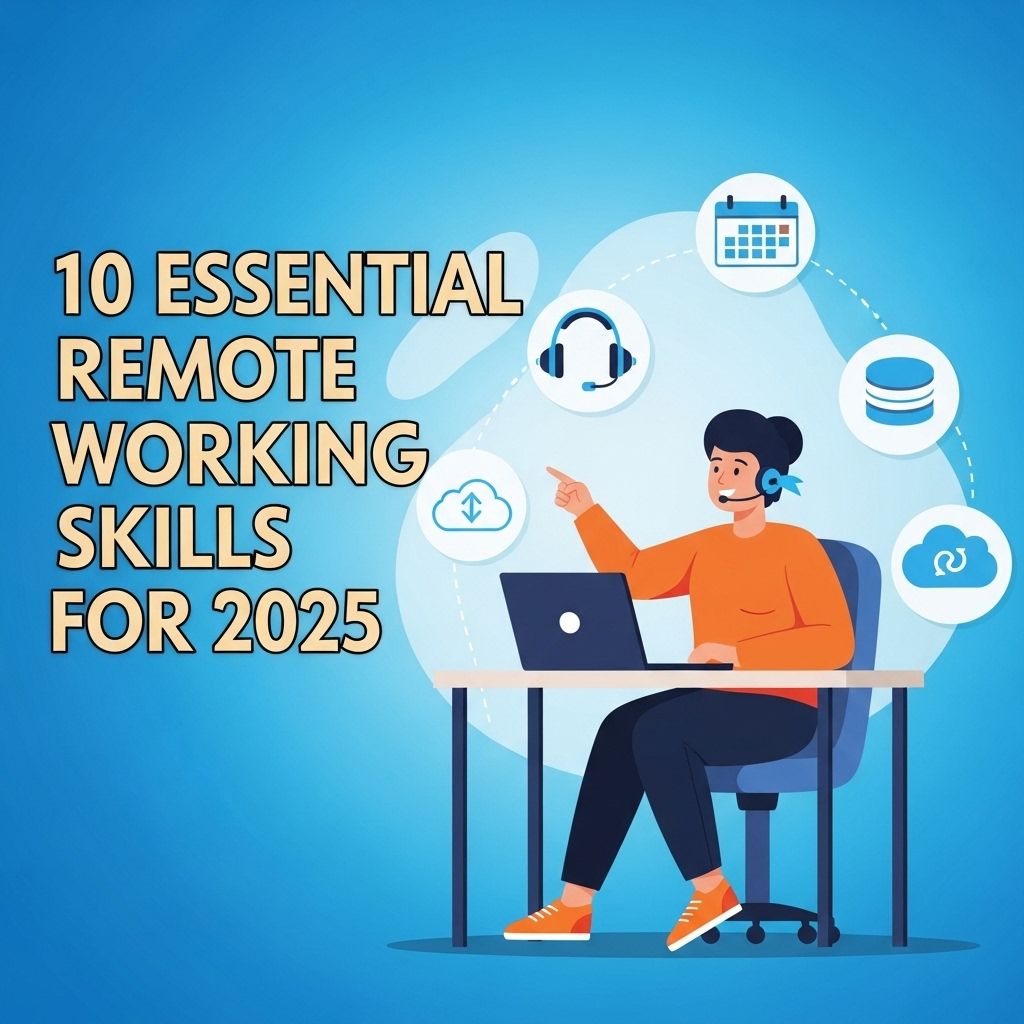
As we continue to adapt to the changing landscape of work in the wake of the global pandemic, it’s become evident that remote work is here to stay. The integration of technology into our daily tasks has transformed how we collaborate, communicate, and achieve productivity from the comfort of our homes. By 2025, the skills required to thrive in a remote working environment will further evolve. In this article, we will explore the ten essential skills that remote workers will need to develop to remain competitive and effective in the modern workforce.
As remote work continues to evolve, mastering key skills will be vital for professionals in 2025. From effective communication to time management and digital literacy, the ability to adapt is crucial in a virtual landscape. To further enhance your projects, consider exploring browse logo mockup templates that can help you present your ideas more effectively.
1. Effective Communication
Communication is the cornerstone of successful remote work. Without the benefit of face-to-face interaction, professionals must master various digital communication tools to convey their ideas clearly and efficiently. This involves:
- Utilizing messaging platforms like Slack or Microsoft Teams
- Conducting video conferences via Zoom or Google Meet
- Cultivating active listening skills to understand feedback and queries
Key Aspects of Effective Communication
- Clarity: Being concise and straightforward
- Empathy: Understanding the emotional context of conversations
- Responsiveness: Timely replies to maintain engagement
2. Time Management
Remote work allows for flexibility, but it also requires strict self-discipline. Effective time management skills are crucial to balancing work responsibilities with personal life. Strategies include:
- Setting a consistent daily schedule
- Utilizing tools like Trello or Asana to prioritize tasks
- Implementing techniques such as the Pomodoro Technique for focused work sessions
Tools for Time Management
| Tool | Purpose | Platform |
|---|---|---|
| Trello | Task organization | Web, iOS, Android |
| Asana | Project management | Web, iOS, Android |
| RescueTime | Time tracking | Web, macOS, Windows |
3. Digital Collaboration
Collaboration tools play a pivotal role in remote work. Familiarity with these tools is essential to facilitate teamwork across distances. Key tools include:
- Google Workspace for document collaboration
- Dropbox for file sharing
- Microsoft OneNote for brainstorming sessions
Building a Collaborative Culture
Engaging in regular team meetings and social check-ins helps to foster a strong team dynamic. Consider setting up:
- Weekly project updates
- Monthly team-building activities
- Virtual lunches or coffee breaks
4. Adaptability
The remote work environment is constantly changing, whether due to new technologies, organizational shifts, or personal circumstances. Being adaptable allows professionals to thrive in uncertainty. This can be achieved by:
- Embracing lifelong learning through online courses
- Staying updated on industry trends and technologies
- Being open to feedback and adjusting approaches accordingly
5. Technical Proficiency
As technology continues to evolve, remote workers must maintain a solid understanding of relevant software and tools. This includes:
- Basic troubleshooting skills
- Familiarity with cloud-based platforms
- Competence in using productivity software
Popular Tools for Remote Workers
| Tool | Function |
|---|---|
| Zoom | Video conferencing |
| Slack | Team communication |
| Notion | Knowledge management |
6. Self-Motivation
In a remote setting, the absence of a structured office environment can lead to decreased motivation. Finding ways to stay motivated is essential for productivity. Techniques include:
- setting personal and professional goals
- Creating a dedicated workspace
- Rewarding oneself after completing tasks
7. Cultural Awareness
As remote teams become more global, cultural awareness becomes increasingly important. Understanding and respecting diverse backgrounds can improve collaboration. Steps to enhance cultural awareness include:
- Participating in diversity training programs
- Learning about colleagues’ cultures and traditions
- Encouraging an inclusive environment
8. Problem-Solving Skills
Remote workers often face unique challenges that require innovative solutions. Developing strong problem-solving skills enables individuals to tackle obstacles effectively. Key aspects include:
- Analyzing situations critically
- Brainstorming alternative solutions
- Implementing solutions and evaluating their effectiveness
9. Emotional Intelligence
Emotional intelligence (EI) is the ability to understand and manage one’s emotions, as well as the emotions of others. In a remote setting, high EI can facilitate better communication and collaboration. To enhance EI:
- Practice self-reflection
- Develop empathy towards colleagues
- Use feedback for personal growth
10. Cybersecurity Awareness
With remote work comes the responsibility of safeguarding sensitive information. Understanding cybersecurity basics is vital for all remote workers. Essential practices include:
- Using strong, unique passwords
- Regularly updating software and systems
- Recognizing phishing attempts and other online threats
Conclusion
The remote work landscape is rapidly evolving, and professionals must evolve with it. By developing these ten essential skills, individuals can enhance their effectiveness and remain competitive in the workforce of 2025. Embracing these skills not only improves personal productivity but also contributes to a more connected and collaborative remote working environment.
FAQ
What are the key remote working skills needed for 2025?
The key remote working skills for 2025 include effective communication, time management, self-discipline, adaptability, tech-savviness, and collaboration.
How can I improve my communication skills for remote work?
Improving communication skills for remote work can be achieved through regular video calls, using collaboration tools, and practicing active listening.
Why is time management important in remote work?
Time management is crucial in remote work to maintain productivity, meet deadlines, and achieve a healthy work-life balance.
What tools can enhance collaboration in remote teams?
Tools such as Slack, Microsoft Teams, Zoom, and Trello can significantly enhance collaboration in remote teams.
How does adaptability play a role in remote work success?
Adaptability allows remote workers to adjust to changing circumstances, technologies, and team dynamics, which is vital for long-term success.
What technology skills will be essential for remote workers in 2025?
Essential technology skills for remote workers in 2025 include proficiency in cloud computing, cybersecurity awareness, and familiarity with project management software.