Top 5 AI Tools for Creative Design You Can’t Miss
Discover the top 5 AI tools that will enhance your creative design process and boost your productivity in 2023.

In the rapidly evolving landscape of creative design, artificial intelligence has emerged as a game changer. Gone are the days when creativity was solely the domain of humans. Today, AI tools are enhancing the creative process, offering designers innovative ways to conceptualize, create, and improve their work. This article delves into the most effective AI tools currently available that can elevate your creative design projects, streamline workflows, and inspire fresh ideas.
In the rapidly evolving landscape of creative design, AI tools have emerged as game-changers, providing innovative solutions to enhance artistic endeavors. From generating unique logos to crafting intricate 3D visuals, these technologies streamline the design process and boost creativity. One valuable resource for designers is the opportunity to download stunning 3D logo designs, which can elevate any brand’s visual identity.
Table of Contents
Understanding AI in Creative Design
AI in creative design refers to the use of artificial intelligence technologies to assist designers in various aspects of their work, from ideation to execution. These tools leverage machine learning algorithms and data analytics to provide insights, automate repetitive tasks, and even generate creative content. Here are some key areas where AI can make a significant impact:
- Ideation: AI tools can suggest design elements based on trends and preferences.
- Automation: Routine tasks such as resizing images or organizing files can be automated to save time.
- Personalization: AI can create tailored designs for specific audiences based on data analysis.
- Collaboration: Many AI tools allow for real-time collaboration among teams, enhancing creativity through diverse inputs.
Top AI Tools for Creative Design
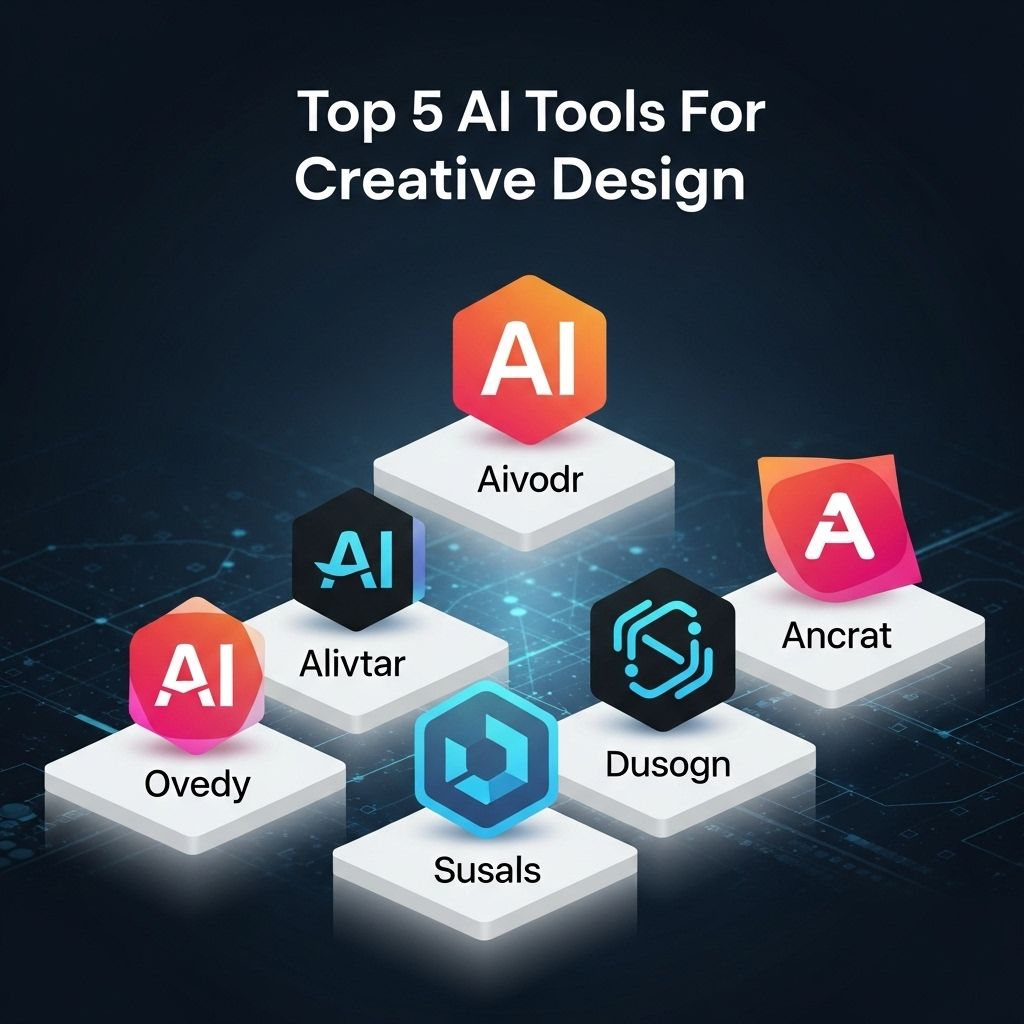
Let’s explore five AI tools that are transforming the realm of creative design:
1. Adobe Sensei
Adobe Sensei is an AI and machine learning framework that powers intelligent features across all Adobe products, including Photoshop, Illustrator, and Adobe XD. Its capabilities are designed to enhance the creative process in the following ways:
- Smart Selection: Automatically selects the most relevant parts of an image.
- Content-Aware Fill: Removes unwanted objects seamlessly from images.
- Auto-Tagging: Tags images with relevant keywords for easier searching and organizing.
2. Canva
Canva is well-known for its user-friendly interface, but its AI features are often overlooked. The platform now incorporates several AI-driven functionalities:
- Magic Resize: Adjusts design sizes with a single click for various platforms.
- Image Enhancement: Automatically improves photo quality based on best practices.
- Brand Kit: Allows users to maintain consistent branding across different designs.
3. Daz 3D
Daz 3D is a powerful tool for creating 3D content quickly and easily. It offers an extensive library of assets and uses AI to facilitate design:
- Pose Generation: AI can generate realistic poses for 3D models based on user inputs.
- Animation Tools: Helps in creating fluid animations without extensive knowledge of 3D software.
4. Runway ML
Runway ML brings advanced machine learning capabilities to creatives by providing a platform to use AI for generating and editing media:
| Feature | Description |
|---|---|
| Text to Image | Generates images based on textual descriptions. |
| Video Editing | Uses AI to automate complex video editing tasks. |
| Style Transfer | Applies artistic styles to images and videos. |
5. DeepArt
DeepArt uses neural networks to transform your photos into artworks based on different artistic styles. This tool is particularly popular among artists and graphic designers looking to add a unique flair to their work:
- Artistic Filters: Apply a wide range of artistic styles to any image.
- High-Quality Outputs: Generates high-resolution images suitable for printing.
Integrating AI Tools into Your Workflow
Adopting AI tools in creative design can initially seem daunting. However, the integration process can be simplified by following these steps:
- Identify Your Needs: Determine which aspects of your workflow could benefit from AI.
- Select the Right Tools: Choose tools that align with your design style and workflow requirements.
- Start Small: Begin by incorporating one or two tools and gradually expand as you become comfortable.
- Training and Practice: Take advantage of tutorials and resources to familiarize yourself with the software.
- Feedback Loop: Collect feedback on how the AI tools are affecting your work and adjust accordingly.
The Future of AI in Creative Design
As AI technology continues to evolve, the potential for creative design applications is vast. Emerging trends that may shape the future include:
- Enhanced Collaboration: AI could facilitate more sophisticated collaborative environments, allowing multiple designers to work seamlessly.
- Custom AI Solutions: Tailored AI tools designed specifically for individual designers or studios could become the norm.
- AI-Generated Content: The line between human-created and machine-generated designs may blur, raising new questions about copyright and ownership.
In conclusion, the integration of AI in creative design is not just a trend but a necessity for those looking to stay competitive in the industry. By leveraging powerful AI tools, designers can push the boundaries of their creativity, streamline their workflows, and produce exceptional work efficiently. Embracing this technology will undoubtedly lead to exciting innovations in design and artistic expression.
FAQ
What are the best AI tools for creative design?
Some of the top AI tools for creative design include Adobe Sensei, Canva, Runway ML, DeepArt, and Artbreeder.
How can AI enhance the creative design process?
AI can enhance the creative design process by automating repetitive tasks, providing design suggestions, generating content, and enabling more personalized design experiences.
Are AI design tools suitable for beginners?
Yes, many AI design tools are user-friendly and designed to cater to both beginners and experienced designers, with intuitive interfaces and helpful tutorials.
Can AI tools replace human designers?
While AI tools can assist and streamline the design process, they are best used as supplements to human creativity rather than replacements, as human designers bring unique insights and emotional understanding.
What industries can benefit from AI in creative design?
Industries such as advertising, fashion, gaming, and marketing can greatly benefit from AI in creative design by producing innovative visuals, improving efficiency, and personalizing user experiences.