Mastering Your Amazon Ad Campaign: Tips for Success
Learn how to run a successful Amazon ad campaign with expert tips and strategies to boost your sales and visibility on the platform.

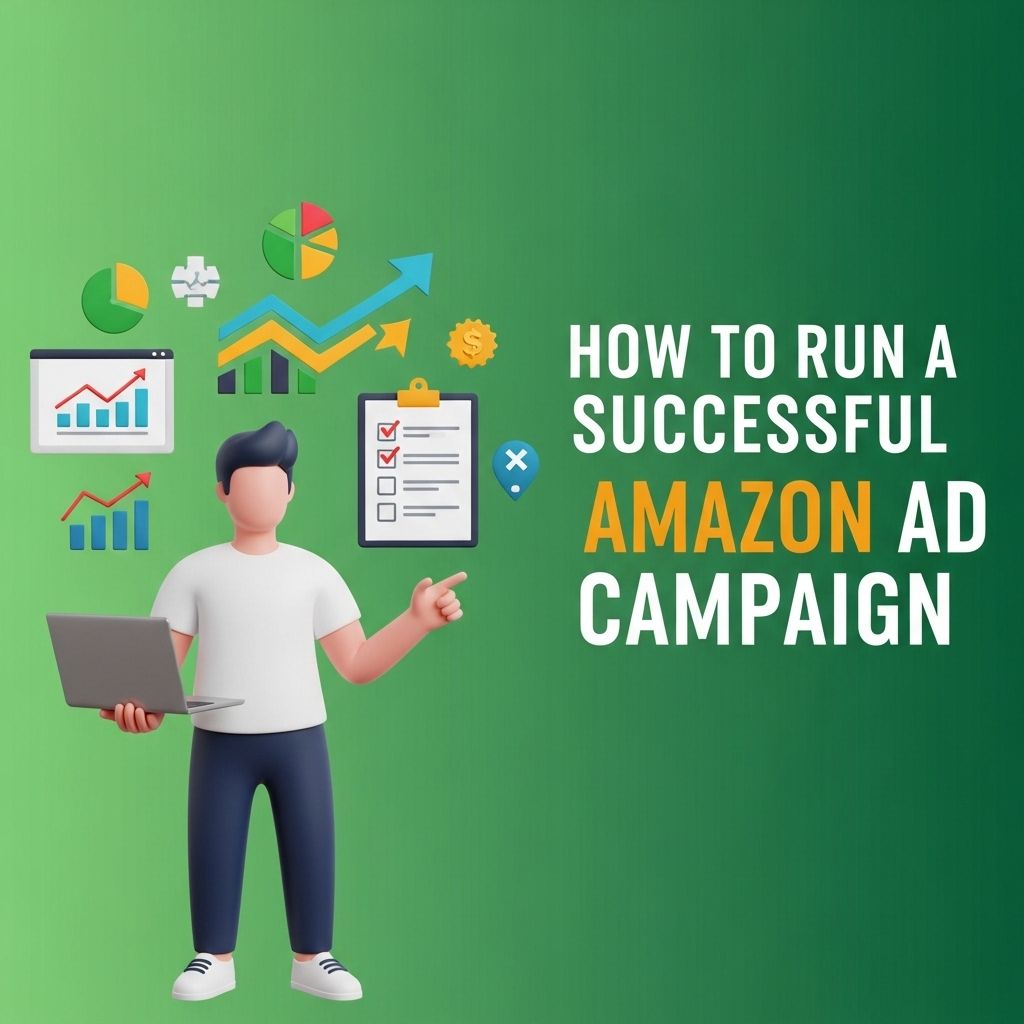
In the ever-evolving landscape of e-commerce, leveraging advertising platforms effectively can propel your products to new heights. Amazon’s advertising solutions have emerged as powerful tools for sellers and brands alike, enabling them to reach their target audience directly. Understanding how to run a successful Amazon ad campaign can make a significant difference in your sales and brand visibility.
Successfully navigating Amazon ad campaigns can be a game-changer for your brand’s visibility and sales. In this guide, we’ll delve into essential tips that can help you optimize your ads, ensuring that your products reach the right audience effectively. As you refine your marketing strategy, you might also want to explore our logo mockup collection to elevate your brand’s presentation.
Table of Contents
Understanding Amazon Advertising
Before diving into campaign strategies, it’s crucial to comprehend the various advertising options Amazon provides. These can be broadly categorized into:
- Sponsored Products: These ads promote individual product listings, increasing their visibility in search results and product detail pages.
- Sponsored Brands: This option allows brands to promote a collection of products, often including a logo and a custom headline.
- Sponsored Display: These ads target audiences based on their shopping behaviors, displaying products to potential customers who have shown interest in related items.
- Amazon DSP (Demand Side Platform): This is a more advanced option for brands looking to programmatically buy ads across Amazon and other sites.
Setting Clear Objectives
Every successful campaign begins with well-defined goals. Consider what you want to achieve through your Amazon advertisements:
- Increase Sales: If your primary focus is driving sales, tailor your strategies to highlight best-selling or new products.
- Enhance Brand Awareness: If brand recognition is your aim, use Sponsored Brands to tell your brand story and showcase multiple products.
- Boost Product Visibility: For products that are not performing as expected, use targeted keywords to increase visibility.
Conducting Thorough Keyword Research
Keywords are the backbone of any advertising campaign on Amazon. Proper keyword research can significantly influence the performance of your ads. Here’s how to do it effectively:
Tools for Keyword Research
Utilize the following tools to discover high-traffic keywords relevant to your products:
- Amazon’s Search Bar: Start typing your product’s name into the search bar and note the auto-suggested phrases.
- Keyword Tool: Tools like Helium 10, Jungle Scout, or MerchantWords can provide extensive lists of relevant keywords.
- Competitor Analysis: Analyze competitor listings and see which keywords they rank for using tools like SEMrush or Ahrefs.
Crafting Compelling Ad Content
Once you have identified your keywords, the next step is crafting captivating ad content. Here’s how to do it:
Writing Effective Product Titles
Your product title should be clear, concise, and keyword-rich. Consider including:
- Brand name
- Product type
- Key features
- Size and quantity
Creating High-Quality Images
Images are crucial for conversion rates. Ensure your product images are:
- High resolution
- Well-lit
- Showing the product from multiple angles
- Featuring lifestyle images when applicable
Writing Persuasive Product Descriptions
Your descriptions should be informative and persuasive, incorporating keywords naturally. Use bullet points to highlight key features and benefits for quick readability.
Setting the Right Budget and Bidding Strategy
Budgeting is a critical component of your Amazon ad campaign. Here’s how to set it effectively:
Determining Your Budget
Consider the following when setting your ad budget:
- Your total advertising budget for the month
- The cost-per-click (CPC) you’re willing to pay
- Expected return on investment (ROI) from the ads
Choosing a Bidding Strategy
Amazon offers several bidding options:
| Bidding Strategy | Description |
|---|---|
| Dynamic bids – down only | Amazon lowers your bid in real-time if they predict your ad won’t perform. |
| Dynamic bids – up and down | Amazon adjusts your bid higher or lower based on the likelihood of a sale. |
| Fixed bids | Your bid remains constant regardless of performance predictions. |
Monitoring and Optimizing Campaign Performance
Once your campaign is live, continuous monitoring is essential. Consider the following metrics to assess performance:
Key Performance Indicators (KPIs)
- Impressions: How many times your ad was displayed.
- Clicks: The number of times your ad was clicked.
- Click-Through Rate (CTR): The percentage of impressions that resulted in a click.
- Conversion Rate: The percentage of clicks that resulted in a sale.
- A Cost of Sale (ACoS): Total ad spend divided by total sales attributed to ads.
Making Data-Driven Decisions
Use the data you gather to make informed adjustments to your campaigns. Here are some strategies:
- Pause underperforming ads: If an ad isn’t generating clicks or sales, consider pausing it to free up budget for more effective campaigns.
- Adjust bids: Increase bids on high-performing keywords and reduce or eliminate bids on those that underperform.
- Refine targeting: If certain demographics are converting better than others, adjust your targeting accordingly.
Conclusion
Running a successful Amazon ad campaign requires a strategic approach, from understanding the available ad types to optimizing based on performance data. By setting clear objectives, conducting thorough research, crafting compelling content, and continuously monitoring your campaigns, you can significantly improve your advertising success on Amazon. Take these insights and apply them to your next campaign, and watch your sales and brand visibility soar.
FAQ
What are the key components of a successful Amazon ad campaign?
The key components include selecting the right keywords, setting an appropriate budget, choosing the right ad type, and continuously optimizing your campaigns based on performance data.
How do I choose the right keywords for my Amazon ads?
Use tools like Amazon’s Keyword Tool or third-party software to identify relevant keywords that your target audience is searching for. Focus on a mix of broad, phrase, and exact match keywords.
What types of Amazon ads should I use for my campaign?
You can choose from Sponsored Products, Sponsored Brands, and Sponsored Display ads. Each serves different purposes, so select based on your campaign goals.
How can I optimize my Amazon ad campaigns for better performance?
Regularly analyze your campaign data to identify trends, adjust bids, pause underperforming keywords, and test different ad creatives to improve engagement.
What is the importance of setting a budget for Amazon ads?
Setting a budget helps control your spending and ensures that you allocate resources effectively to maximize your return on investment (ROI) for the campaign.
How often should I review my Amazon ad campaign performance?
It’s advisable to review your campaign performance at least once a week to make timely adjustments and keep your campaigns aligned with your sales goals.