Kickstart Your Digital Marketing Journey in 2025
Discover essential steps and strategies to effectively start your digital marketing career in 2025.

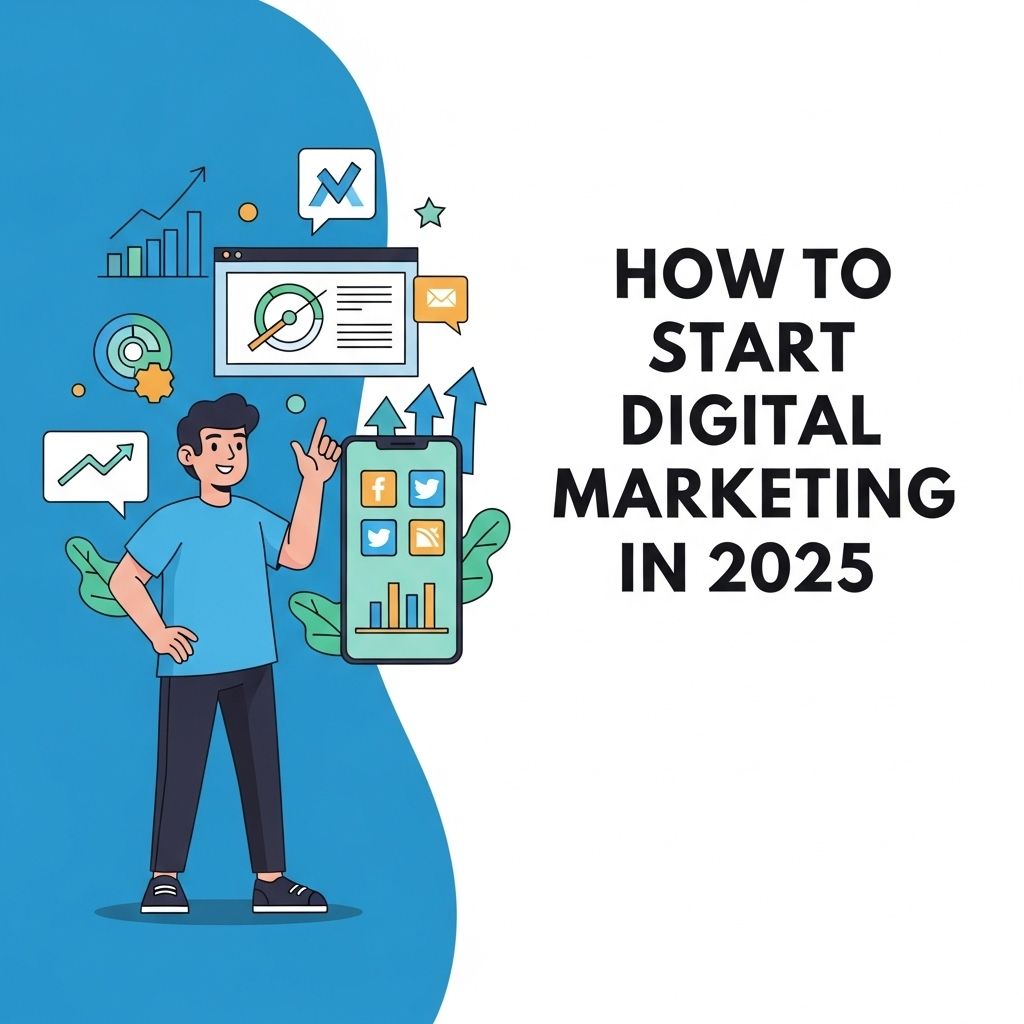
As we approach 2025, digital marketing continues to evolve at a rapid pace, driven by emerging technologies and changing consumer behaviors. For businesses looking to make their mark in the digital landscape, understanding the key components and strategies of effective digital marketing is crucial. This article will delve into the essential steps and considerations for starting a successful digital marketing journey in the coming years.
As we venture into 2025, the landscape of digital marketing continues to evolve, presenting fresh opportunities for creativity and engagement. One effective way to enhance your brand’s visual identity is by utilizing captivating logo mockups. For those looking to make a strong first impression, consider this resource to download stunning logo mockups that can elevate your brand’s appeal.
Table of Contents
Understanding the Digital Marketing Landscape
The first step in launching a digital marketing strategy is to understand the current landscape. Digital marketing encompasses various channels and techniques:
- Search Engine Optimization (SEO): The practice of optimizing your website to rank higher in search engine results.
- Content Marketing: Creating valuable content to attract and engage an audience.
- Social Media Marketing: Using social platforms to connect with your audience and promote your brand.
- Email Marketing: Engaging with potential and existing customers through targeted email campaigns.
- Pay-Per-Click Advertising (PPC): Paid advertising to drive traffic to your website.
- Affiliate Marketing: Partnering with affiliates to extend your reach and drive sales.
Identifying Your Target Audience
Understanding your target audience is a fundamental aspect of digital marketing. It involves identifying the demographics, preferences, and behaviors of your potential customers. Here are key steps to define your audience:
- Market Research: Conduct surveys or use analytics tools to gather data on your audience.
- Create Buyer Personas: Develop detailed profiles that represent your ideal customers.
- Analyze Competitors: Study your competitors to understand their customer base and marketing strategies.
Using Data Analytics
Data analytics is a powerful tool in digital marketing. It helps you make informed decisions based on consumer behavior and engagement metrics. Key analytics tools include:
| Tool | Purpose |
|---|---|
| Google Analytics | Track website traffic and user behavior. |
| SEMrush | SEO and competitor analysis. |
| HubSpot | Inbound marketing and CRM. |
| Hootsuite | Social media management and analytics. |
Building a Strong Online Presence
A robust online presence is vital for digital marketing success. Here are several strategies to establish your brand:
Website Development
Your website is your digital storefront. It should be well-designed, mobile-friendly, and optimized for SEO. Key elements to consider include:
- Responsive design to improve user experience on mobile devices.
- Fast loading times to reduce bounce rates.
- High-quality content that provides value to your visitors.
Creating Compelling Content
Content is king in the digital marketing realm. High-quality, relevant content not only engages your audience but also improves your SEO. Here are content types that can enhance your strategy:
- Blog posts that address industry trends and provide insights.
- Videos that demonstrate your products or services.
- Infographics that visually represent data and concepts.
Leveraging Social Media
Social media platforms play a significant role in digital marketing. They enable brands to connect with their audience, increase visibility, and drive traffic. Popular platforms include:
- Facebook: A versatile platform for targeted advertising.
- Instagram: Visual storytelling through images and videos.
- LinkedIn: A professional network for B2B marketing and networking.
Crafting a Social Media Strategy
To maximize the effectiveness of your social media efforts, consider the following steps:
- Identify the platforms where your audience is most active.
- Develop a content calendar to plan and schedule posts.
- Engage with your audience through comments, messages, and shares.
Implementing Email Marketing
Email marketing remains one of the most cost-effective digital marketing strategies. It allows for personalized communication with your audience. Important aspects of email marketing include:
Building an Email List
Start by creating a subscription form on your website. Incentivize sign-ups with exclusive content or discounts. Maintain a clean email list to ensure high engagement rates.
Segmenting Your Audience
Segment your email list based on user behaviors and preferences. This allows you to send targeted content that resonates with specific groups, increasing the likelihood of conversions.
Pay-Per-Click Advertising
PPC advertising is an effective way to reach a broad audience quickly. Platforms like Google Ads and social media channels offer robust advertising options. Here’s how to effectively launch a PPC campaign:
- Define Your Goals: Identify what you want to achieve with your ads (e.g., traffic, conversions).
- Choose Relevant Keywords: Use keyword research tools to find terms your audience is searching for.
- Monitor and Optimize: Regularly review your campaign performance and make adjustments as needed.
Measuring Success
To determine the effectiveness of your digital marketing efforts, establish key performance indicators (KPIs). Some important KPIs include:
- Website traffic and user engagement metrics.
- Conversion rates from various channels.
- Return on investment (ROI) for your marketing campaigns.
Using A/B Testing
A/B testing allows you to compare two versions of a campaign to see which performs better. This technique can be applied to:
- Email subject lines
- Landing page designs
- Advertisements
Staying Updated with Trends
The digital marketing landscape is constantly changing. To remain relevant, keep an eye on emerging trends such as:
- Artificial Intelligence (AI) in marketing.
- Voice search optimization.
- Augmented and virtual reality experiences.
Embracing these trends can set your digital marketing strategy apart and position your brand as a leader in your industry.
Conclusion
Starting a digital marketing strategy in 2025 requires a blend of creativity, data analysis, and adaptability. By understanding the landscape, identifying your audience, and utilizing various digital channels, you can effectively promote your brand and drive growth. As technology continues to evolve, staying informed and agile will be key to your success in the digital marketing arena.
FAQ
What are the first steps to start digital marketing in 2025?
Begin by defining your goals, understanding your target audience, and choosing the right digital marketing channels that align with your business objectives.
Which digital marketing channels are most effective in 2025?
In 2025, social media marketing, email marketing, content marketing, SEO, and paid advertising remain the most effective channels for reaching and engaging your audience.
How important is social media for digital marketing in 2025?
Social media is crucial in 2025 as it facilitates direct interaction with customers, enhances brand visibility, and helps in building a loyal community around your brand.
What role does SEO play in digital marketing strategies in 2025?
SEO is essential in 2025 for improving organic search visibility, driving traffic to your website, and ensuring that your content reaches the right audience.
How can I measure the success of my digital marketing efforts in 2025?
Use analytics tools to track key performance indicators (KPIs) such as website traffic, conversion rates, engagement metrics, and return on investment (ROI) to measure success.
What skills are essential for a digital marketer in 2025?
Key skills include data analysis, content creation, social media management, SEO expertise, and proficiency in digital marketing tools and technologies.