10 Self-Paced Learning Ideas to Boost Your Skills
Discover 10 creative self-paced learning ideas that can help you enhance your skills effectively and at your own pace.

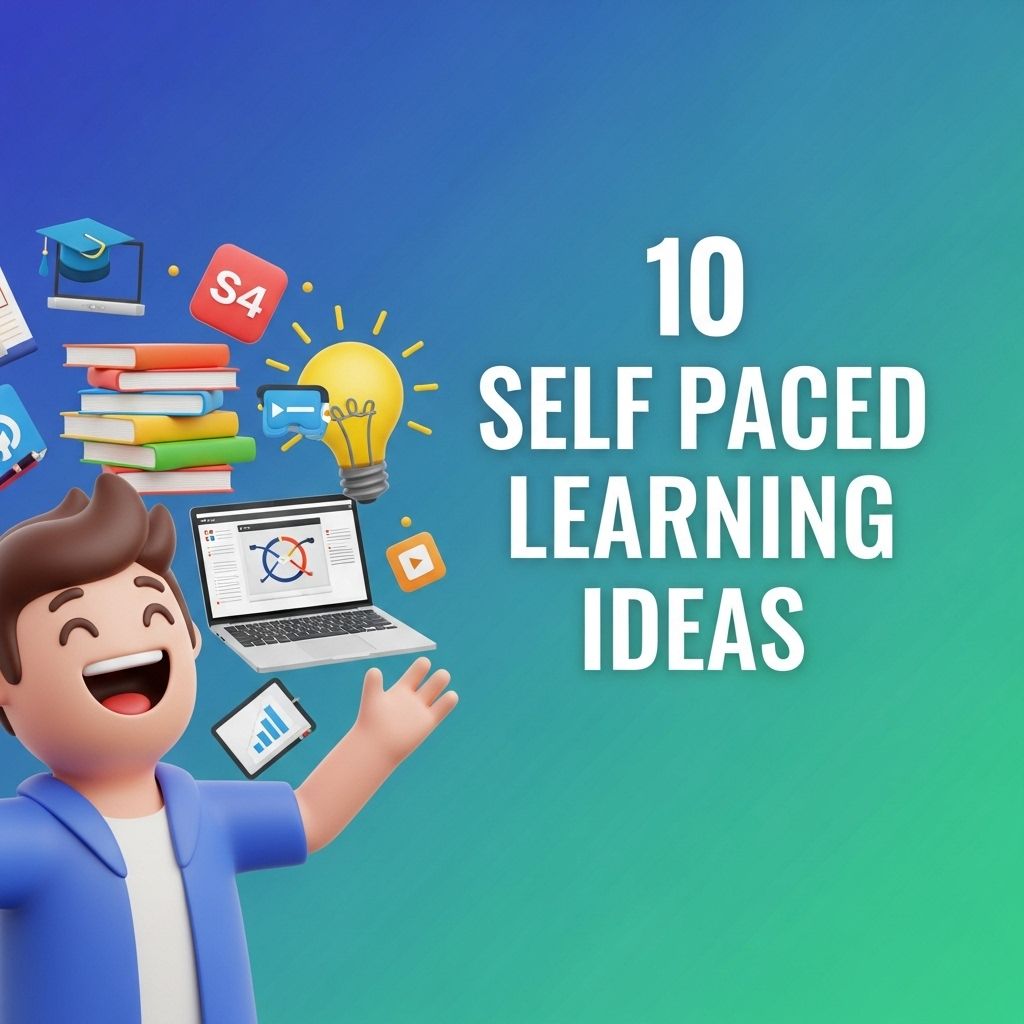
In the fast-paced world of technology, continuous learning is key to staying competitive and relevant. With the right self-paced learning strategies, anyone can enhance their skills, build a robust knowledge base, and adapt to the ever-evolving demands of the industry. Here are ten innovative self-paced learning ideas that can supercharge your skillset.
In today’s fast-paced world, self-paced learning has become essential for skill development and professional growth. From online courses to hands-on projects, there are numerous ways to boost your skills at your own pace. For instance, if you’re looking to enhance your design abilities, you can explore our logo mockup collection to practice and create stunning visuals.
Table of Contents
1. Online Courses and Certifications
One of the most effective ways to learn is through structured online courses. Platforms like Coursera, Udemy, and edX offer a myriad of options covering various topics.
Benefits:
- Structured learning path
- Access to expert instructors
- Often includes certification upon completion
Here’s a quick comparison of popular platforms:
| Platform | Best For | Average Cost |
|---|---|---|
| Coursera | University-level courses | $39-$79/month |
| Udemy | Skill-based learning | $10-$200/course |
| edX | Top-tier universities | Free-$300/course |
2. Podcasts and Audiobooks
For those who prefer auditory learning, podcasts and audiobooks are an excellent way to absorb information while multitasking. Consider subscribing to technology-focused podcasts or audiobooks.
Recommendations:
- How I Built This: Inspiring stories of entrepreneurs.
- The Tim Ferriss Show: Tips and tricks from high performers.
- Masters of Scale: Insights from successful business leaders.
3. YouTube Tutorials
YouTube is a treasure trove of tutorials on virtually every subject imaginable, making it a fantastic resource for visual learners. Channels dedicated to tech, coding, and design can provide hands-on guidance.
Popular Channels:
- Traversy Media: Web development tutorials.
- FreeCodeCamp: Coding lessons and projects.
- DesignCourse: Graphic design and UX tutorials.
4. Blogs and Online Articles
Reading blogs and articles written by experts in your field can keep you updated on the latest trends while deepening your understanding of specific topics.
Top Tech Blogs:
- TechCrunch: Industry news and analysis.
- Smashing Magazine: Web design and development insights.
- Medium: Diverse perspectives from various authors.
5. Interactive Coding Platforms
If you’re looking to learn programming, interactive platforms like Codecademy and LeetCode offer hands-on coding practice in a gamified format, making learning engaging.
Features:
- Real-time coding challenges
- Feedback on your code
- Community discussions
6. Virtual Workshops and Webinars
Many organizations and experts host online workshops and webinars that provide a focused learning experience. These sessions often allow for interaction with instructors.
How to Find Them:
- Check platforms like Eventbrite or Meetup.
- Follow industry leaders on social media.
- Subscribe to newsletters for updates.
7. Join Online Communities
Engaging with like-minded individuals can enhance your learning experience. Communities such as Reddit, Stack Overflow, and Discord servers can provide support, feedback, and resources.
Benefits of Participation:
- Networking opportunities
- Sharing of resources and experiences
- Access to mentorship
8. Reading Research Papers
Diving into academic research papers can provide in-depth knowledge on cutting-edge topics. Websites like Google Scholar and ResearchGate make finding papers easy.
Tips for Reading Research Papers:
- Start with the abstract and conclusion.
- Take notes on key points.
- Discuss findings with peers for better retention.
9. Experiment with Personal Projects
One of the best ways to solidify your learning is through practical application. Start personal projects that align with your interests, whether it’s creating an app or designing a website.
Project Ideas:
- Build a personal portfolio website.
- Create a simple mobile application.
- Contribute to open-source projects.
10. Set Learning Goals
Having clear, achievable goals can keep you motivated. Use the SMART criteria (Specific, Measurable, Achievable, Relevant, Time-bound) to outline your learning objectives.
Example SMART Goals:
- Complete a data science course in 3 months.
- Build a web app by the end of the year.
- Read one industry-related book per month.
By implementing these self-paced learning ideas, you can take control of your professional development and ensure you remain at the forefront of your field. Continuous learning not only enhances your skills but also opens up new opportunities for career advancement and personal growth.
FAQ
What are self-paced learning ideas?
Self-paced learning ideas are strategies and methods that allow individuals to learn at their own speed, tailoring their educational experience to fit their personal needs and schedules.
How can I boost my skills through self-paced learning?
You can boost your skills through self-paced learning by exploring online courses, reading books, engaging in hands-on projects, utilizing educational apps, participating in webinars, and joining online discussion forums.
What are some effective online platforms for self-paced learning?
Some effective online platforms for self-paced learning include Coursera, Udemy, LinkedIn Learning, Khan Academy, and edX, which offer a wide range of courses across various subjects.
Can self-paced learning help in career advancement?
Yes, self-paced learning can significantly help in career advancement by allowing you to acquire new skills and knowledge that are relevant to your field, making you a more competitive candidate for promotions and job opportunities.
What are the benefits of self-paced learning?
The benefits of self-paced learning include flexibility, personalized learning experiences, the ability to revisit complex topics, and the opportunity to balance learning with work and personal commitments.
How do I stay motivated while learning at my own pace?
To stay motivated while learning at your own pace, set specific goals, create a study schedule, track your progress, reward yourself for achievements, and engage with a community of learners for support.