5 Powerful Steps to Master Self-Directed Learning
Discover 5 powerful steps to enhance your self-directed learning journey and unlock your full potential.

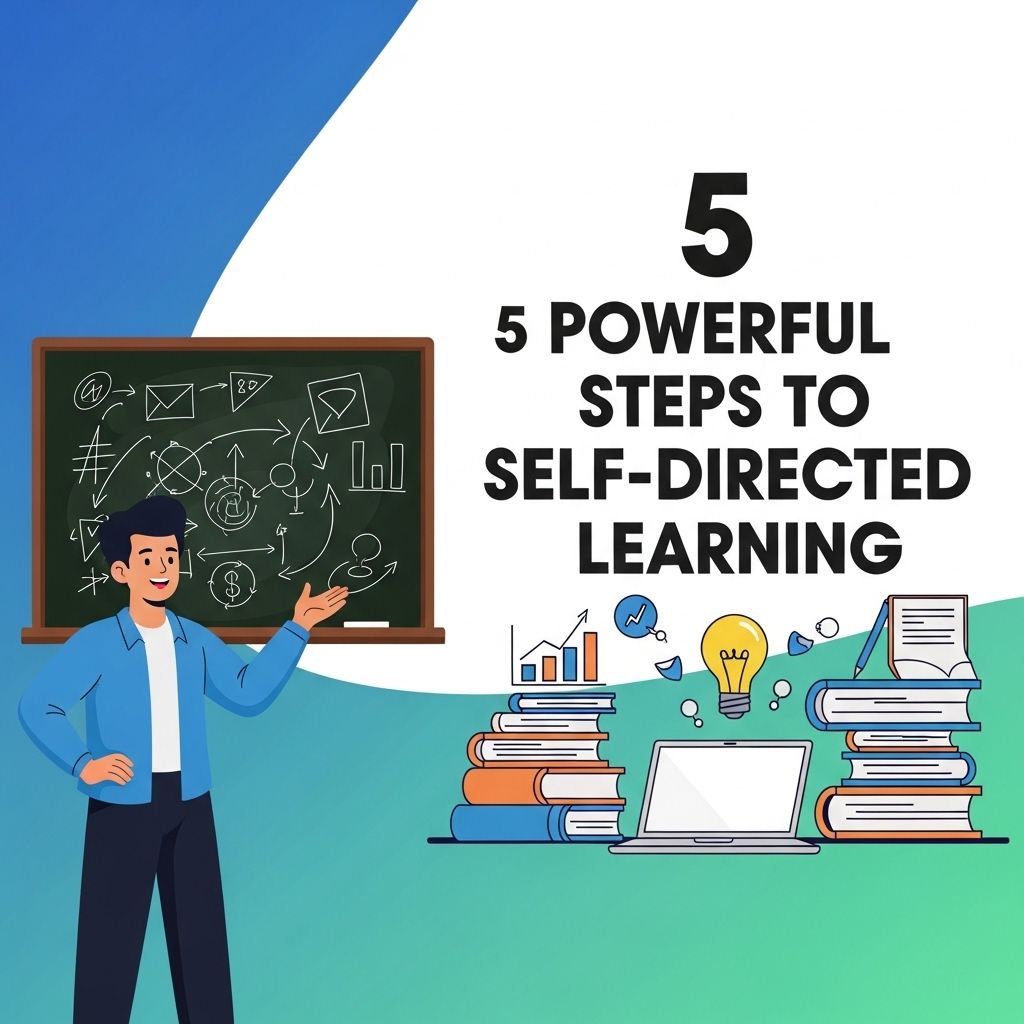
In today’s fast-paced technological landscape, the ability to learn independently has become an invaluable skill. Self-directed learning empowers individuals to take control of their educational journeys, adapting to new challenges and opportunities with agility. Whether you are a student looking to supplement your studies, a professional aiming to upgrade your skills, or simply a curious learner, mastering the art of self-directed learning can unlock unprecedented opportunities for growth and development.
Self-directed learning is an essential skill in today’s rapidly evolving world, empowering individuals to take control of their educational journeys. By following five powerful steps, anyone can cultivate the ability to learn independently and effectively. For a practical example, learn how to use logo mockups effectively as a way to enhance your creative projects.
Table of Contents
Understanding Self-Directed Learning
Self-directed learning (SDL) is an approach where individuals take the initiative in diagnosing their learning needs, formulating goals, identifying resources, and evaluating their progress. This method contrasts with traditional education, where the instructor often dictates the learning process. Self-directed learners are proactive, motivated, and equipped with the skills necessary to pursue knowledge on their own terms.
The Key Characteristics of Self-Directed Learners
- Autonomy: They take charge of their own learning process.
- Intrinsic Motivation: They are driven by personal interests and goals.
- Goal Setting: They establish clear objectives to guide their learning.
- Resourcefulness: They identify and utilize various learning resources.
- Self-Evaluation: They assess their progress and adjust their strategies accordingly.
Step 1: Identify Your Learning Goals
The first step in your self-directed learning journey is to identify what you want to achieve. Setting clear and specific learning goals provides direction and motivation. Consider the following questions:
- What skills do you want to develop?
- Are there specific topics you want to explore?
- How will achieving these goals benefit you?
Once you’ve answered these questions, write down your goals. This not only crystallizes your intentions but also serves as a motivational tool throughout your learning journey.
Step 2: Research Learning Resources
In the digital age, resources for self-directed learning are plentiful. Here’s how you can gather effective learning materials:
Types of Learning Resources
| Resource Type | Description |
|---|---|
| Online Courses | Platforms like Coursera, Udemy, and edX offer structured courses on a variety of topics. |
| Books | Reading both textbooks and popular literature on your subject can deepen your understanding. |
| Podcasts | Listening to experts discuss relevant topics can provide new insights and perspectives. |
| Videos & Tutorials | Platforms like YouTube host countless educational videos and how-tos on almost any subject. |
| Forums & Communities | Engaging with online communities can provide support and additional resources. |
Make a list of resources that align with your learning goals. Don’t hesitate to explore multiple formats to find what works best for you.
Step 3: Create a Learning Plan
A learning plan serves as a roadmap for your self-education. It should outline what you intend to learn, how you will learn it, and a timeline for achieving your goals. Follow these steps to create an effective plan:
Components of a Learning Plan
- Learning Objectives: Define what you want to learn in clear terms.
- Timeframe: Set realistic deadlines for each objective.
- Methods: Decide how you will learn (e.g., reading, watching videos, hands-on practice).
- Assessment: Plan how you will evaluate your understanding of the subject matter.
With your learning plan in place, you can systematically approach your learning while maintaining flexibility to adjust as needed.
Step 4: Implement and Engage with the Content
With your goals set, resources gathered, and plan ready, it’s time to dive into your learning. Here are some strategies to enhance your engagement:
Active Learning Techniques
- Take Notes: Summarize key points in your own words to reinforce learning.
- Practice: Apply what you learn through exercises, projects, or discussions.
- Teach Others: Sharing knowledge with peers can reinforce your understanding.
- Reflect: Regularly review what you’ve learned to enhance retention.
Active engagement with the learning material enhances retention and improves comprehension. Remember, the more actively you participate, the more effective your learning will be.
Step 5: Reflect and Adjust Your Learning Strategies
Self-directed learning is not a linear process. Regular reflection is crucial for assessing progress and making necessary adjustments. Consider using the following approaches:
Reflection Techniques
- Journaling: Write down your thoughts, progress, and any challenges encountered along the way.
- Feedback: Seek feedback from peers or mentors to gain external perspectives on your learning.
- Self-Assessment: Periodically evaluate your performance against your goals.
Self-reflection will help you recognize areas of strength and where improvements are needed. Adjust your learning strategies accordingly to stay on track.
Conclusion
Embracing self-directed learning is a powerful step toward personal and professional growth. By following these five steps—identifying your learning goals, researching resources, creating a learning plan, engaging with content, and reflecting on your progress—you can take control of your educational journey. In a world where change is the only constant, developing the ability to learn independently will serve you well throughout your life. So take the first step, and unlock your potential for lifelong learning today!
FAQ
What is self-directed learning?
Self-directed learning is an educational approach where individuals take the initiative to identify their learning needs, set goals, find resources, and evaluate their progress without relying solely on traditional classroom structures.
What are the benefits of self-directed learning?
Self-directed learning promotes critical thinking, enhances problem-solving skills, fosters independence, and encourages lifelong learning, allowing individuals to tailor their education to their personal interests and career goals.
How can I effectively set goals for self-directed learning?
To set effective goals, use the SMART criteria: make them Specific, Measurable, Achievable, Relevant, and Time-bound. This approach helps clarify your objectives and track your progress.
What resources can I use for self-directed learning?
Various resources are available for self-directed learning, including online courses, educational videos, podcasts, books, and forums. Websites like Coursera, Khan Academy, and YouTube offer a wealth of information.
How do I evaluate my progress in self-directed learning?
You can evaluate your progress by setting milestones, reflecting on what you’ve learned, taking assessments, and seeking feedback from peers or mentors to ensure you’re meeting your learning goals.