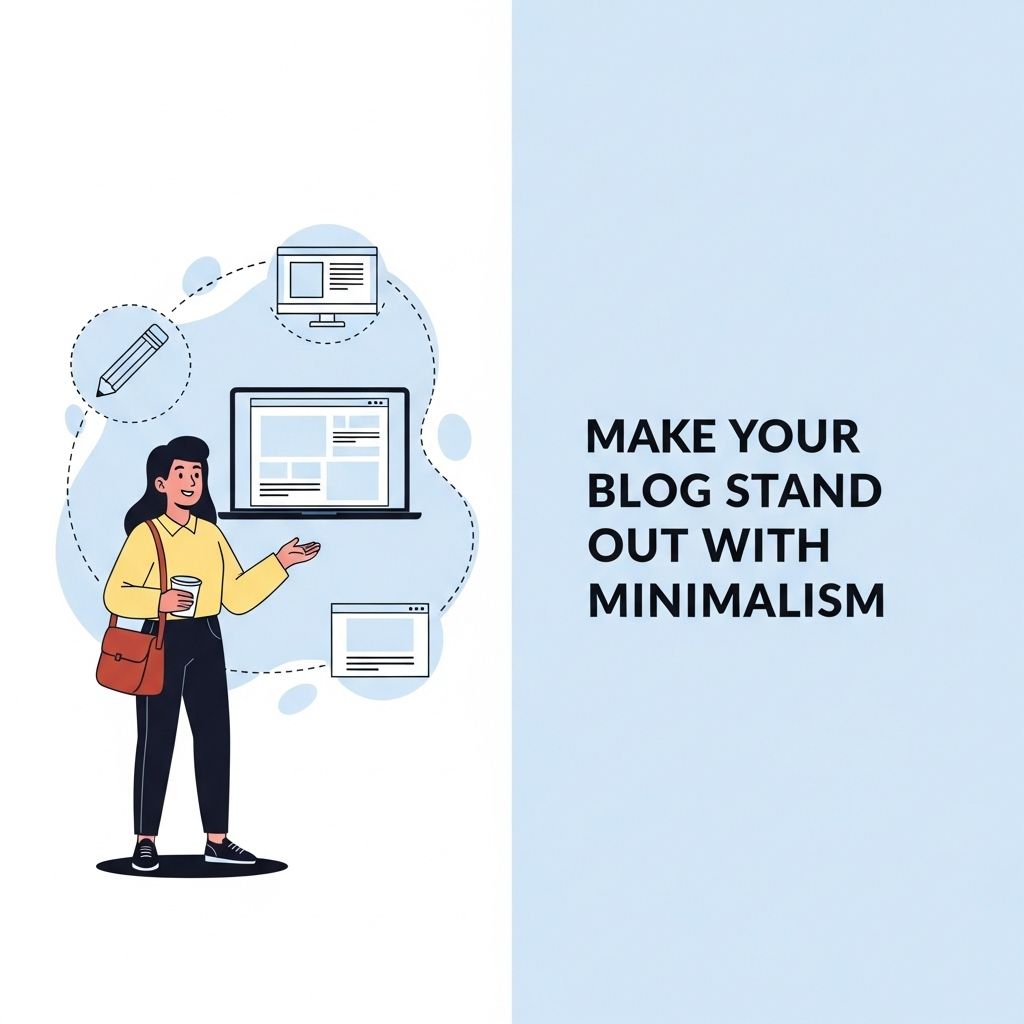
Make Your Blog Stand Out With Minimalism
Discover how minimalism can elevate your blog's design and content, making it more engaging and visually appealing for your audience.

In the digital age, where distractions abound and attention spans are short, creating a blog that captures and retains reader interest is paramount. Embracing minimalism can be a game-changer for bloggers looking to differentiate themselves in a crowded online space. This design philosophy, which emphasizes simplicity and clarity, can lead to a more engaging and user-friendly experience. In this article, we’ll explore how to implement minimalism in your blog effectively, focusing on design elements, content strategy, and user experience.
In a world saturated with content, adopting a minimalist approach can help your blog stand out. By focusing on clean design and essential elements, you create an inviting space for readers to engage with your thoughts. To enhance your visual appeal, consider exploring options like a simple yet effective logo; you can explore our logo mockup collection for inspiration.
Table of Contents
Understanding Minimalism in Blogging
Minimalism is more than just a design trend; it’s a lifestyle choice that prioritizes function over form. In blogging, minimalism means stripping away the unnecessary elements that can overwhelm readers, allowing your content to shine through. Here are some key principles of minimalist design:
- Clarity: Each element on your blog should serve a purpose. Clutter can dilute your message.
- White Space: Effective use of white space can guide readers’ attention and provide breathing room for content.
- Typography: Choosing the right font and size ensures readability and enhances the aesthetic without distraction.
- Imagery: Use images sparingly and ensure they complement rather than overpower your text.
Designing a Minimalist Blog
To create a minimalist blog, consider the following design elements:
1. Color Palette
A limited color palette can streamline your blog’s appearance. Consider hues that evoke the right emotions while remaining easy on the eyes.
| Color | Emotion |
|---|---|
| White | Purity, Simplicity |
| Black | Elegance, Sophistication |
| Grey | Neutrality, Calmness |
| Pastels | Softness, Approachability |
2. Layout
Choose a layout that is clean and intuitive. A single-column layout is often preferred in minimalist designs as it keeps the focus on the content. Consider the following:
- Use a simple navigation menu.
- Incorporate clear headings and subheadings.
- Limit the number of buttons and calls to action.
3. Typography
Select fonts that not only reflect your brand but also ensure readability. Pair a sans-serif font for headings with a serif font for body text. Here are some font combinations to consider:
- Heading: Montserrat | Body: Merriweather
- Heading: Lato | Body: Georgia
- Heading: Raleway | Body: Open Sans
Crafting Minimalist Content
The way you present your content is as crucial as how your blog looks. Here are strategies to create minimalist content:
1. Focus on Clarity and Brevity
Readers appreciate concise content that gets to the point. Aim to:
- Use short paragraphs and sentences.
- Limit jargon and complex language.
- Emphasize key points using bullet lists or numbered lists.
2. Visual Elements
While images can enhance your blog, use them judiciously. Consider the following:
- Include only high-quality images relevant to the content.
- Use infographics to simplify complex information.
- Ensure that any videos or audio do not overwhelm the text.
3. Call to Action
A clear and compelling call to action (CTA) is essential, but it should be unobtrusive. Possible CTAs include:
- Encouraging comments and discussions.
- Linking to related articles or resources.
- Subscribing to a newsletter without pop-ups.
Enhancing User Experience
Creating a minimalist blog isn’t just about aesthetics; it’s also about enhancing the overall user experience. Here are some tips:
1. Optimize for Speed
A minimalist design can help improve loading times, but consider the following:
- Optimize images for the web.
- Minimize the use of heavy scripts and plugins.
- Utilize caching solutions for faster performance.
2. Mobile Responsiveness
With more readers accessing blogs on mobile devices, ensure that your minimalist design is mobile-friendly. Key considerations include:
- Responsive layouts that adapt to screen sizes.
- Touch-friendly navigation elements.
- Readable font sizes on smaller screens.
3. Accessibility
Ensure your blog is accessible to all users, including those with disabilities. Implement these practices:
- Use alternative text for images.
- Ensure sufficient contrast between text and background.
- Provide keyboard navigation options.
Conclusion
Embracing minimalism in your blog can significantly enhance its appeal and functionality. By focusing on clarity, effective design, and a great user experience, your blog can stand out amidst the noise of the internet. Whether you’re starting from scratch or looking to refresh your existing blog, taking a minimalist approach can lead to a more engaging and satisfying reading experience for your audience.
FAQ
What is minimalism in blogging?
Minimalism in blogging refers to a design and content approach that emphasizes simplicity, focusing on essential elements to enhance user experience.
How can I apply minimalism to my blog design?
You can apply minimalism to your blog design by using a clean layout, limiting color palettes, and reducing clutter to highlight key content.
What are the benefits of a minimalist blog?
A minimalist blog can improve readability, increase user engagement, and enhance load times, leading to better SEO performance.
How do I create minimalist content for my blog?
To create minimalist content, focus on concise writing, eliminate unnecessary words, and use visuals that support your message without overwhelming the reader.
Can minimalism improve my blog’s SEO?
Yes, a minimalist approach can improve SEO by increasing page speed, reducing bounce rates, and making it easier for users to navigate your blog.
What tools can help me achieve a minimalist blog?
Tools like clean themes, simple graphics software, and content management systems that prioritize minimalism can help you create a streamlined blog.