Mastering Natural Light: Tips for Stunning Photography
Discover essential tips on how to use natural light effectively for breathtaking photography in any setting.

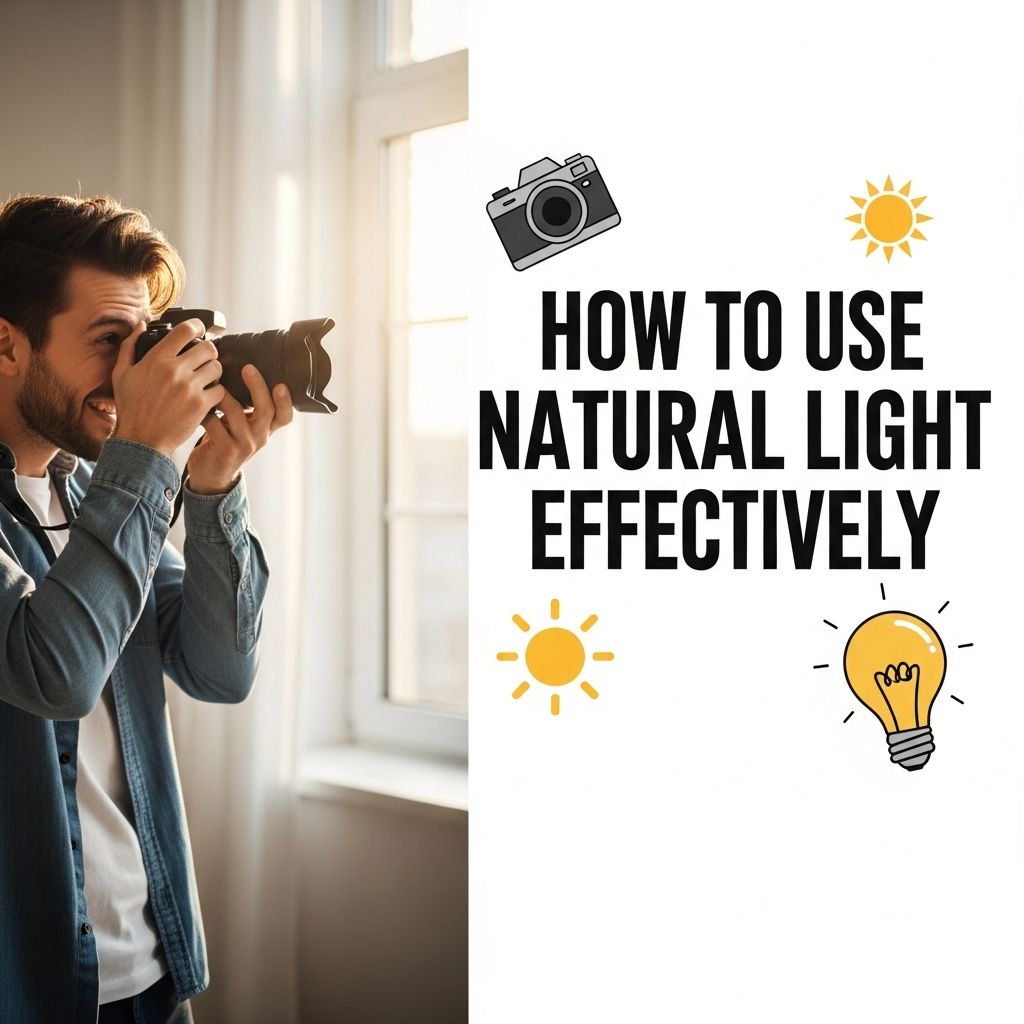
In the realm of photography and videography, natural light stands as a potent tool that can dramatically enhance the quality of your work. Whether you are capturing the serene beauty of a landscape or the intimate details of a portrait, understanding how to effectively utilize natural light can elevate your imagery to new heights. This guide explores the nuances of natural light, offering insights and techniques to help you harness its potential.
Mastering natural light is essential for achieving stunning photography, as it can dramatically enhance the mood and depth of your images. By understanding the characteristics of light throughout the day, photographers can capture the beauty of their subjects in unique ways. For those seeking inspiration, check out some discover unique logo mockup ideas to ignite your creativity.
Table of Contents
Understanding Natural Light
Natural light is the illumination provided by the sun, moon, and stars. Unlike artificial lighting, which can be manipulated in numerous ways, natural light is subject to the whims of the weather and the time of day. Here are some key characteristics:
- Quality: Natural light can be soft and diffused or harsh and direct, depending on the time of day and atmospheric conditions.
- Direction: The angle of sunlight changes throughout the day, influencing shadows and highlights in your images.
- Color Temperature: Different times of day create variations in color temperature, affecting the mood and feel of the photographs.
Best Times for Natural Light Photography
Natural light can be classified into several types depending on the time of day, each offering unique opportunities:
Golden Hour
The golden hour occurs shortly after sunrise and before sunset. During this time, the sun is low on the horizon, casting warm, golden hues that are flattering for portraits and landscapes alike.
Blue Hour
The blue hour takes place right before sunrise and after sunset. The sky takes on a deep blue hue, perfect for dramatic cityscapes and twilight scenes.
Midday Sun
While the midday sun can create harsh shadows and blown highlights, it can also be used creatively:
- Experiment with silhouettes by shooting against the sun.
- Use reflectors to bounce light and fill in shadows.
- Seek shade to soften the light.
Techniques to Optimize Natural Light
To make the most out of natural light, here are some effective techniques:
1. Use Reflectors
Reflectors can help direct light onto your subject, reducing harsh shadows and adding warmth. They come in various colors, including:
| Color | Effect |
|---|---|
| Silver | Produces a strong, direct reflection. |
| Gold | Adds warmth and richness. |
| White | Softens and diffuses light. |
| Black | Absorbs light, creating shadows. |
2. Find Natural Diffusers
Cloudy days can act as natural diffusers, softening the light and creating even illumination. Additionally, you can use objects like curtains or sheer fabrics to diffuse harsh sunlight when shooting indoors.
3. Understand Exposure Settings
Mastering your camera settings is crucial when working with natural light. Keep these tips in mind:
- Aperture: A wider aperture (like f/2.8) allows more light in and creates a shallow depth of field.
- Shutter Speed: Make sure your shutter speed is fast enough to avoid motion blur. A good rule of thumb is to use a speed that is at least equal to the focal length of your lens.
- ISO: Use the lowest possible ISO to reduce noise, but don’t hesitate to increase it when necessary to achieve proper exposure.
Creative Uses of Natural Light
Natural light can be used creatively to convey emotion and atmosphere. Here are some ideas:
Backlighting
Shooting with the sun behind your subject can create beautiful halo effects, enhancing the mood of the photograph. This technique is especially effective for portraits and nature photography.
Silhouettes
Create striking silhouettes by photographing subjects against a bright background. This technique emphasizes shapes and outlines, often leading to dramatic images.
Using Shadows
Play with shadows cast by your subject or surrounding objects. Shadows can add depth and intrigue, transforming a simple image into something compelling.
Challenges of Natural Light
While natural light can be beneficial, it also presents its own challenges:
1. Unpredictability
The weather can change rapidly, impacting the availability and quality of light. Always be prepared for sudden shifts.
2. Limited Control
Unlike artificial lights, you have less control over natural light. However, learning how to work with it effectively can lead to stunning results.
Final Thoughts
Using natural light effectively requires practice and experimentation. The more you familiarize yourself with its characteristics and how it interacts with your subjects, the better your photographic results will be. Remember to observe the light throughout the day and be prepared to adapt your techniques according to the changing conditions. With these tips, you’ll be well on your way to mastering the art of natural light photography.
FAQ
What is the natural light effect in photography?
The natural light effect in photography refers to the use of sunlight as the primary light source to illuminate subjects, creating soft and dynamic images.
How can I find the best natural light for my photos?
The best natural light for photography is often found during the golden hour, which is shortly after sunrise or before sunset, when the light is softer and warmer.
What are some tips for using natural light indoors?
To use natural light effectively indoors, position your subject near windows, utilize sheer curtains to diffuse harsh sunlight, and avoid direct overhead lighting.
How do I balance natural light with artificial light?
To balance natural light with artificial light, use a white balance setting that matches the color temperature of the light sources, and adjust the intensity of artificial lights to complement the natural light.
Can I use natural light on cloudy days?
Yes, cloudy days provide soft, diffused light, which can enhance the mood of your photos and reduce harsh shadows.
What equipment do I need to use natural light effectively?
While no special equipment is necessary, reflectors and diffusers can help manipulate natural light, and a tripod can stabilize your camera for longer exposures.