Mastering Facebook Ads Targeting: A Complete Guide
Unlock the secrets to effective Facebook Ads targeting with our comprehensive guide. Learn strategies to reach your ideal audience and boost conversions.
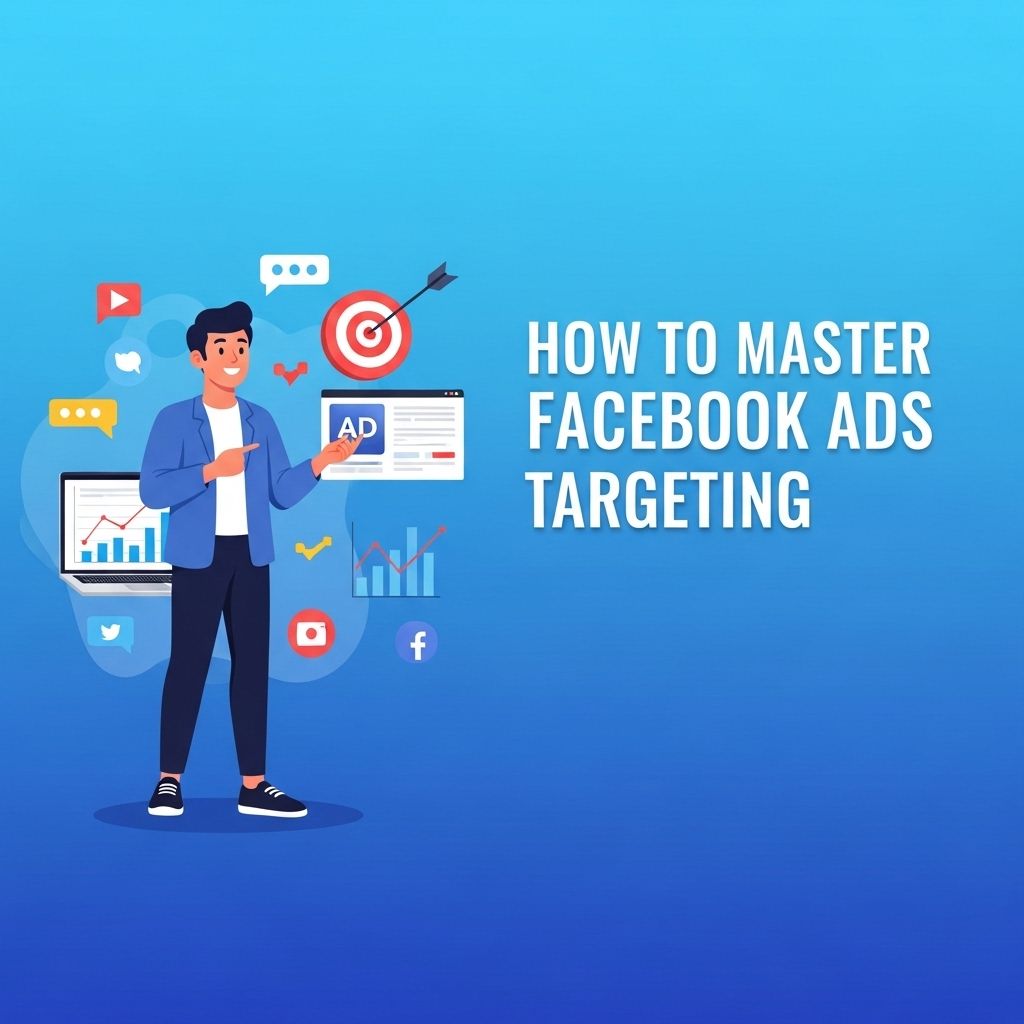
In the ever-evolving landscape of digital marketing, mastering Facebook Ads targeting has become a crucial skill for businesses seeking to reach their desired audience effectively. Facebook’s extensive user data allows for highly granular targeting, enabling marketers to refine their campaigns to reach the most relevant users. This article will delve into advanced strategies, tips, and tools to optimize your Facebook Ads targeting and enhance campaign performance.
Mastering Facebook Ads targeting is essential for achieving optimal results in your marketing campaigns. In this complete guide, we’ll explore various strategies and techniques that will help you reach your desired audience effectively. For those looking to elevate their branding, check out these discover unique logo mockup ideas.
Understanding Facebook’s Targeting Options
Facebook provides a versatile array of targeting options that can be categorized into several main types:
- Demographic Targeting: This includes age, gender, education level, and relationship status. Understanding your audience’s demographics can help tailor your ads effectively.
- Interests Targeting: Users’ activities, hobbies, and interests provide a wealth of targeting opportunities. For instance, if you’re selling running shoes, you might target users interested in fitness, health apps, or running clubs.
- Behavioral Targeting: This focuses on users’ purchasing behaviors, device usage, and travel habits. Using this data can help you target users who are more likely to engage with your brand.
- Custom Audiences: You can create custom audiences based on your customer data, website visitors, or app users, allowing for highly targeted retargeting campaigns.
- Lookalike Audiences: Once you’ve established a Custom Audience, you can create Lookalike Audiences to find new users who share similar characteristics with your existing customers.
Utilizing Demographic Targeting Effectively
Demographic targeting allows advertisers to hone in on specific groups. However, it is essential to understand the demographics of your ideal customer.
- Research Your Target Audience: Utilize tools such as Facebook Audience Insights to gather data about your potential customers.
- Segment Your Audience: Create different ads for different demographics to ensure relevance and increase engagement.
- A/B Test Different Demographics: Experiment with various age groups, genders, and locations to find the best-performing segments.
Enhancing Ad Relevance with Interest Targeting
Interest targeting is a powerful tool that allows advertisers to connect with users based on their preferences and hobbies. Here are some strategies to enhance your interest targeting:
Best Practices for Interest Targeting
| Strategy | Description |
|---|---|
| Layering Interests | Combine multiple interests to narrow down your audience further. For instance, target users interested in both healthy eating and fitness. |
| Utilize Excluded Interests | Eliminate audiences that may be interested in similar categories but are not your target market. |
| Explore Related Interests | Use Facebook’s suggestions for related interests when selecting your targets for a more comprehensive reach. |
Behavioral Targeting: The Key to Conversion
Behavioral targeting can significantly improve your ad performance by reaching potential customers based on their online actions. Here’s how to leverage this:
Implementing Behavioral Targeting Strategies
- Target Recent Buyers: Focus on users who have recently purchased similar products or services.
- Device Targeting: Consider the devices your audience uses and adjust your ads accordingly. Mobile users might prefer different ad formats compared to desktop users.
- Travel Behavior: If you’re in the hospitality industry, target users based on their travel history or planning.
Creating Effective Custom and Lookalike Audiences
Custom and Lookalike Audiences allow you to tap into your existing customer base and find new prospects. Here’s how to maximize these options:
Steps to Create Custom Audiences
- Upload Customer Lists: Use your existing customer email lists to create a Custom Audience.
- Website Traffic: Use the Facebook Pixel to retarget users who have visited your website.
- Engagement Audiences: Target users who have engaged with your content on Facebook or Instagram.
Building Lookalike Audiences
Building Lookalike Audiences is straightforward:
- Select a Source Audience: Choose a Custom Audience as your source.
- Define Audience Size: Facebook will allow you to choose a percentage of the population that closely resembles your source audience (1% being the closest match).
- A/B Test Your Lookalike Audiences: Test different Lookalike sizes and source audiences to achieve optimal performance.
Monitoring and Adjusting Your Campaigns
Once your ads are live, continuous monitoring and adjustment are essential for success. Here are practical steps to do this:
Key Metrics to Track
- Click-Through Rate (CTR): A high CTR indicates effective targeting.
- Conversion Rate: Monitor how many clicks lead to desired actions, like purchases or sign-ups.
- Cost Per Acquisition (CPA): Analyze how much you are spending to acquire a customer to ensure your ads remain profitable.
Adjusting Your Targeting
If your ads are underperforming, consider the following:
- Refine Audience Segments: Narrow down your audience further based on data analysis.
- Test New Creative: Sometimes the ad creative itself may hinder performance.
- Adjust Bids: Increase bids for high-performing segments and decrease for underperforming ones.
Leveraging Facebook Ad Tools
Facebook offers a range of tools to assist in targeting and optimizing your ads. Key tools include:
- Facebook Ads Manager: The central hub for creating, managing, and analyzing your ad campaigns.
- Audience Insights: Provides valuable data about user demographics, interests, and behaviors.
- Facebook Pixel: A tracker that allows for retargeting and conversion tracking, essential for measuring ad effectiveness.
Conclusion
Mastering Facebook Ads targeting is not merely about choosing the right demographics but involves understanding your audience deeply and leveraging the powerful tools Facebook offers. By employing these strategies, marketers can enhance their targeting precision, resulting in improved engagement and conversion rates. With continuous testing and optimization, you can unlock the full potential of your Facebook advertising campaigns.
FAQ
What are the best practices for Facebook Ads targeting?
To master Facebook Ads targeting, ensure you use detailed demographics, interests, and behaviors in your audience settings. Create custom audiences based on website visitors or email lists and utilize lookalike audiences to reach similar users.
How can I define my target audience for Facebook Ads?
Start by analyzing your existing customers to identify common characteristics. Use Facebook’s Audience Insights tool to explore demographics and interests that align with your business goals.
What is the importance of A/B testing in Facebook Ads targeting?
A/B testing allows you to experiment with different audience segments and ad creatives to determine which combinations yield the best results. This data-driven approach helps optimize your targeting strategy.
How can I use retargeting in my Facebook Ads campaigns?
Retargeting involves serving ads to users who have previously interacted with your brand, such as visiting your website or engaging with your posts. Utilize the Facebook Pixel to track these interactions and create custom retargeting audiences.
What are Lookalike Audiences in Facebook Ads?
Lookalike Audiences enable you to reach new potential customers who share similar characteristics with your existing audience. This feature can significantly enhance your targeting effectiveness and expand your reach.
How often should I update my Facebook Ads targeting?
Regularly review and update your targeting parameters based on performance analytics and changes in your audience’s behavior. Adapting your strategy will help maintain relevance and improve ad performance.