Mastering Indoor Photography: How to Choose the Right Lighting
Discover essential tips for selecting the perfect lighting for indoor photography to enhance your photos and create stunning visuals.

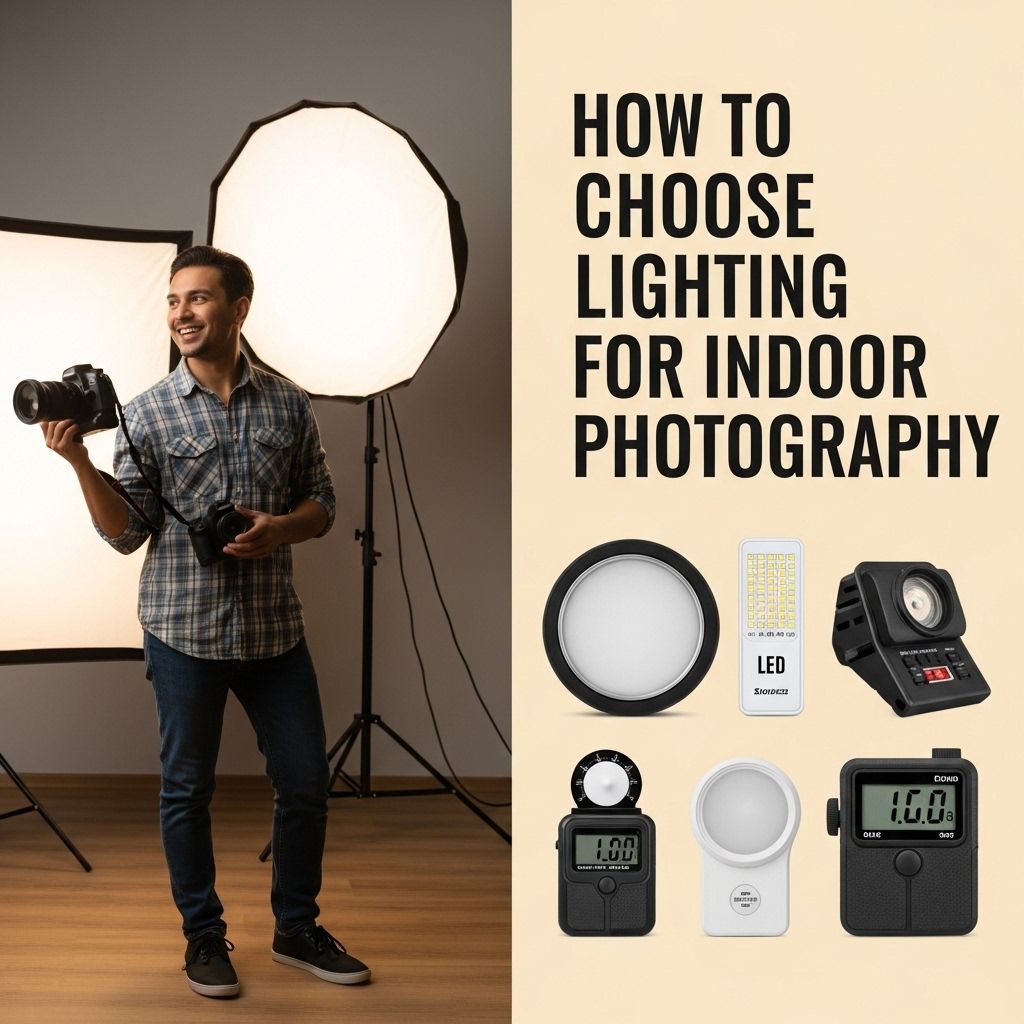
Lighting is one of the most critical elements of indoor photography. It can transform a simple scene into a captivating image or render a beautiful subject dull and lifeless. For photographers looking to enhance their indoor shots, understanding how to choose the right lighting is essential. This guide provides an in-depth look at the various lighting options available, the qualities to consider, and practical tips for achieving stunning results.
Mastering indoor photography hinges significantly on understanding lighting. Whether you’re shooting in natural light or utilizing artificial sources, the right lighting can transform your images, enhancing depth and mood. To delve deeper into such creative techniques, check out our premium logo mockups.
Table of Contents
Understanding Different Types of Lighting
Indoor photography can be accomplished using natural light, artificial light, or a combination of both. Each type has its advantages and challenges.
Natural Light
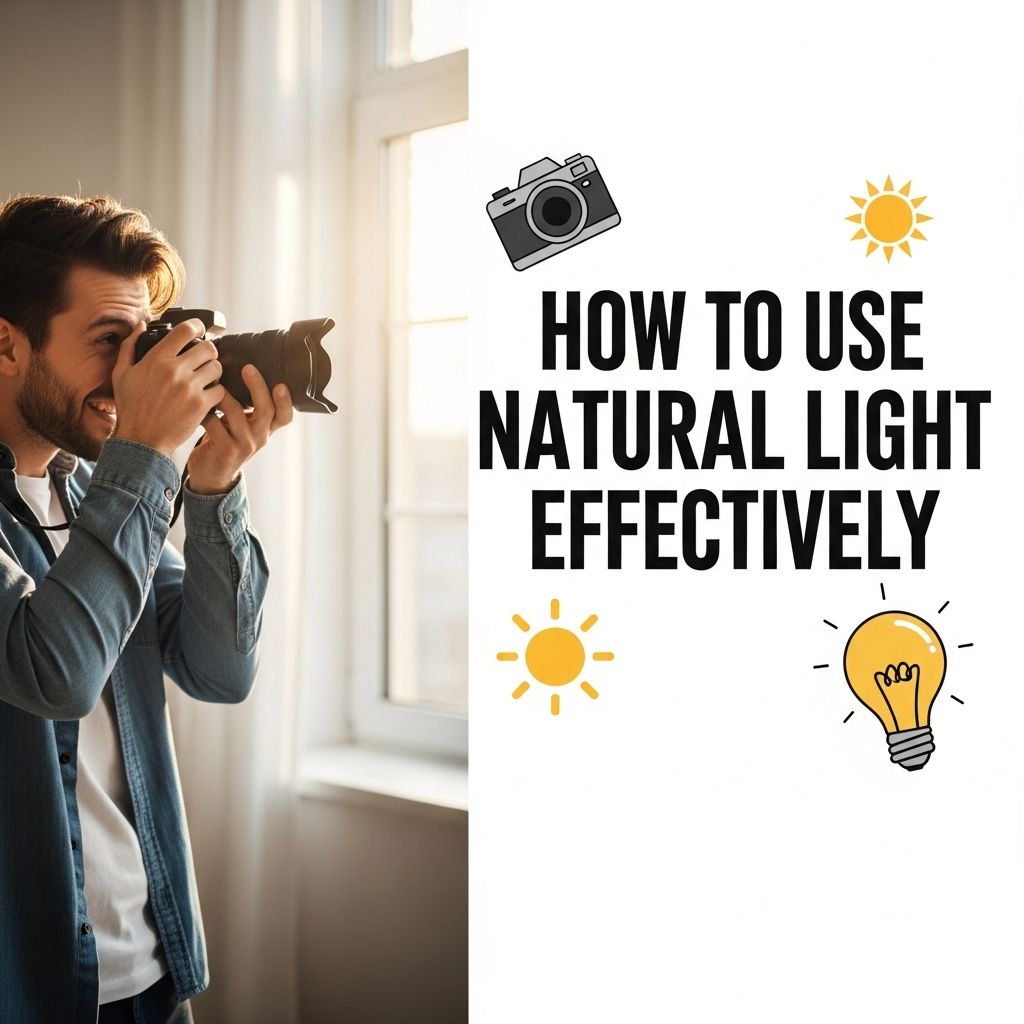
Natural light is often preferred for its softness and warmth. Here are some key points to consider:
- Timing: The quality of natural light changes throughout the day. The golden hour, shortly after sunrise and before sunset, provides the most flattering light.
- Window Placement: Position your subject near windows to maximize the effects of natural light. Experiment with different angles for varied results.
- Diffusion: Use sheer curtains or reflectors to soften and diffuse harsh sunlight.
Artificial Light
Artificial lighting offers more control and consistency. The main types include:
- Continuous Lighting: These lights provide a constant source of illumination, making it easier to see how the light affects your subject before taking a shot.
- Flash: A flash provides a strong burst of light and can be used to freeze motion. However, it requires careful handling to avoid harsh shadows.
- LED Lights: LED lights are versatile and energy-efficient. They come in various color temperatures, making them suitable for diverse lighting conditions.
Key Qualities of Good Lighting
When choosing lighting for indoor photography, consider the following qualities:
Color Temperature
Color temperature is measured in Kelvin (K) and affects the mood of your photos:
| Color Temperature | Effect |
|---|---|
| 2500K – 3500K | Warm, cozy light |
| 4000K – 5000K | Neutral light |
| 6000K – 7000K | Cool, daylight-like light |
Choose the appropriate color temperature based on the vibe you wish to convey. For a warm and inviting atmosphere, opt for lower temperatures.
Intensity
Light intensity can significantly impact your photograph:
- Soft Light: Reduces shadows and softens features. Ideal for portraits.
- Hard Light: Creates sharp shadows and highlights. Good for dramatic effects.
Direction
The direction from which light hits your subject influences mood and dimension:
- Front Lighting: Eliminates shadows, great for even illumination.
- Side Lighting: Adds depth and texture, highlighting contours.
- Back Lighting: Creates silhouettes or halo effects, useful for artistic shots.
Practical Tips for Indoor Lighting
Experiment with Positioning
Do not hesitate to move your light source around to see how different positions affect your subject. Test each angle and distance to find the most flattering setup.
Use Reflectors
Reflectors can help bounce light onto your subject, filling in shadows and enhancing overall exposure. You can buy reflectors or create your own using:
- White foam boards
- Aluminum foil
- Mylar sheets
Control Your Environment
Pay attention to the surroundings and how they interact with your light:
- Avoid cluttered backgrounds that can distract from your subject.
- Be mindful of color casts from walls or furniture affecting the overall tone of your images.
Advanced Lighting Techniques
Using Multiple Light Sources
Combining different light sources can create a more dynamic image. Consider the following setups:
- Key and Fill Light: Use a strong main light (key) and a softer light (fill) to reduce shadows.
- Three-Point Lighting: Utilize a key light, a fill light, and a backlight to create depth and dimension.
Light Modifiers
Light modifiers can enhance your lighting quality:
- Softboxes: Create soft, diffused light, ideal for portraits.
- Grids: Narrow the beam of light for more control and direction.
- Diffusers: Soften harsh lighting to reduce shadows.
Conclusion
Mastering indoor photography lighting requires practice and experimentation. By understanding the types of lighting available, their characteristics, and how to manipulate them, you can create stunning indoor photographs that capture the essence of your subject. Whether you prefer the natural glow of sunlight or the versatility of artificial sources, the right lighting can elevate your work significantly. Always remember that the best results come from a combination of technical knowledge and creative exploration.
FAQ
What are the best types of lighting for indoor photography?
The best types of lighting for indoor photography include natural light, softboxes, speedlights, and LED panels. Each type has its own advantages depending on the desired effect and setting.
How can I use natural light for indoor photography?
To use natural light effectively, position your subject near windows during the day to take advantage of soft, diffused sunlight. Use reflectors to bounce light onto the subject and reduce harsh shadows.
What is the role of softboxes in indoor photography?
Softboxes help diffuse harsh light, creating a softer and more even illumination on the subject. They are ideal for portrait photography and can enhance the overall quality of the images.
How do I avoid harsh shadows in indoor photography?
To avoid harsh shadows, utilize diffusers, bounce light off walls or ceilings, and adjust your light source angle. Experiment with different positions and distances to find the most flattering setup.
What color temperature should I use for indoor photography?
For indoor photography, aim for a color temperature between 3200K to 5600K, depending on your light source. This will help maintain accurate colors and prevent unwanted color casts in your images.
How important is lighting in indoor photography?
Lighting is crucial in indoor photography as it can dramatically alter the mood, depth, and clarity of your images. Proper lighting techniques can enhance your subject and help create stunning visuals.