The Future of Remote Work: Trends for 2025
Explore the evolving landscape of remote work and discover key trends shaping the future in 2025.

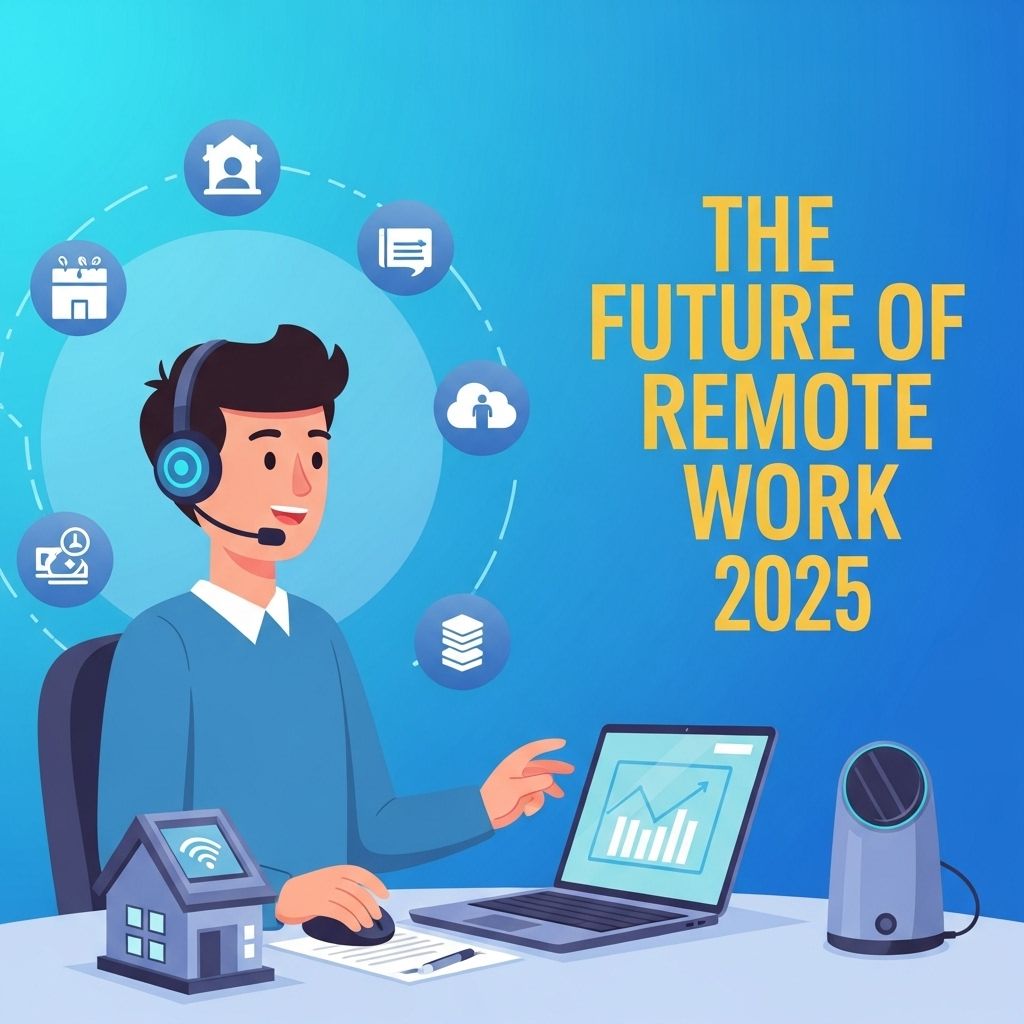
The world of work is undergoing a seismic shift, and with 2025 on the horizon, the evolution of remote work is set to reshape industries and redefine how professionals engage with their tasks. As technology advances and societal norms evolve, the future of remote work promises to enhance productivity, collaboration, and work-life balance. This article delves into the anticipated developments, trends, and technologies that will characterize remote work in 2025.
As we look towards 2025, the landscape of remote work continues to evolve dramatically. Emerging trends suggest a blend of hybrid work models, advanced technology integration, and a renewed focus on employee well-being will define the future workspace. For those interested in enhancing their brand presence as they navigate these changes, check out our premium logo mockups.
Table of Contents
The Rise of Hybrid Work Models
As organizations increasingly recognize the benefits of flexibility, hybrid work models are expected to become the norm. Employees will split their time between the office and remote locations, allowing for greater adaptability in work environments.
Advantages of Hybrid Work
- Flexibility: Employees can tailor their schedules to maximize productivity.
- Cost-effectiveness: Companies can reduce overhead costs by downsizing office spaces.
- Employee Satisfaction: Greater flexibility leads to improved work-life balance.
Technological Innovations Enhancing Remote Work
With the rapid pace of technological advancement, several innovations are set to revolutionize remote work by 2025.
Artificial Intelligence and Automation
AI will play a crucial role in automating repetitive tasks, allowing employees to focus on more strategic initiatives. Key applications include:
- Virtual Assistants: Tools like chatbots will handle customer inquiries, freeing up human resources.
- Data Analysis: AI will analyze large datasets to provide actionable insights, reducing the time spent on manual analysis.
- Project Management: AI-driven platforms will optimize workflows and deadlines, improving team collaboration.
Virtual Reality and Augmented Reality
Virtual Reality (VR) and Augmented Reality (AR) technologies will enable immersive remote experiences, enhancing collaboration and engagement. Potential uses include:
| Technology | Application |
|---|---|
| Virtual Reality | Immersive training sessions and meetings in a simulated environment. |
| Augmented Reality | Real-time collaboration on design projects with interactive 3D models. |
Workplace Culture in a Remote Environment
As remote work becomes entrenched, cultivating a positive workplace culture will be paramount. Organizations will need innovative strategies to foster connection and engagement.
Creating a Sense of Belonging
To maintain morale and team cohesion, companies will implement initiatives such as:
- Regular Virtual Check-ins: Scheduled team meetings to discuss goals and celebrate successes.
- Online Team-building Activities: Engaging in fun virtual activities to strengthen relationships.
- Recognition Programs: Acknowledging individual and team achievements through digital platforms.
Work-Life Balance and Employee Well-being
The future of remote work will prioritize employee well-being, emphasizing mental health and work-life balance.
Strategies for Enhancing Well-Being
- Flexible Work Hours: Allowing employees to choose their working hours to accommodate personal commitments.
- Mental Health Resources: Providing access to counseling and support services through virtual platforms.
- Encouraging Breaks: Promoting regular breaks to prevent burnout, with tools to remind employees to step away from their screens.
The Role of Cybersecurity in Remote Work
As remote work expands, cybersecurity will emerge as a critical concern for organizations. Protecting sensitive data must be a top priority.
Best Practices for Cybersecurity
Organizations should implement the following measures to safeguard their remote workforce:
- Regular Training: Conduct cyber awareness training to help employees recognize and respond to potential threats.
- Secure Connections: Encourage the use of VPNs to secure internet connections.
- Two-Factor Authentication: Implementing two-factor authentication for access to sensitive systems.
The Global Talent Pool
Remote work will open doors to a diverse global talent pool, enabling companies to hire the best talent regardless of geographical barriers.
Benefits of a Diverse Workforce
- Varied Perspectives: A diverse workforce fosters innovation through different viewpoints.
- Increased Agility: Diverse teams can adapt to changes in the market more effectively.
- Enhanced Problem Solving: Varied experiences lead to more creative solutions to challenges.
Conclusion
As we approach 2025, the landscape of remote work is set to become increasingly dynamic and complex. Embracing hybrid models, leveraging technological advancements, and prioritizing employee well-being will be crucial for organizations looking to thrive in the new era of work. By adapting to these changes, companies can foster an environment that promotes productivity, satisfaction, and success in the evolving world of remote work.
FAQ
What trends are shaping the future of remote work by 2025?
By 2025, key trends shaping remote work include increased reliance on artificial intelligence for task automation, enhanced collaboration tools, and a greater emphasis on employee well-being and mental health.
How will technology influence remote work in 2025?
Technology will play a pivotal role in remote work by 2025, with advancements in virtual reality, augmented reality, and 5G connectivity enhancing remote collaboration and making remote workplaces more immersive.
What skills will be in demand for remote workers in 2025?
In 2025, remote workers will need strong digital communication skills, adaptability to new technologies, and proficiency in remote collaboration tools, along with a focus on emotional intelligence and self-management.
Will remote work become the norm by 2025?
By 2025, remote work is expected to become a standard practice for many industries, with hybrid work models being adopted as organizations prioritize flexibility and employee satisfaction.
How can companies prepare for the future of remote work?
Companies can prepare for the future of remote work by investing in technology infrastructure, fostering a culture of trust and accountability, and providing ongoing training and resources to support remote employees.