Mastering Facebook Ads Targeting Strategies
Learn effective strategies to target your Facebook ads for maximum reach and engagement. Boost your campaign's success with these expert tips.
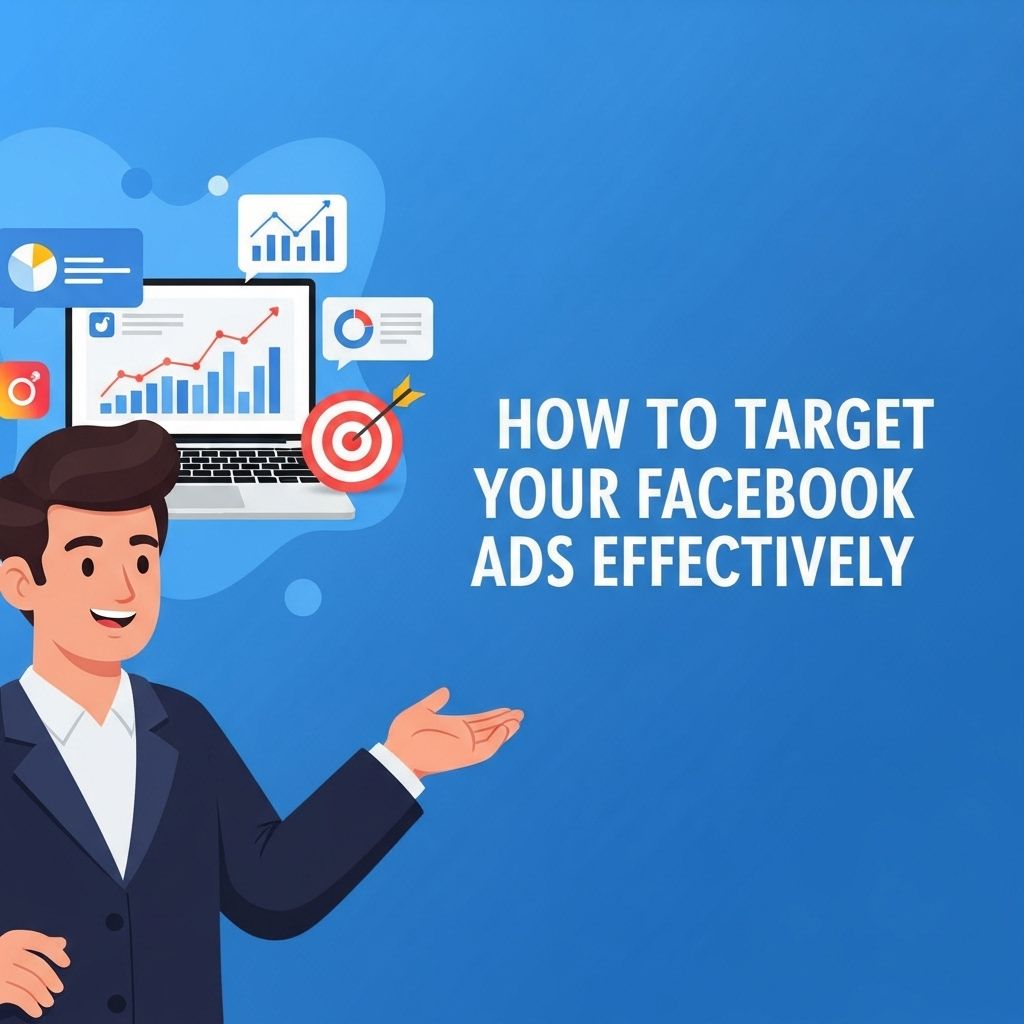
In the world of digital marketing, Facebook ads have become a cornerstone for businesses looking to reach potential customers. With over 2.8 billion monthly active users, the platform offers a unique opportunity to connect with diverse audiences. However, the effectiveness of your Facebook ads largely hinges on how well you target your audience. In this article, we will explore various strategies and techniques to enhance your Facebook ad targeting, ensuring you get the best return on investment (ROI) from your campaigns.
In the ever-evolving landscape of digital marketing, mastering Facebook Ads targeting strategies is crucial for reaching your ideal audience. By fine-tuning your approach, you can significantly enhance engagement and conversion rates. For those looking to elevate their branding alongside their ad campaigns, learn how to use logo mockups effectively to create a more compelling visual presence.
Understanding Audience Segmentation
Effective ad targeting begins with understanding audience segmentation. Audience segmentation is the process of dividing your target market into smaller groups based on various criteria.
Key Segmentation Criteria
- Demographics: Age, gender, income level, education.
- Geographics: Location, region, or even specific neighborhoods.
- Psychographics: Interests, values, and lifestyles.
- Behavioral: Purchase history, usage rate, and brand loyalty.
By combining these criteria, you can create highly targeted ads that resonate with your audience.
Utilizing Facebook Audience Insights
Facebook Audience Insights is a powerful tool that provides valuable data about your potential customers. By analyzing this data, you can refine your targeting strategy.
How to Use Audience Insights
- Access Audience Insights through your Facebook Ads Manager.
- Select the audience type you want to analyze: People on Facebook or People connected to your page.
- Explore the data on demographics, page likes, location, and purchase behavior.
- Use this information to create custom audiences for your ad campaigns.
This tool can help you understand what your audience cares about and how to tailor your messaging accordingly.
Creating Custom Audiences
Custom Audiences allow you to target users who have already interacted with your business. This can dramatically increase conversion rates since these users are already familiar with your brand.
Types of Custom Audiences
- Website Traffic: Target users who have previously visited your website.
- Engagement: Focus on users who have interacted with your posts, videos, or events on Facebook.
- Customer List: Upload your customer database to target existing customers with tailored offers.
By leveraging Custom Audiences, you can nurture relationships with users, encouraging them to take action.
Lookalike Audiences: Expanding Your Reach
Lookalike Audiences enable you to reach new users who exhibit similar characteristics to your existing customers. This targeting method can significantly boost your reach and effectiveness.
Creating Lookalike Audiences
- Choose an existing audience to base your Lookalike Audience on (e.g., your Custom Audience).
- Select the locations you want to target.
- Define the audience size (1% being the closest match, while 10% is a broader audience).
This method is particularly useful when trying to scale your campaigns while maintaining a high level of relevance.
Utilizing Detailed Targeting Options
Facebook offers a range of detailed targeting options that can enhance your ad precision. These include interests, behaviors, and demographic factors.
Interest Targeting
Target users based on their interests, which can include hobbies, activities, and pages they like. Here are some tips for effective interest targeting:
- Choose broad interests first to capture a larger audience.
- Layer interests to narrow down your audience effectively.
- Regularly update your interests based on changing trends.
Behavior Targeting
Behavior targeting allows you to reach users based on their browsing habits and purchasing behaviors. Examples include:
| Behavior Type | Description |
|---|---|
| Purchase Behavior | Target users who have recently made online purchases. |
| Travel Habits | Reach users who frequently travel for business or leisure. |
| Device Usage | Focus on users based on the mobile devices they use. |
Testing and Optimizing Your Ads
Effective targeting is just one part of creating successful Facebook ads. Testing and optimization are also crucial to improving performance.
Conducting A/B Testing
A/B testing, or split testing, involves running two versions of an ad to see which performs better. Here’s how to do it:
- Select one variable to test, such as ad copy, images, or audience.
- Create two versions of the ad.
- Run both ads simultaneously for a specific target audience.
- Analyze the results based on key performance indicators (KPIs).
Monitoring Ad Performance
Regularly monitor your ad metrics to ensure they align with your objectives. Some essential metrics to track include:
- Click-Through Rate (CTR)
- Conversion Rate
- Cost Per Click (CPC)
- Return on Ad Spend (ROAS)
Continuous monitoring allows you to make informed adjustments to your campaigns, optimizing for better results.
Staying Up-to-Date with Facebook Advertising Trends
The digital marketing landscape is ever-changing, and staying informed about the latest Facebook advertising trends is crucial for success.
Following Industry Influencers
Engage with industry influencers and thought leaders through social media and blogs. Some notable influencers include:
- Neil Patel
- Amy Porterfield
- Jon Loomer
Participating in Facebook Ads Webinars and Workshops
Facebook frequently hosts webinars and workshops that can provide insights into new features and best practices. Take advantage of these resources to refine your strategy.
Conclusion
Targeting your Facebook ads effectively is a multifaceted process that requires a deep understanding of your audience, ongoing testing, and staying informed about industry trends. By utilizing the various targeting tools and strategies discussed, you can enhance your ad performance and drive better results for your business. Remember, the key to successful advertising lies in knowing your audience and adjusting your approach based on data-driven insights. Start implementing these strategies today to maximize your Facebook advertising ROI.
FAQ
What are the best practices for targeting Facebook ads?
To effectively target your Facebook ads, define your target audience based on demographics, interests, and behaviors. Utilize Facebook’s Audience Insights tool to gather data, create custom audiences using retargeting, and experiment with lookalike audiences to reach new potential customers.
How do I use Facebook Audience Insights for ad targeting?
Facebook Audience Insights allows you to analyze demographic data, interests, and behaviors of your target audience. Use this tool to refine your audience segments and tailor your ad content to match their preferences for better engagement.
What is the importance of A/B testing in Facebook ad targeting?
A/B testing is crucial for optimizing Facebook ad targeting. By creating multiple versions of your ads with different targeting options, you can identify which audience segments respond best, allowing you to allocate your budget more effectively.
How can I retarget users with Facebook ads?
You can retarget users on Facebook by creating Custom Audiences based on website visitors, app users, or customer lists. This allows you to show ads to people who have previously interacted with your brand, increasing conversion chances.
What are lookalike audiences and how do they help in targeting?
Lookalike audiences are a powerful Facebook targeting feature that allows you to reach new users who share similar characteristics with your existing customers. By uploading your customer list or using data from your website visitors, Facebook can find individuals likely to be interested in your products or services.
How do I set a budget for my Facebook ad campaign effectively?
Setting an effective budget for your Facebook ad campaign involves determining your overall marketing goals, deciding whether to use a daily or lifetime budget, and monitoring ad performance to adjust spending based on what drives the best results.