10 Proven Ecommerce Marketing Strategies for 2025
Discover 10 effective ecommerce marketing strategies to boost sales and engagement in 2025. Stay ahead with these proven techniques!

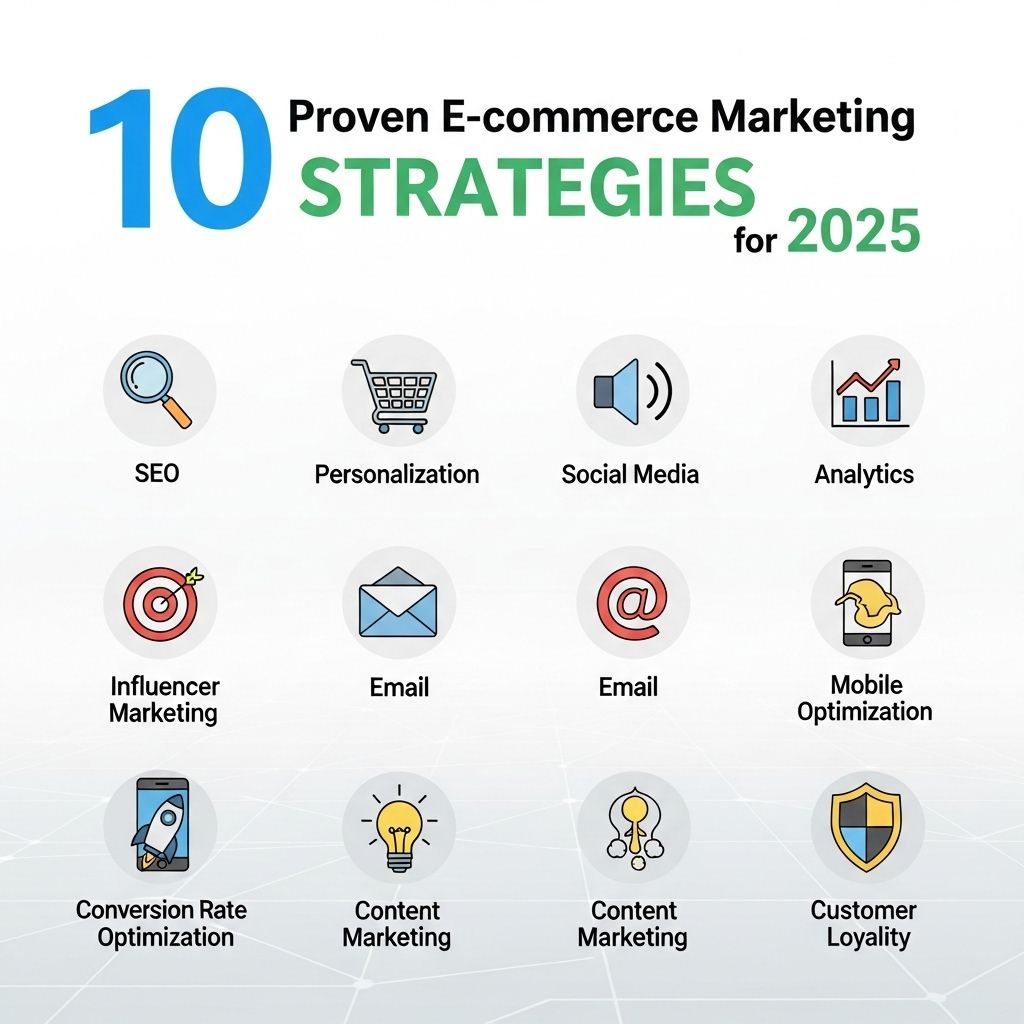
As we gear up for the exciting landscape of ecommerce in 2025, it’s clear that the digital marketplace is evolving faster than ever. With advancements in technology, shifting consumer behaviors, and an increasing emphasis on personalization, businesses must stay ahead of the curve. In this article, we will explore ten proven ecommerce marketing strategies that can help businesses not only survive but thrive in the competitive ecommerce environment of 2025.
As the ecommerce landscape continues to evolve, businesses must stay ahead by adopting innovative marketing strategies. In 2025, incorporating technologies such as 3D mockups will not only enhance product visualization but also engage customers more effectively. For a deeper dive into this technique, see how to use 3D mockups effectively.
Table of Contents
1. Embrace Artificial Intelligence
Artificial Intelligence (AI) is transforming how businesses interact with customers. By leveraging AI, ecommerce brands can provide personalized shopping experiences, optimize pricing strategies, and automate customer service.
Key Applications of AI in Ecommerce:
- Chatbots: Offering 24/7 customer support.
- Personalized Recommendations: Suggesting products based on user behavior.
- Predictive Analytics: Forecasting sales trends and customer buying patterns.
2. Prioritize Mobile-First Experiences
In 2025, mobile commerce will continue to dominate as more consumers shop on their smartphones. Ensuring your website is optimized for mobile users is essential.
Tips for Mobile Optimization:
- Utilize responsive design to adapt to various screen sizes.
- Streamline checkout processes to reduce cart abandonment.
- Incorporate mobile-friendly payment options like Apple Pay and Google Wallet.
3. Leverage Social Commerce
Social media platforms are becoming vital sales channels for ecommerce. By integrating shopping features within platforms like Instagram and Facebook, businesses can reach potential customers where they already spend their time.
Benefits of Social Commerce:
| Benefit | Description |
|---|---|
| Increased Visibility | Showcase products to a broader audience. |
| Enhanced Engagement | Interact with customers through comments and likes. |
| Streamlined Purchases | Facilitate a seamless buying experience directly on social platforms. |
4. Focus on Sustainability
As consumers become more environmentally conscious, adopting sustainable practices can enhance brand loyalty. In 2025, ecommerce brands that prioritize sustainability will likely attract a larger customer base.
Ways to Promote Sustainability:
- Use eco-friendly packaging.
- Implement carbon offset programs.
- Source products from ethical suppliers.
5. Utilize Augmented Reality (AR)
Augmented reality gives customers the ability to visualize products in their own space before purchasing. This technology can significantly reduce return rates and improve customer satisfaction.
Examples of AR in Ecommerce:
- Virtual try-on for clothing and accessories.
- 3D product views for home furnishings.
- Interactive product demonstrations.
6. Implement Subscription Models
Subscription models are gaining traction in various industries, providing steady revenue streams and fostering customer loyalty. Brands can offer curated products or exclusive deals through subscriptions.
Popular Subscription Services:
- Beauty boxes with personalized product samples.
- Meal kit delivery services.
- Monthly curated book subscriptions.
7. Invest in Influencer Marketing
Partnering with influencers allows brands to access new audiences and build trust through authentic endorsements. In 2025, micro-influencers, who have smaller but highly engaged followings, will be particularly effective.
Choosing the Right Influencer:
- Look for relevant niche audiences.
- Evaluate engagement rates over follower counts.
- Assess the influencer’s alignment with your brand values.
8. Optimize for Voice Search
With the rise of smart speakers and voice assistants, optimizing for voice search is becoming increasingly important. Consumers prefer the convenience of asking questions and getting instant answers.
Best Practices for Voice Search Optimization:
- Use natural language and conversational keywords.
- Answer common questions succinctly.
- Ensure your content is mobile-friendly.
9. Enhance Customer Experience with Personalization
Personalization is no longer a luxury but a necessity. By tailoring the shopping experience based on individual customer data, businesses can significantly boost conversion rates.
Techniques for Personalization:
- Dynamic website content that adapts to user preferences.
- Personalized email marketing campaigns.
- Customized product recommendations based on browsing history.
10. Utilize Data-Driven Decisions
In 2025, leveraging data analytics will be crucial for making informed marketing decisions. By analyzing customer behavior and sales trends, businesses can optimize their strategies.
Key Metrics to Monitor:
- Conversion Rate: Percentage of visitors who complete a purchase.
- Customer Lifetime Value (CLV): Total revenue expected from a customer.
- Cart Abandonment Rate: Percentage of users who add items to their cart but do not complete the purchase.
In conclusion, as we look forward to the ecommerce landscape of 2025, implementing these ten strategies can help businesses stay competitive and drive growth. By embracing technology and focusing on customer experience, brands can create a thriving online presence that resonates with today’s consumers.
FAQ
What are the top eCommerce marketing strategies for 2025?
Some of the top eCommerce marketing strategies for 2025 include personalized marketing, leveraging AI and machine learning, utilizing social commerce, optimizing for voice search, and enhancing customer experience with augmented reality.
How can I improve customer engagement in my eCommerce store?
To improve customer engagement, consider implementing loyalty programs, interactive content, personalized recommendations, and engaging social media campaigns.
What role does social media play in eCommerce marketing?
Social media plays a crucial role in eCommerce marketing by providing platforms for brand awareness, customer interaction, targeted advertising, and facilitating direct sales through social commerce features.
Why is SEO important for eCommerce businesses?
SEO is vital for eCommerce businesses as it helps increase visibility on search engines, drive organic traffic, and ultimately boost sales by attracting potential customers actively searching for products.
How can I leverage data analytics for my eCommerce marketing?
Leveraging data analytics allows eCommerce businesses to understand customer behavior, optimize marketing strategies, personalize customer experiences, and make informed decisions based on sales trends and user engagement.
What are the benefits of using influencer marketing in eCommerce?
Influencer marketing can enhance brand credibility, reach targeted audiences, create authentic connections with potential customers, and drive conversions through trusted recommendations.