Create Stunning Art Using AI Tools
Discover how to harness AI tools to create unique and stunning artwork. Unlock your creativity with this step-by-step guide.

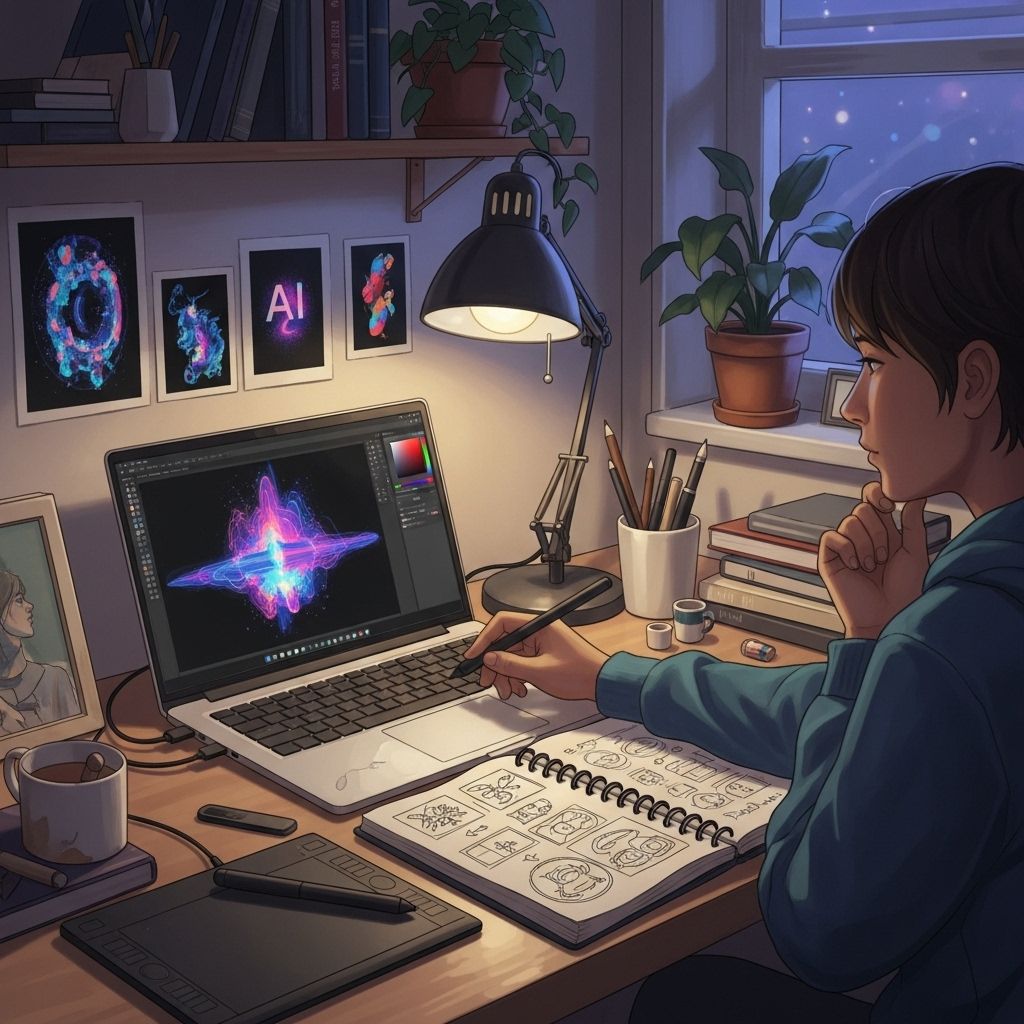
Artificial intelligence (AI) has rapidly transformed creative fields, making it possible for anyone to create stunning works of art. By harnessing the power of AI tools, artists and non-artists alike can explore new forms of creativity that were previously unimaginable. Whether you’re a seasoned artist or a curious beginner, understanding how to leverage these technologies can unlock a world of artistic possibilities. In this article, we will dive deep into the methods and tools available for creating art with AI, showcasing the innovation and creativity that this technology inspires.
Creating stunning art using AI tools opens up a world of possibilities for artists and designers alike. With advancements in technology, the fusion of creativity and AI can result in incredible visuals, such as download stunning 3D logo designs. Embrace these innovative tools to enhance your creative projects and explore new artistic horizons.
Table of Contents
Understanding AI Art
AI-generated art refers to artwork created or assisted by artificial intelligence. This encompasses a range of techniques, from generative adversarial networks (GANs) that create entirely new images to style transfer algorithms that apply the style of one image to the content of another.
The Evolution of AI in Art
The intersection of AI and art is not entirely new. Artists have been experimenting with computer algorithms and software since the 1960s. However, recent advancements in machine learning and computational power have propelled the field to new heights. Today, AI can analyze vast datasets, learn styles, and generate images that mimic human creativity.
Popular AI Tools for Art Creation
There are several AI tools available that can help artists bring their visions to life. Below is a list of popular tools, categorized based on their primary functions:
- Generative Art Tools:
- DeepArt.io: Uses deep neural networks to transform your photos into artworks using styles from famous artists.
- Artbreeder: Blends images using GANs, allowing users to create new art by combining existing pieces.
- Style Transfer Applications:
- Prisma: A mobile app that applies various artistic styles to your photos.
- RunwayML: A platform that provides tools for content creators to use machine learning in their projects.
- AI Painting and Drawing Software:
- Daz 3D: Software for creating 3D art with AI assistance.
- Deep Dream Generator: Creates dream-like images using a neural network.
Steps to Create Art Using AI
Creating art with AI tools can be broken down into several manageable steps. Below is a simple process to guide you through the journey:
- Choose Your AI Tool: Select an AI tool that fits your artistic vision and capabilities. Consider whether you want to generate new images or manipulate existing ones.
- Gather Inspiration: Look for inspiration from existing artworks, photographs, or concepts that resonate with you.
- Create or Upload Content: Depending on the tool, either upload a photo or start from scratch to create your initial artwork.
- Experiment with Styles: Use style transfer or generative features to manipulate and enhance your artwork. Adjust parameters and explore different combinations.
- Refine Your Work: Make edits and refinements to ensure that the final piece aligns with your artistic intent.
- Export and Share: Once satisfied with your creation, export your artwork and share it with the world.
The Role of Human Creativity
While AI tools can generate impressive art and assist in the creative process, it is essential to recognize the significance of human input. AI can suggest ideas, styles, and variations, but the artist’s vision, emotions, and personal touch are irreplaceable. Here are some ways to blend AI and human creativity:
- Use AI-generated outputs as a starting point for further manual modifications.
- Incorporate personal themes or messages into the AI-assisted designs.
- Interact with the AI process, providing feedback to guide its creation.
Challenges and Ethical Considerations
As with any emerging technology, the use of AI in art comes with its challenges and ethical considerations. Here are a few to keep in mind:
Intellectual Property Concerns
Who owns the rights to an artwork created by an AI? This question has sparked intense debates in the creative community. Artists may need to navigate copyright issues, especially if their work incorporates elements from existing images.
Quality vs. Quantity
AI can produce artwork at astonishing speeds, but this raises questions about the value of art. Is a piece generated in seconds less valuable than one painstakingly crafted by hand? This subjective question continues to elicit diverse opinions.
Job Displacement
As AI becomes more integrated into creative fields, concerns about job displacement for traditional artists, illustrators, and designers emerge. While AI can assist and inspire, it remains crucial for human creativity to thrive alongside these tools.
Embracing AI as a Creative Partner
Rather than viewing AI as a replacement for traditional artistry, it is more productive to see it as a creative partner. By embracing AI technologies, artists can expand their capabilities, explore new styles, and push the boundaries of their creative potential.
Case Studies of Successful AI Art
Several notable projects highlight the power of AI in art creation:
| Project | Description |
|---|---|
| Edmond de Belamy | A portrait generated by AI that fetched $432,500 at auction, showcasing the market’s fascination with AI-generated art. |
| AI Dungeon | An interactive storytelling game using AI to generate narratives, illustrating how AI can enhance storytelling and creativity. |
Conclusion
Creating art with AI tools opens up a new frontier for exploration and expression. These tools provide artists with the means to experiment and innovate in ways that were previously unattainable. As technology continues to evolve, the relationship between human creativity and AI will undoubtedly shape the future of artistry. Embrace the possibilities, and remember that the essence of art lies in the human experience, regardless of the medium.
FAQ
What are AI art tools?
AI art tools are software applications that use artificial intelligence algorithms to help users create artistic images, graphics, and designs. These tools can generate art based on user inputs, style transfers, or even create entirely new visuals from scratch.
How do I start creating art with AI tools?
To start creating art with AI tools, choose a platform or software that suits your needs, such as DeepArt, Artbreeder, or DALL-E. Follow the provided tutorials or guides to understand how to input your ideas and generate art.
Can I use AI-generated art for commercial purposes?
The usage rights for AI-generated art can vary by platform. Always check the terms and conditions of the specific AI tool you are using to determine if commercial use is allowed.
What are some popular AI art generation tools?
Some popular AI art generation tools include DALL-E, Midjourney, DeepArt, and Runway ML. Each offers unique features and capabilities for creating art.
Is creating art with AI tools difficult?
Creating art with AI tools is generally user-friendly, with many platforms designed for both beginners and experienced artists. Most tools provide intuitive interfaces and guidance to help you get started.
What are the benefits of using AI for art creation?
Using AI for art creation can enhance creativity, save time, and provide endless inspiration. AI can help artists experiment with new styles and ideas that they might not have explored otherwise.