Essential Business Continuity Strategies for eCommerce Growth
Discover key business continuity strategies to ensure sustainable growth in eCommerce. Learn how to adapt and thrive in changing market conditions.

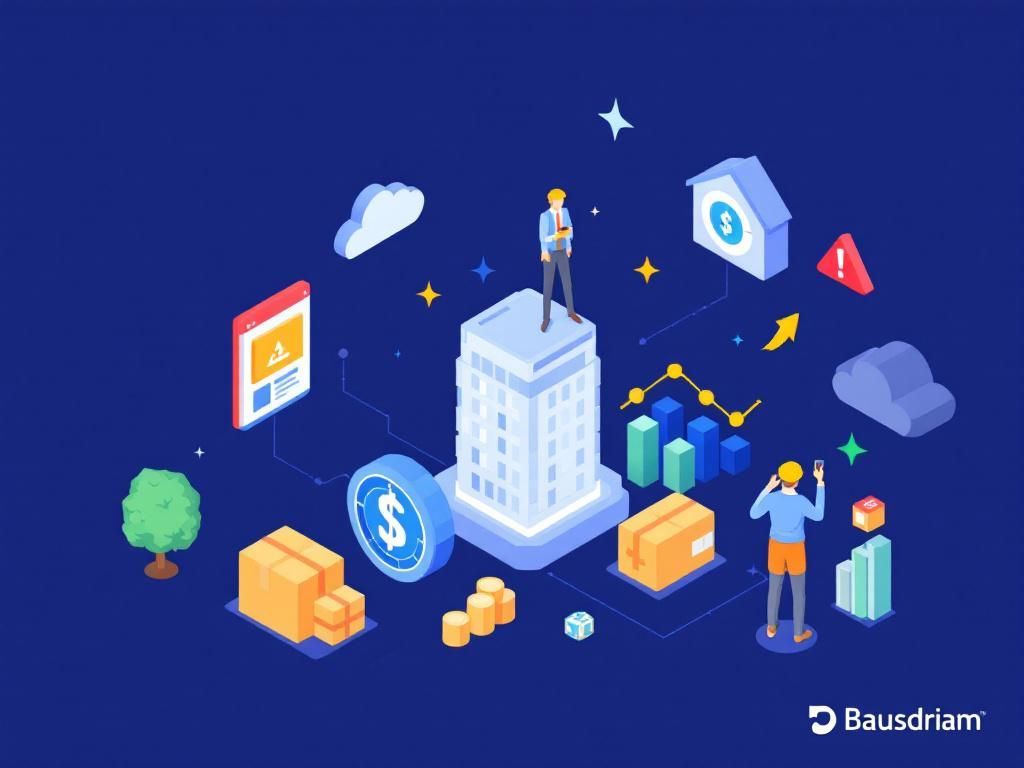
In the dynamic landscape of eCommerce, businesses are constantly seeking ways to not only grow but also to ensure sustainability in the face of unforeseen challenges. Business continuity strategies play a crucial role in helping eCommerce companies navigate through disruptions, whether they stem from technological failures, natural disasters, or market fluctuations. This article will explore effective strategies that eCommerce businesses can implement to foster growth while maintaining resilience.
In the rapidly evolving landscape of eCommerce, businesses must implement essential continuity strategies to ensure sustainable growth and resilience. By prioritizing adaptive supply chain management, robust cybersecurity measures, and effective customer engagement practices, eCommerce companies can navigate uncertainties and maintain operational efficiency. For those looking to enhance their presentation, there are numerous sources to browse versatile mockup options that complement these strategies.
Table of Contents
Understanding Business Continuity
Business continuity refers to the processes and procedures that organizations put in place to ensure that essential functions can continue during and after a disaster. For eCommerce businesses, this involves not only keeping the website operational but also ensuring that supply chains are intact and customer service remains responsive. The importance of business continuity can be illustrated through the following points:
- Minimizing downtime
- Protecting customer trust
- Ensuring regulatory compliance
- Safeguarding financial stability
Key Components of a Business Continuity Plan
A robust business continuity plan (BCP) typically includes several key components:
1. Risk Assessment
Conducting a thorough risk assessment helps identify potential threats to the business operations. This process should address:
- Internal risks (e.g., IT system failures, employee turnover)
- External risks (e.g., market trends, competitors)
- Environmental risks (e.g., natural disasters, pandemics)
2. Business Impact Analysis (BIA)
The BIA evaluates the potential impacts of identified risks on business operations. It helps prioritize critical business functions and the resources necessary to support them. Key elements to assess include:
- Revenue loss
- Operational delays
- Reputational damage
3. Recovery Strategies
Recovery strategies outline how the business will restore operations after a disruption. Options may include:
- Data backups and retrieval processes
- Diverse supply chain sourcing
- Decentralized logistics networks
4. Communication Plan
Clear communication is vital during a crisis. A well-defined communication plan should include:
- Contact information for all stakeholders
- Regular updates to customers and employees
- Social media strategies for public announcements
Implementing Technology in Business Continuity
Technology plays a pivotal role in enhancing business continuity. Here are some ways to leverage technology effectively:
Cloud Computing
Cloud services offer scalable resources that can be accessed remotely, making it easier to maintain operations during disruptions. Benefits include:
- Data redundancy and backup
- Flexible storage options
- Remote access for employees
Automated Systems
Utilizing automated systems for inventory management, customer service, and order processing can help maintain efficiency and reduce human error during crises. Consider:
- Chatbots for customer inquiries
- Automated inventory tracking
- Real-time data analytics tools
Supply Chain Resilience
An adaptable supply chain is crucial for eCommerce businesses aiming for growth. Strategies for building resilience include:
1. Diversification of Suppliers
Relying on a single supplier can be risky. Diversifying suppliers ensures that if one source fails, others can step in to fulfill orders.
2. Local Sourcing
Where possible, source products locally to minimize the impact of global supply chain disruptions. Benefits of local sourcing include:
- Reduced shipping times
- Lower transportation costs
- Support for local economies
3. Establishing Strong Relationships
Building strong relationships with suppliers and logistics partners fosters collaboration and quick responses during crises. Regular communication and joint planning can enhance supply chain agility.
Customer Relationship Management
Retaining customer trust during disruptions is paramount for eCommerce success. Strategies to strengthen customer relationships include:
1. Transparency
Be open about challenges and delays. Customers appreciate honesty and are more likely to remain loyal to brands that communicate effectively.
2. Personalized Communication
Use customer data to tailor communication and offers. Personalization can foster a sense of connection and loyalty.
3. Incentives for Loyalty
Offer incentives such as discounts, exclusive products, or rewards programs to keep customers engaged even through tough times.
Monitoring and Reviewing the Plan
Regularly reviewing and updating the business continuity plan is essential to ensure its effectiveness. Consider the following:
- Conducting regular drills and training sessions
- Evaluating the effectiveness of previous continuity efforts
- Incorporating feedback from stakeholders
Conclusion
In the fast-evolving eCommerce sector, developing and implementing effective business continuity strategies is essential for sustained growth. By understanding risks, leveraging technology, and building resilience in supply chains and customer relationships, eCommerce businesses can not only survive disruptions but thrive despite them. The future of eCommerce will favor those who are prepared, adaptable, and committed to ongoing improvement.
FAQ
What are business continuity strategies for eCommerce?
Business continuity strategies for eCommerce refer to plans and procedures put in place to ensure that an online business can continue operating during and after disruptive events, such as natural disasters, cyberattacks, or economic downturns.
How can eCommerce businesses prepare for disruptions?
eCommerce businesses can prepare for disruptions by conducting risk assessments, creating an emergency response plan, implementing data backup solutions, and establishing clear communication channels with customers and employees.
Why is it important to have a business continuity plan for eCommerce?
Having a business continuity plan is crucial for eCommerce as it minimizes downtime, protects customer data, maintains brand reputation, and ensures that the business can quickly recover from unforeseen events.
What role does technology play in eCommerce business continuity?
Technology plays a vital role in eCommerce business continuity by providing tools for data backup, remote work capabilities, customer communication, and inventory management, which help businesses operate smoothly during disruptions.
How can I ensure my eCommerce site is secure from cyber threats?
To secure your eCommerce site from cyber threats, implement strong encryption protocols, conduct regular security audits, use firewalls, keep software updated, and educate your team on cybersecurity best practices.
What are some examples of effective eCommerce business continuity strategies?
Effective eCommerce business continuity strategies include diversifying supply chains, utilizing cloud-based services, setting up remote work capabilities, and developing a robust crisis communication plan.