Choosing the Best AI Software: A Comprehensive Guide
Discover key factors and tips for selecting the best AI software to meet your needs and enhance your business operations.

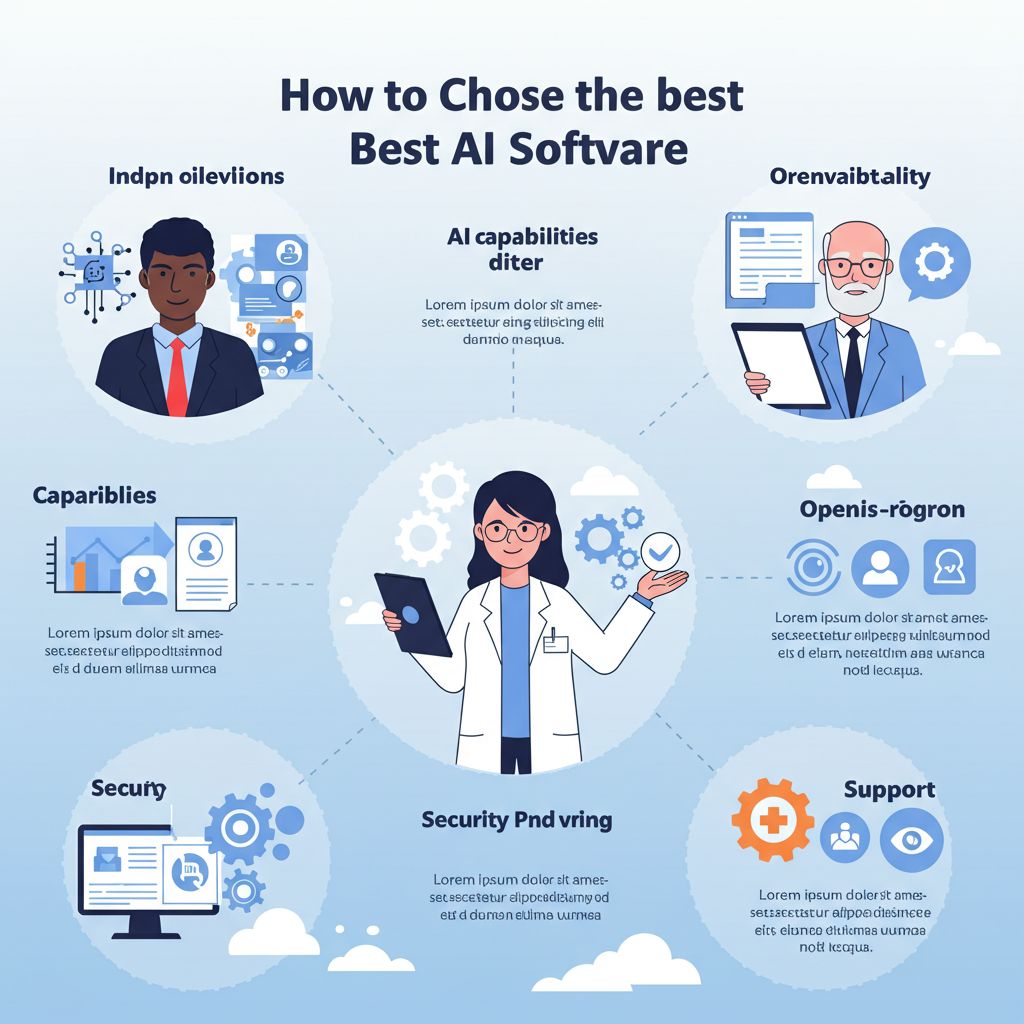
In today’s rapidly evolving technological landscape, artificial intelligence (AI) software has become a crucial component for businesses and individuals seeking to enhance productivity, automate processes, and gain insights from data. However, with a plethora of options available, selecting the right AI software can be a daunting task. This article aims to guide you through the essential factors to consider when choosing AI software, ensuring you make an informed decision that aligns with your specific needs.
Choosing the right AI software can significantly enhance your design process, particularly when it comes to creating stunning visuals like 3D logos. This comprehensive guide will walk you through the essential factors to consider, ensuring you find the best tools that align with your creative needs. For those interested in 3D logo designs, you can find the best 3D logo templates to complement your software of choice.
Table of Contents
Understanding Your Requirements
Before diving into the myriad of AI software options, it’s essential to first define your requirements. Consider the following:
- Purpose: What specific tasks do you want the AI software to accomplish? Examples include data analysis, customer support, or machine learning model deployment.
- Industry: Different industries have unique needs. For instance, healthcare AI might focus on patient data, while financial services might prioritize fraud detection.
- Integration: How will the software integrate with your existing systems? Compatibility with your current tools and platforms is crucial for seamless operation.
Evaluating Functionality
Once you have a clear understanding of your needs, it’s time to evaluate the functionality of potential AI software solutions. Here are some key functionalities to consider:
1. Data Processing Capabilities
AI software should efficiently process large volumes of data. Check for:
- Data ingestion options (batch, real-time, etc.)
- Support for various data formats (structured, unstructured, etc.)
- Data cleaning and preprocessing features
2. Model Training and Deployment
Look for software that offers robust training and deployment capabilities, including:
- User-friendly interfaces for model creation
- Support for various machine learning algorithms
- Automated model deployment and monitoring
3. Customization and Scalability
The ability to customize and scale your AI solutions as your needs evolve is essential. Consider:
- Options for fine-tuning models
- Scalability to handle increased data loads
- APIs for extending functionality
Assessing User Experience
User experience plays a vital role in the effectiveness of AI software. Ensure that the software is:
- Intuitive: A user-friendly interface minimizes the learning curve.
- Accessible: Consider how easy it is for both technical and non-technical users to utilize the software.
- Supportive: Look for comprehensive documentation, tutorials, and customer support channels.
Evaluating Performance and Reliability
Performance and reliability are critical in AI applications. Assess potential software on:
1. Speed and Efficiency
Check the software’s performance metrics, including:
- Processing speed
- Response time
- Resource consumption
2. Reliability and Uptime
High availability is crucial, so look for:
- Service Level Agreements (SLAs) that guarantee uptime
- Data backup and recovery options
- Redundancy in system architecture
Cost Considerations
While budget is often a limiting factor, it’s essential to evaluate the cost of AI software against the value it provides. Consider the following:
| Cost Component | Description |
|---|---|
| Licensing Fees | One-time or subscription-based fees for using the software. |
| Implementation Costs | Expenses related to integrating the software into existing systems. |
| Training Costs | Costs associated with training staff to use the software effectively. |
| Maintenance Fees | Ongoing costs for updates, support, and maintenance. |
Security and Compliance
As AI software often handles sensitive data, security should be a top priority. Evaluate the software’s security features, including:
- Data encryption protocols
- Access control mechanisms
- Compliance with relevant regulations (e.g., GDPR, HIPAA)
Vendor Reputation and Support
Finally, research the reputation of the software vendor. Consider:
- Customer Reviews: Read testimonials and case studies to gauge user satisfaction.
- Market Presence: Established vendors often have proven track records and greater reliability.
- Support Services: Ensure the vendor provides robust customer support and resources.
Conclusion
Choosing the best AI software requires careful consideration of various factors, from your specific needs and desired functionalities to performance, cost, and vendor reputation. By following the guidelines outlined in this article, you can make a well-informed decision that will optimize your productivity and drive innovation in your organization.
FAQ
What factors should I consider when choosing AI software?
When selecting AI software, consider factors such as your specific use case, scalability, ease of integration, user-friendliness, and customer support.
Is it important to evaluate the pricing of AI software?
Yes, evaluating the pricing of AI software is crucial as it should align with your budget while also providing good value for the features and capabilities you need.
How can I determine the reliability of an AI software provider?
To assess the reliability of an AI software provider, look for customer reviews, case studies, and testimonials, as well as their track record in the industry.
What role does scalability play in choosing AI software?
Scalability is important because it ensures that the AI software can grow with your business needs, allowing for increased data processing and functionality as required.
Should I prioritize user training and support when selecting AI software?
Absolutely. Prioritizing user training and support can enhance the effectiveness of the AI software and ensure that your team can use it efficiently.
What is the significance of integration capabilities in AI software?
Integration capabilities are significant because they determine how well the AI software can work with your existing systems and tools, ensuring a seamless workflow.