Revolutionize Your Daily Routine: 2025 Ideas for AI Integration
Explore 2025 innovative ways AI can enhance your daily tasks, streamline your routine, and boost productivity in everyday life.

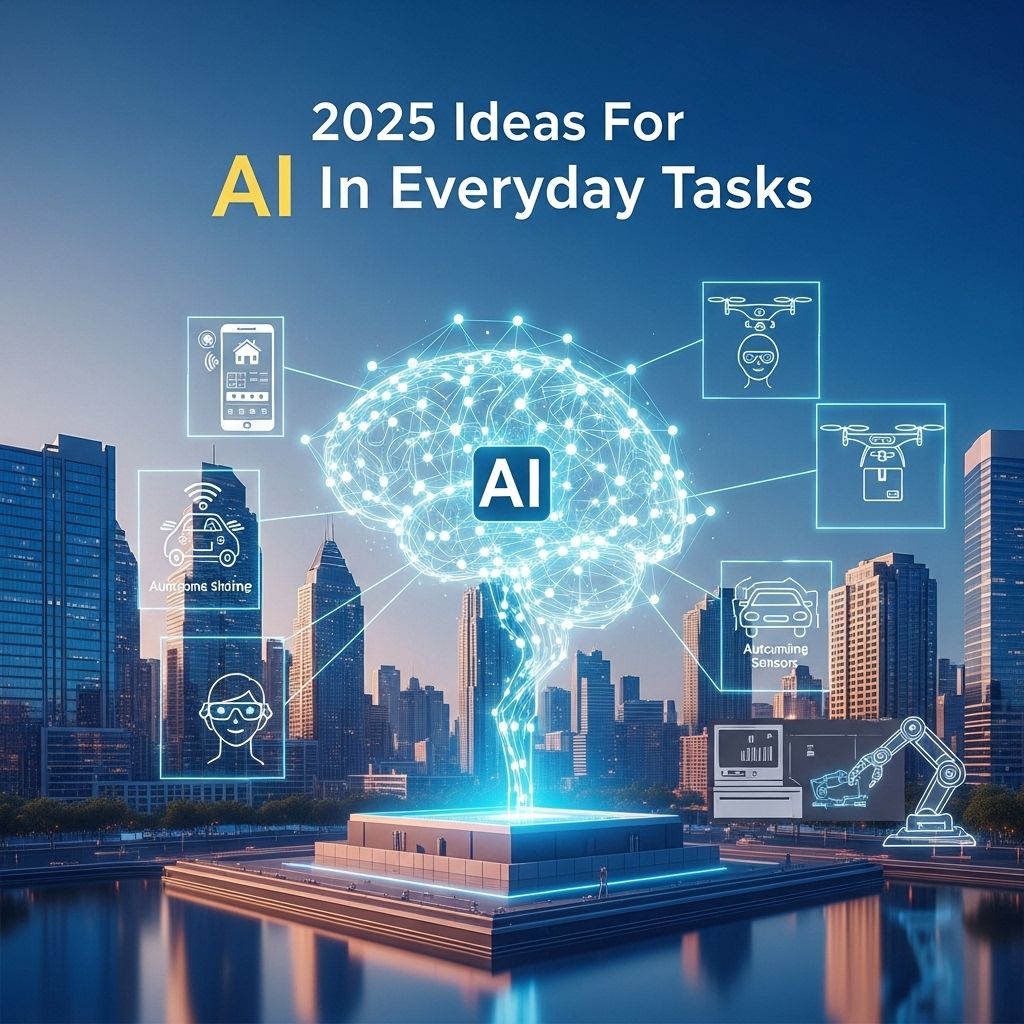
As we rapidly advance into a technology-driven era, the integration of Artificial Intelligence (AI) into our daily routines has begun to redefine efficiency and convenience. From smart home devices to personal assistants, AI is increasingly becoming a vital part of our lives, streamlining tasks that once required significant human effort. In this article, we will explore innovative AI applications that can transform everyday tasks, enhancing productivity and simplifying our lifestyles.
In an era where technology is constantly evolving, integrating AI into our daily routines can transform productivity and creativity. From personalized recommendations to enhanced workflow efficiency, the possibilities are endless. For instance, exploring innovative resources like discover unique 3D logo examples can inspire fresh ideas for your projects.
Table of Contents
Smart Home Innovations
The concept of a smart home has gained momentum, with AI at the helm of this evolution. Below are some trends and applications that are shaping our living spaces:
1. Automated Home Management
- Intelligent Thermostats: Devices like Nest use AI to learn your preferences and adjust heating and cooling accordingly.
- Smart Lighting: Philips Hue can be programmed to change colors and dim based on your mood or time of day.
- Voice-Controlled Assistants: Amazon Echo and Google Home allow you to control various home functions through simple voice commands.
2. Security Enhancements
With the rising awareness of home security, AI offers numerous solutions:
- Facial Recognition Cameras: These systems can identify familiar faces, notifying you of any intruders.
- Smart Alarms: AI-powered alarms can differentiate between usual activity and potential threats, reducing false alarms.
Personalized Productivity
AI tools are revolutionizing the way we manage our time and resources. Here’s how:
1. Task Automation
Automation tools powered by AI can help in managing repetitive tasks:
- Email Sorting: Tools like SaneBox prioritize and sort your emails based on your interaction history.
- Calendar Scheduling: Smart scheduling applications can analyze your availability and suggest optimal meeting times.
2. Enhanced Learning
AI-driven educational platforms offer personalized learning experiences:
- Adaptive Learning Systems: Platforms like Coursera and Khan Academy adjust lessons according to your learning pace.
- Language Translation: Tools like Google Translate utilize AI for real-time translation, making communication seamless.
Healthcare Advancements
AI’s influence in healthcare can greatly enhance personal wellness. Below are some notable applications:
1. Personalized Medicine
AI can analyze individual health data to provide tailored medical recommendations:
- Predictive Analytics: Tools can forecast potential health issues based on family history and lifestyle factors.
- Telemedicine: AI chatbots assist in preliminary diagnosis, helping users decide if they need to see a doctor.
2. Fitness and Nutrition
AI-powered applications can help users achieve their fitness goals:
- Fitness Trackers: Devices like Fitbit use AI to analyze physical activity and provide feedback for improvement.
- Nutrition Apps: Apps such as MyFitnessPal utilize AI to suggest meal plans based on dietary preferences and restrictions.
AI in Transportation
The transportation sector is experiencing a significant transformation due to AI technology. Key innovations include:
1. Autonomous Vehicles
Self-driving cars are no longer a distant dream:
- Safety Features: AI enhances vehicle safety through features like automatic emergency braking and lane-keeping assistance.
- Traffic Management: AI systems optimize traffic flow, reducing congestion and improving travel times.
2. Ride-Sharing Services
Ride-sharing platforms have integrated AI to enhance user experience:
- Dynamic Pricing: AI algorithms adjust prices based on demand and availability in real-time.
- Route Optimization: AI helps drivers find the fastest routes, increasing efficiency and customer satisfaction.
Finance and Budgeting
AI is also making waves in the finance sector, offering smarter ways to manage money:
1. Investment Management
AI-driven platforms are transforming how we invest:
- Robo-Advisors: Services like Betterment and Wealthfront use algorithms to create personalized investment portfolios.
- Market Prediction: AI tools analyze market trends to provide forecasts, helping investors make informed decisions.
2. Budgeting Tools
AI can simplify personal finance management:
- Expense Tracking: Apps like Mint categorize your expenses and provide insights into spending habits.
- Automated Savings: AI can suggest monthly savings goals based on income and spending patterns.
Conclusion
The future of AI in everyday tasks is not just about automation; it’s about creating a more connected, efficient, and personalized experience across all aspects of life. As we embrace these innovations, it’s essential to remain mindful of the ethical implications and privacy concerns that accompany this technology. By integrating AI thoughtfully into our daily routines, we can enhance our quality of life, making tasks that once seemed cumbersome into opportunities for greater well-being and productivity.
FAQ
What are some examples of AI applications in everyday tasks?
AI can assist with tasks like scheduling appointments, managing emails, providing personalized shopping recommendations, automating home systems, and offering language translation services.
How can AI improve productivity in daily routines?
AI can streamline workflows by automating repetitive tasks, organizing schedules, prioritizing tasks based on urgency, and providing reminders to enhance time management.
What role does AI play in smart home devices?
AI enhances smart home devices by enabling voice control, optimizing energy consumption, learning user preferences, and providing security features through smart cameras and sensors.
Can AI assist with personal finance management?
Yes, AI can help manage personal finances by tracking expenses, creating budgets, analyzing spending habits, and providing investment recommendations.
How can AI enhance learning experiences?
AI can personalize learning by adapting educational content to individual learning styles, providing instant feedback, and facilitating access to online resources and tutoring.
What are the ethical considerations of using AI in everyday tasks?
Ethical considerations include data privacy, algorithmic bias, transparency in AI decision-making, and the potential impact on employment and job displacement.