Mastering Amazon Ad Campaigns for Success
Learn how to create and manage successful Amazon ad campaigns that maximize your visibility and sales. Tips and strategies for effective advertising.

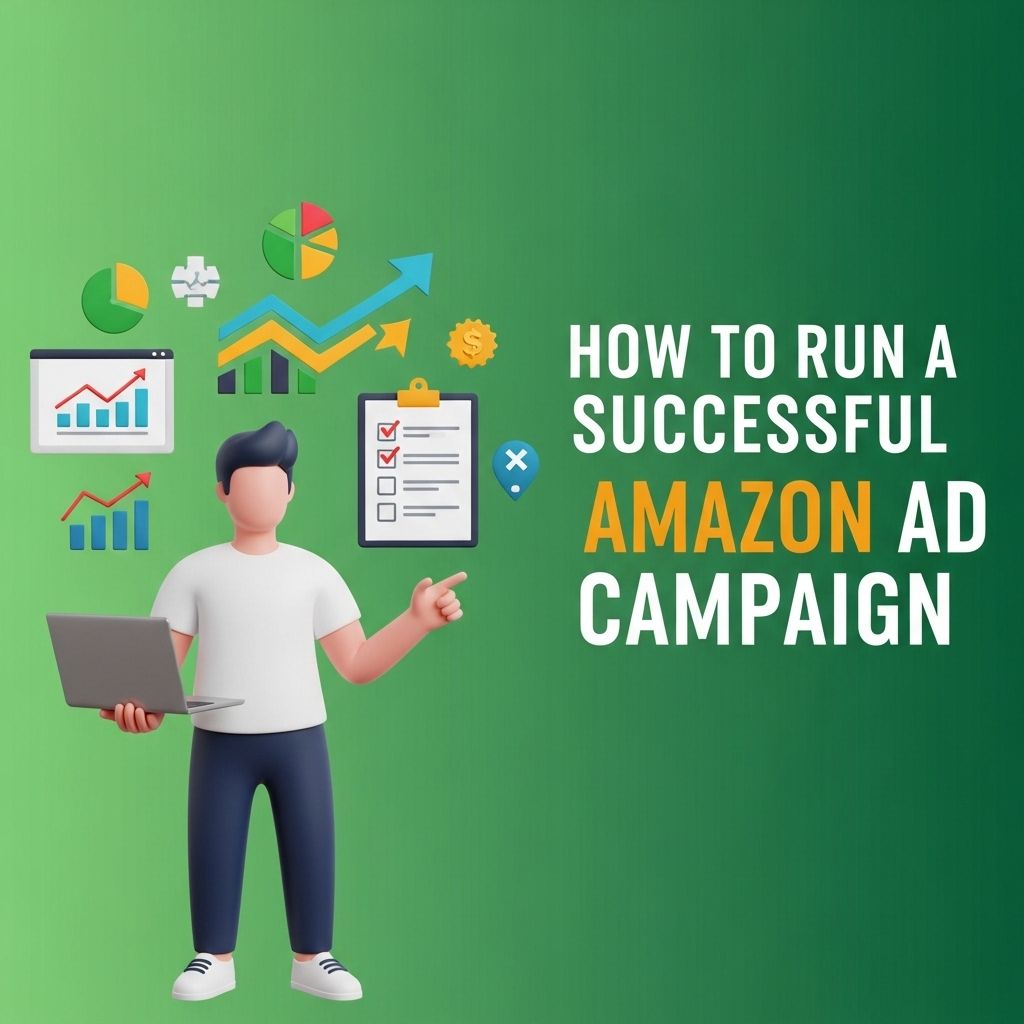
In the highly competitive world of e-commerce, running a successful Amazon ad campaign can be the key to boosting product visibility and driving sales. With millions of products listed on Amazon, it’s essential to optimize your advertising strategy to stand out. This article delves into the intricacies of Amazon advertising, providing key insights, strategies, and best practices for creating effective ad campaigns that resonate with your target audience.
Mastering Amazon Ad Campaigns for Success is essential for brands looking to enhance their visibility and drive sales on one of the world’s largest e-commerce platforms. Understanding the intricacies of targeting, bid strategies, and ad placements can transform how effectively you reach your audience. For those looking to promote their brand visually, consider exploring options such as browse logo mockup templates to elevate your marketing efforts.
Understanding Amazon Advertising Types
Amazon offers various ad formats, each catering to different marketing goals. Familiarizing yourself with these options is crucial for developing a well-rounded advertising strategy.
1. Sponsored Products
Sponsored Products are the most popular ad type on Amazon. They help promote individual listings on search results and product detail pages, allowing sellers to boost visibility directly related to keywords.
- Targeting: Automatic or manual targeting based on keyword selection.
- Cost: Pay-per-click (PPC) model.
2. Sponsored Brands
These ads showcase your brand logo, a custom headline, and multiple products, allowing for better brand recognition.
- Targeting: Keywords or product categories.
- Cost: Pay-per-click (PPC) model.
3. Sponsored Display
Sponsored Display ads appear on and off Amazon, targeting shoppers based on their shopping behavior and interests.
- Targeting: Audience targeting or product targeting.
- Cost: Pay-per-click (PPC) or cost-per-impression (CPM) model.
Setting Clear Objectives
Before launching any ad campaign, it’s vital to define clear objectives. Here are some common goals:
- Increase Brand Awareness: Focus on Sponsored Brands.
- Boost Sales: Utilize Sponsored Products.
- Retarget Interested Customers: Implement Sponsored Display.
Keyword Research and Selection
Effective keywords are the backbone of a successful Amazon ad campaign. Here are steps to help you select the best keywords:
1. Use Amazon’s Keyword Tools
Utilize tools like Amazon’s own search bar, which auto-suggests popular search queries, to gather insights on relevant keywords.
2. Analyze Competitors
Research competitors’ listings and ads to uncover which keywords they target. Tools like Jungle Scout and Helium 10 can provide valuable insights.
3. Long-Tail Keywords
Incorporate long-tail keywords. They may have lower search volumes, but they often convert better due to higher specificity.
Creating Compelling Ad Copy
The ad copy is crucial in attracting potential customers. Here are some tips to craft engaging ad content:
1. Highlight Key Features
Focus on unique selling points. What makes your product stand out? Use bullet points for clarity:
- High-quality materials
- Eco-friendly production
- Exclusive features
2. Utilize Strong Calls to Action (CTAs)
Incorporate persuasive CTAs that encourage engagement, such as:
- “Shop Now”
- “Limited Time Offer”
- “Discover More”
Budgeting and Bidding Strategy
Setting a budget and choosing a bidding strategy is essential to maximize ROI. Here’s how:
1. Define Your Budget
Determine a monthly budget for your campaigns. Start small and gradually increase as you analyze performance.
2. Bidding Options
For Sponsored Products, you can choose:
- Dynamic bids: Amazon adjusts your bids in real-time based on the likelihood of conversion.
- Static bids: You set a fixed bid amount, regardless of the ad position.
Monitoring Campaign Performance
Once your campaign is live, it’s crucial to monitor performance regularly. Key metrics to track include:
| Metric | Description |
|---|---|
| ACoS (Advertising Cost of Sales) | The ratio of ad spend to sales generated from ads. |
| CTR (Click-Through Rate) | The percentage of people who clicked on your ad after seeing it. |
| CPC (Cost Per Click) | The amount you pay for each click on your ad. |
| Impressions | The number of times your ad was displayed. |
Optimization Strategies
Optimization is an ongoing process. Implement these strategies to enhance ad performance:
1. Analyze and Adjust Bids
Review your ACoS regularly. Lower bids on underperforming keywords and increase bids where you see potential.
2. Refine Targeting
Consider adjusting your targeting based on performance data. Focus on high-performing keywords and audiences.
3. A/B Testing
Run A/B tests on different ad variations to determine which performs best. Experiment with different headlines, images, and CTAs.
Final Thoughts
Running a successful Amazon ad campaign requires strategic planning, continuous optimization, and a keen understanding of your target audience. By leveraging the various ad types available, setting clear objectives, and consistently monitoring your performance, you can significantly increase your product visibility and sales on Amazon. Embrace the challenges of the marketplace and refine your advertising tactics to achieve sustained success.
FAQ
What are the key components of a successful Amazon ad campaign?
The key components include selecting the right keywords, optimizing product listings, setting a budget, and monitoring performance metrics.
How do I choose the right keywords for my Amazon ads?
Use Amazon’s keyword research tools, analyze competitor listings, and consider customer search behavior to select relevant keywords.
What is the importance of product listing optimization for Amazon ads?
Optimizing product listings improves visibility and conversion rates, ensuring that your ads attract the right audience.
How can I monitor the performance of my Amazon ad campaign?
Use Amazon’s advertising dashboard to track metrics like impressions, clicks, conversions, and return on ad spend (ROAS).
What budget should I set for my Amazon ad campaign?
Determine your budget based on your overall marketing goals, the cost-per-click of your selected keywords, and your expected return on investment.
How often should I adjust my Amazon ad campaign?
Regularly review your campaign performance, ideally weekly, to make necessary adjustments based on data and trends.