Build a Habit Tracker That Actually Works
Discover effective strategies to create a habit tracker that helps you stay consistent and achieve your goals. Start building better habits today!
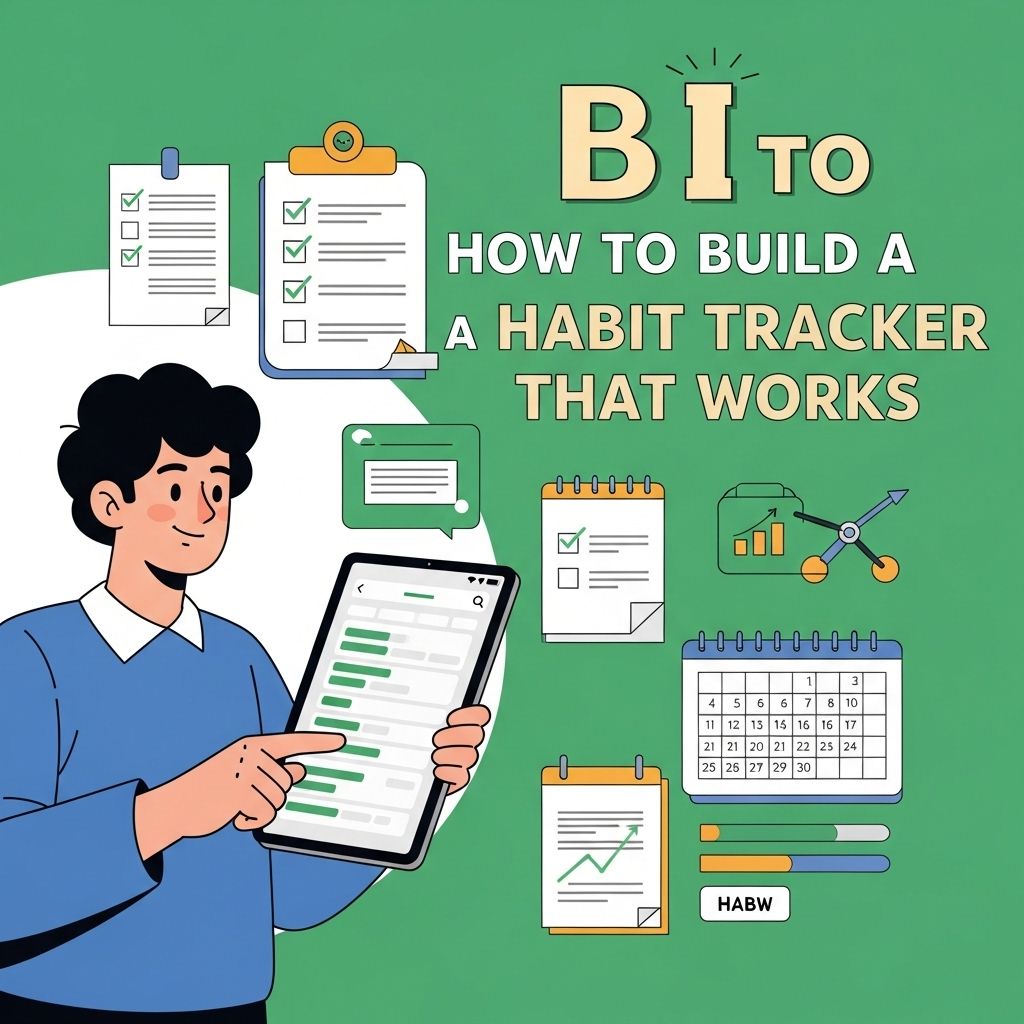
Creating new habits can be a daunting task, but with the right tools and strategies, it becomes much more manageable. One effective method for ensuring that you stick to your habits is by using a habit tracker. This article delves into the various aspects of building a habit tracker that truly works, helping you to achieve your goals systematically and efficiently.
Building a habit tracker that genuinely works involves understanding your own behavior patterns and setting realistic goals. By personalizing your tracker, you can increase motivation and accountability, making it a more effective tool for change. To enhance your creative efforts, learn how to use logo mockups effectively.
Understanding Habit Formation
Before jumping into the mechanics of building a habit tracker, it’s crucial to understand how habits are formed. Habits are essentially behaviors that have been repeated so often that they become automatic. According to psychological research, there are three key components to habit formation:
- Cue: This is the trigger that initiates the behavior.
- Routine: The actual behavior or action you take.
- Reward: The positive reinforcement that follows the behavior, encouraging you to repeat it.
By comprehending these elements, you can design a habit tracker that incorporates and reinforces these phases.
Choosing the Right Medium
There are numerous ways to create a habit tracker, each with its own advantages and disadvantages:
1. Digital Trackers
Using apps or online tools can be highly effective. Here are some popular options:
- Habitica: A gamified habit tracker that turns your goals into a game.
- Strides: Offers customizable reminders and a comprehensive graph of your progress.
- Todoist: Although primarily a task management tool, it can be adapted for habit tracking.
2. Analog Trackers
If you prefer something tangible, consider traditional methods:
- Bullet Journal: A versatile option that allows you to design your own tracking system.
- Printable Habit Trackers: You can find various templates online that you can print and fill out manually.
- Wall Chart: A large visual tracker that you can hang on your wall for daily visibility.
Designing Your Habit Tracker
The design of your habit tracker plays a pivotal role in its effectiveness. Here are some elements to consider:
1. Define Your Goals
Be specific about what habits you want to track. For example, instead of tracking ‘reading more’, specify ‘reading 30 pages per day’. Clearly defined goals make tracking more straightforward.
2. Select Habits to Track
Be mindful not to overwhelm yourself. Focus on a few key habits at a time, such as:
- Exercise
- Meditation
- Drinking enough water
- Journaling
3. Set a Time Frame
Decide on a specific time frame for tracking your habits, whether it’s daily, weekly, or monthly. For example, you might choose to:
- Track daily habits for a month to see progress.
- Review weekly to assess what’s working well.
4. Create a Visual Representation
Visuals significantly enhance motivation. Consider using:
| Visual Type | Description |
|---|---|
| Checklists | Simple checkbox items for daily tasks. |
| Graphs | Line graphs to visualize progress over time. |
| Color Coding | Assign colors for different levels of success. |
Implementing and Maintaining Your Tracker
Once you have designed your habit tracker, it’s time to implement it into your daily routine. Here are some strategies to maintain it:
1. Set Reminders
Using notifications on your phone or setting a daily alarm can help you remember to log your habits.
2. Regular Reviews
Take time each week to review your progress. This will allow you to:
- Identify patterns in your behavior.
- Make adjustments to difficult habits.
- Celebrate your successes.
3. Stay Flexible
If you find certain habits aren’t working, don’t be afraid to adjust them. The goal is to create a system that fits your lifestyle, not to force yourself into a rigid framework.
Leveraging Accountability
Accountability can significantly enhance the effectiveness of your habit tracker. Here’s how:
1. Partner Up
Find a friend or family member to join you in tracking your habits. Sharing your goals with someone else can increase your commitment.
2. Online Communities
Join forums or social media groups focused on habit tracking. Engaging with others can provide motivation and helpful tips.
Conclusion
Building a habit tracker that works involves understanding the science of habits, choosing the right medium, designing an effective tracker, and maintaining consistency. With the right approach, a habit tracker can be a powerful tool in helping you achieve your personal goals and leading a more productive life. Remember, the key to success lies in persistence and adaptability. Start today, and see the difference it makes in your journey towards self-improvement.
FAQ
What is a habit tracker and how does it work?
A habit tracker is a tool that helps individuals monitor and maintain their daily habits by recording their progress over time. It can be a physical journal or a digital app that allows users to visualize their consistency and motivate them to stick to their goals.
What are the benefits of using a habit tracker?
Using a habit tracker can enhance accountability, provide motivation, help identify patterns in behavior, and increase the likelihood of achieving goals by keeping individuals focused on their daily habits.
How do I create an effective habit tracker?
To create an effective habit tracker, start by defining specific habits you want to build, choose a tracking format that works for you (like a chart or app), set realistic goals, and regularly review your progress to adjust strategies as needed.
Should I track all my habits or just a few?
It’s generally more effective to focus on a few key habits at a time rather than trying to track everything at once. This approach allows you to concentrate your efforts and increases the chances of successfully forming those habits.
Can I use a habit tracker for negative habits as well?
Yes, a habit tracker can be used to monitor negative habits you want to reduce or eliminate. By tracking these habits, you can identify triggers, patterns, and progress toward minimizing them.
What tools can I use to build a habit tracker?
You can use a variety of tools to build a habit tracker, including digital apps (like Habitica or Streaks), spreadsheets, or traditional paper journals. Choose the one that best fits your lifestyle and preferences.