Master Your Habits: Setting Up a Notion Habit Tracker
Learn how to easily create a Notion habit tracker to boost your productivity and stay consistent with your goals.
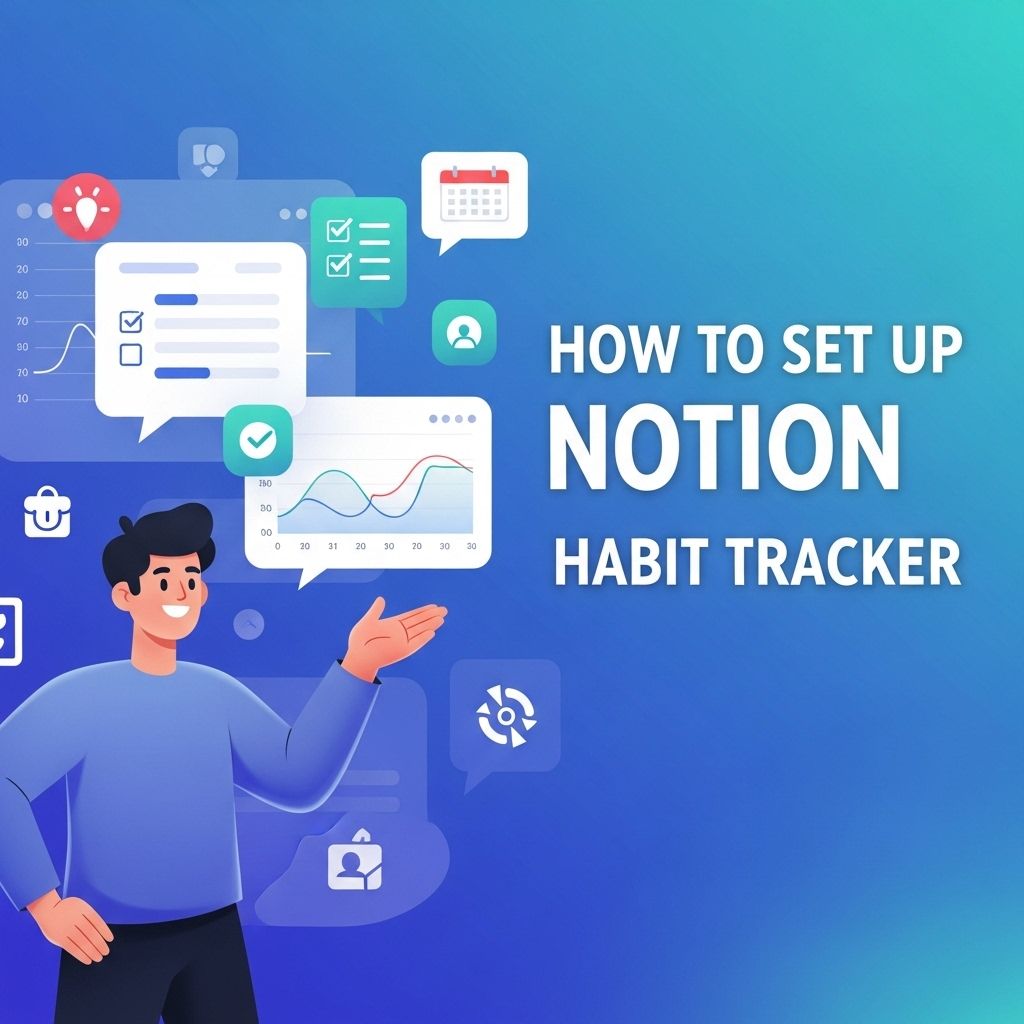
Maintaining habits can be a challenging task, especially in today’s fast-paced world where distractions are everywhere. Fortunately, with the help of productivity tools, tracking your progress has never been easier. Notion is a versatile all-in-one workspace that allows you to create and manage various aspects of your life, including a habit tracker. In this article, we will guide you through the steps to set up an effective habit tracker in Notion, ensuring you stay accountable and motivated on your journey toward personal growth.
Setting up a habit tracker in Notion can significantly enhance your ability to master your habits. By customizing your tracker, you can easily monitor your progress and stay motivated. For those looking to elevate their branding alongside their personal growth, consider checking out these download stunning logo mockups.
Understanding Notion’s Capabilities
Before diving into the setup process, it’s essential to comprehend what Notion can offer:
- Customizability: Notion allows users to create templates that suit their specific needs.
- Integration: You can incorporate various types of content like text, images, databases, and more into your habit tracker.
- Collaboration: Share your workspace with others for accountability and support.
Step-by-Step Guide to Setting Up Your Habit Tracker
Follow these steps to create a habit tracker that aligns with your goals:
1. Set Up a New Page
To start, create a new page in Notion:
- Open Notion and navigate to the sidebar.
- Click on the New Page button.
- Title your page (e.g., “Habit Tracker”).
2. Choose a Layout
Decide how you want to visualize your habits. Notion offers several formats; here are a few options:
- Table: A grid layout allows you to see all habits and their respective statuses at a glance.
- Board: Visualize habits as cards, which can be moved between different stages (e.g., planned, in progress, completed).
- Calendar: Track habits on a calendar to observe daily, weekly, or monthly patterns.
3. Creating a Habit Tracker Table
For this guide, we’ll create a basic table to track habits:
- Choose the Table option in your new page.
- Add the following columns:
| Habit | Frequency | Status | Notes |
|---|---|---|---|
| Exercise | Daily | ☐ | |
| Meditate | Daily | ☐ | |
| Read | Weekly | ☐ | |
| Sleep by 10 PM | Daily | ☐ |
4. Filling in Your Tracker
Start populating your habit tracker with habits you want to develop. Be specific about:
- Frequency: Determine how often you want to perform each habit (e.g., daily, weekly, monthly).
- Status: Use checkboxes or dropdowns to indicate completion.
- Notes: Add any reflections or observations about your progress.
5. Adding Formulas for Progress Tracking
To enhance your tracker, implement formulas that calculate your success rates:
- Add a new column titled Progress.
- Use a formula like
toNumber(count(prop("Status")) / prop("Frequency"))to calculate the percentage of completed habits.
6. Visualizing Your Data
Visual representations can motivate you further. Consider adding a bar chart or progress bar:
- Navigate to the Database View and select the Gallery option.
- Choose properties that visualize your completion rates.
7. Reviewing and Adjusting
Set a regular review schedule (e.g., weekly or monthly) to assess your progress:
- Identify which habits are consistently completed and which ones need more focus.
- Adjust frequencies as necessary to prevent burnout or frustration.
Additional Tips for Success
To maximize the effectiveness of your Notion habit tracker:
- Be Realistic: Start with a manageable number of habits to avoid overwhelm.
- Stay Flexible: Modify your habits and goals as needed based on your lifestyle changes.
- Celebrate Small Wins: Reward yourself for small achievements to maintain motivation.
Integrating Other Notion Features
Leverage Notion’s ecosystem by integrating other features:
Task Lists
Create a task management section to complement your habits:
- Create a new page called Task List.
- Use a checklist format to stay organized.
Goal Setting
Set long-term and short-term goals:
- Design a section dedicated to personal and professional goals.
- Break each goal into actionable steps.
Conclusion
Using Notion as a habit tracker can streamline your personal development journey. With its customizability and powerful features, you’re equipped to create a functional and motivating habit tracker. By following the steps outlined in this article, you can build a system that not only tracks your habits but also fosters accountability and growth. Start your journey today, and watch as your commitment to self-improvement flourishes!
FAQ
How do I create a habit tracker in Notion?
To create a habit tracker in Notion, start by opening a new page, then use a database or a table format to list your habits. You can add checkboxes for each day of the week to track your progress.
Can I customize my Notion habit tracker?
Yes, you can customize your Notion habit tracker by adding colors, icons, and additional properties like notes or tags to better reflect your personal goals and preferences.
Is it possible to integrate reminders in my Notion habit tracker?
Notion does not have built-in reminders, but you can use a third-party tool like Zapier to set up automated reminders based on your habit tracker data.
How can I visualize my habit progress in Notion?
You can visualize your habit progress in Notion by using the ‘Gallery’ or ‘Calendar’ views to see your completed habits over time, or by creating a progress bar using formulas.
Can I share my Notion habit tracker with others?
Yes, you can share your Notion habit tracker by inviting team members or friends to the page, or by creating a public link that allows others to view your tracker.
What are some best practices for using a habit tracker in Notion?
Some best practices include setting realistic goals, updating your tracker daily, and regularly reviewing your progress to make necessary adjustments to your habits.