Top 10 Essential Tools for Effective Coaching Sessions
Discover the top 10 tools that can enhance your coaching sessions and drive successful outcomes for your clients.
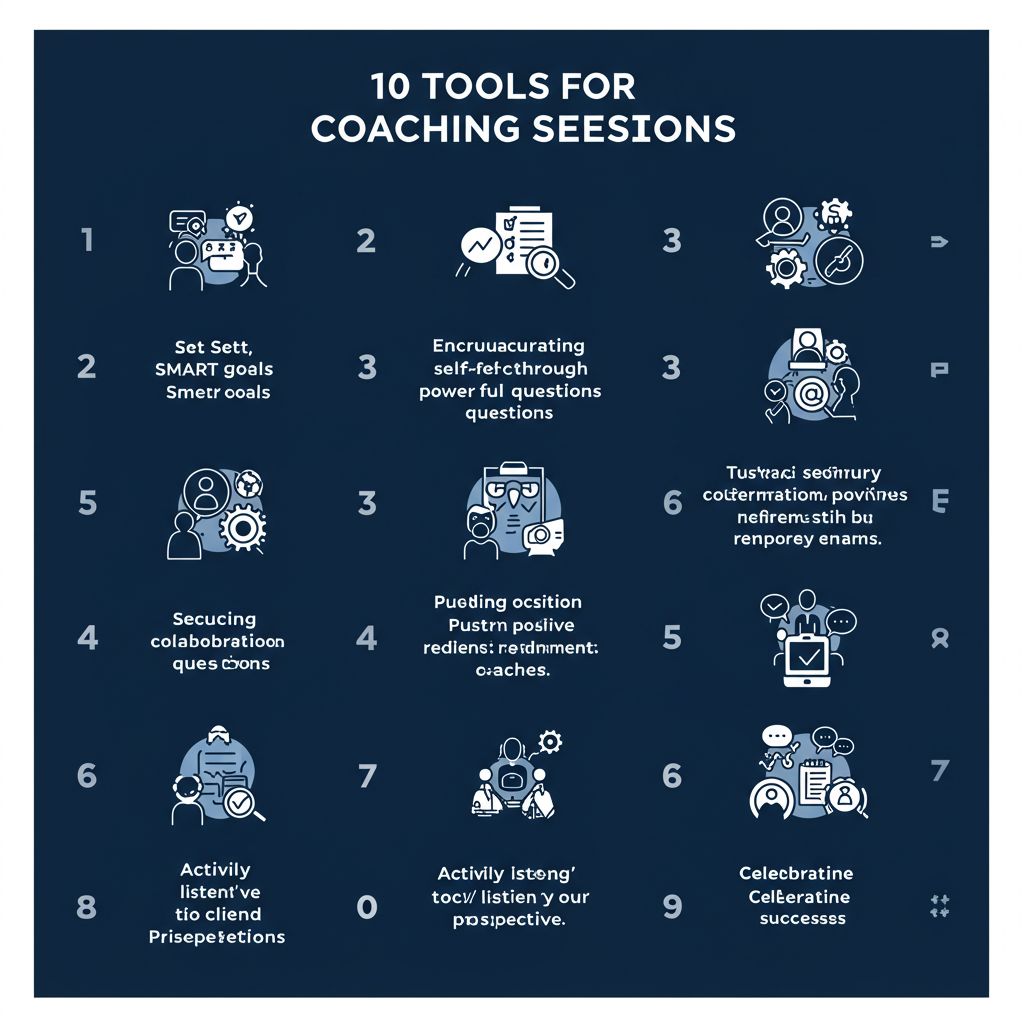
Coaching is an art that requires the right tools to facilitate effective sessions. Whether you are a life coach, corporate trainer, or sports coach, having the right resources can significantly enhance your coaching experience. In this article, we will explore ten essential tools that can help you conduct more successful coaching sessions, improving both the productivity of the sessions and the outcomes for your clients.
Effective coaching sessions rely heavily on the right tools to foster engagement and clarity. From interactive platforms to visual aids, utilizing essential resources can enhance the overall coaching experience. For instance, see how to use 3D mockups effectively to create impactful logos and visuals that engage clients.
1. Video Conferencing Software
In today’s digital age, video conferencing software has become a staple for remote coaching. It allows coaches to connect with clients from anywhere, ensuring that geographical barriers do not hinder the coaching process.
Popular Options:
- Zoom
- Microsoft Teams
- Google Meet
Each of these platforms offers features such as screen sharing, breakout rooms, and recording capabilities, making them ideal for interactive coaching sessions.
2. Collaborative Whiteboard Tools
Visual aids can enhance understanding and engagement during sessions. Collaborative whiteboard tools allow coaches and clients to brainstorm ideas, outline goals, and visualize concepts in real-time.
Recommended Tools:
- Miro
- MURAL
- Jamboard
These tools are user-friendly and promote interactive discussions, allowing for a more dynamic coaching experience.
3. Goal-Setting Software
Setting clear and achievable goals is crucial in the coaching process. Goal-setting software helps both coaches and clients track progress and stay accountable.
Features to Look For:
- Progress tracking
- Milestones and deadlines
- Integration with calendars
Some popular options include:
| Tool | Features | Price |
|---|---|---|
| Asana | Task assignments, timelines | Free/Premium |
| Trello | Visual boards, checklists | Free/Premium |
| Goal Buddy | Accountability partners, reminders | Subscription |
4. Assessment Tools
Assessment tools allow coaches to evaluate their clients’ strengths, weaknesses, and areas for improvement. These tools can be invaluable for building customized coaching plans.
Types of Assessments:
- Personality assessments (e.g., MBTI, DISC)
- Skills assessments (e.g., competency tests)
- Self-assessment questionnaires
5. Communication Platforms
Effective communication is the cornerstone of successful coaching. Platforms that enable seamless communication help maintain a connection between sessions.
Options to Consider:
- Slack
- Telegram
These platforms facilitate instant communication, allowing coaches to offer support and resources outside of scheduled sessions.
6. Content Management Systems
Coaches often need to share resources, articles, and learning materials with clients. A content management system (CMS) can streamline this process.
Key Features:
- File sharing
- Organization by topics or sessions
- User-friendly interface
Examples of effective CMS tools include:
- Notion
- Dropbox
- Google Drive
7. Feedback Tools
Feedback is essential for growth. Utilizing feedback tools enables coaches to gather insights from clients about the coaching process and their personal progression.
Common Feedback Tools:
- SurveyMonkey
- Google Forms
- Typeform
These platforms allow for customized surveys that can help coaches refine their methods and improve client satisfaction.
8. Project Management Software
Project management software can streamline the coaching process, especially for team coaches or corporate trainers. It helps in organizing sessions, tracking progress, and managing resources.
Useful Features:
- Task assignments
- Timeline tracking
- Collaboration features
Tools like Monday.com and ClickUp can be invaluable for coaches managing multiple clients or large groups.
9. Scheduling Tools
To ensure smooth operations, scheduling tools can help coaches manage appointments and client sessions efficiently.
Top Scheduling Tools:
- Calendly
- Acuity Scheduling
- SimplyBook.me
These tools allow clients to book appointments based on the coach’s availability, reducing back-and-forth communication.
10. Resource Libraries
A resource library containing articles, videos, and templates can be immensely beneficial for both coaches and clients. It provides additional materials for clients to explore topics discussed in sessions.
Suggestions for Building a Resource Library:
- Compile articles and books related to coaching
- Include worksheets and templates for practical application
- Add links to relevant videos and podcasts
Creating a well-rounded resource library can enhance the coaching experience and provide ongoing learning opportunities for clients.
Conclusion
Coaching requires a variety of tools to ensure sessions are effective, engaging, and productive. By incorporating these ten essential tools into your coaching practice, you can enhance communication, track progress, and ultimately help your clients achieve their goals more efficiently. Whether you are just starting out or looking to improve your existing practice, these resources can provide a solid foundation for successful coaching sessions.
FAQ
What are the essential tools for successful coaching sessions?
Essential tools for successful coaching sessions include goal-setting software, video conferencing platforms, feedback and evaluation tools, project management apps, communication tools, and assessment frameworks.
How can video conferencing tools enhance coaching sessions?
Video conferencing tools allow coaches to connect with clients remotely, facilitating face-to-face interaction and engagement, which is crucial for effective communication and relationship building.
What role does goal-setting software play in coaching?
Goal-setting software helps coaches and clients define, track, and manage goals, providing clarity and accountability throughout the coaching process.
Why is feedback important in coaching sessions?
Feedback is vital in coaching sessions as it helps clients understand their progress, identify areas for improvement, and reinforce positive behaviors.
What are the benefits of using project management apps in coaching?
Project management apps help coaches and clients organize tasks, set deadlines, and monitor progress, ensuring that both parties stay aligned and focused on achieving goals.
How can I effectively use communication tools in coaching?
Effective use of communication tools, such as messaging apps and email, allows for continuous support and check-ins between sessions, fostering a stronger coach-client relationship.