5 Essential Tools for Group Coaching Success
Discover the top 5 tools that can elevate your group coaching sessions and enhance participant engagement for ultimate success.
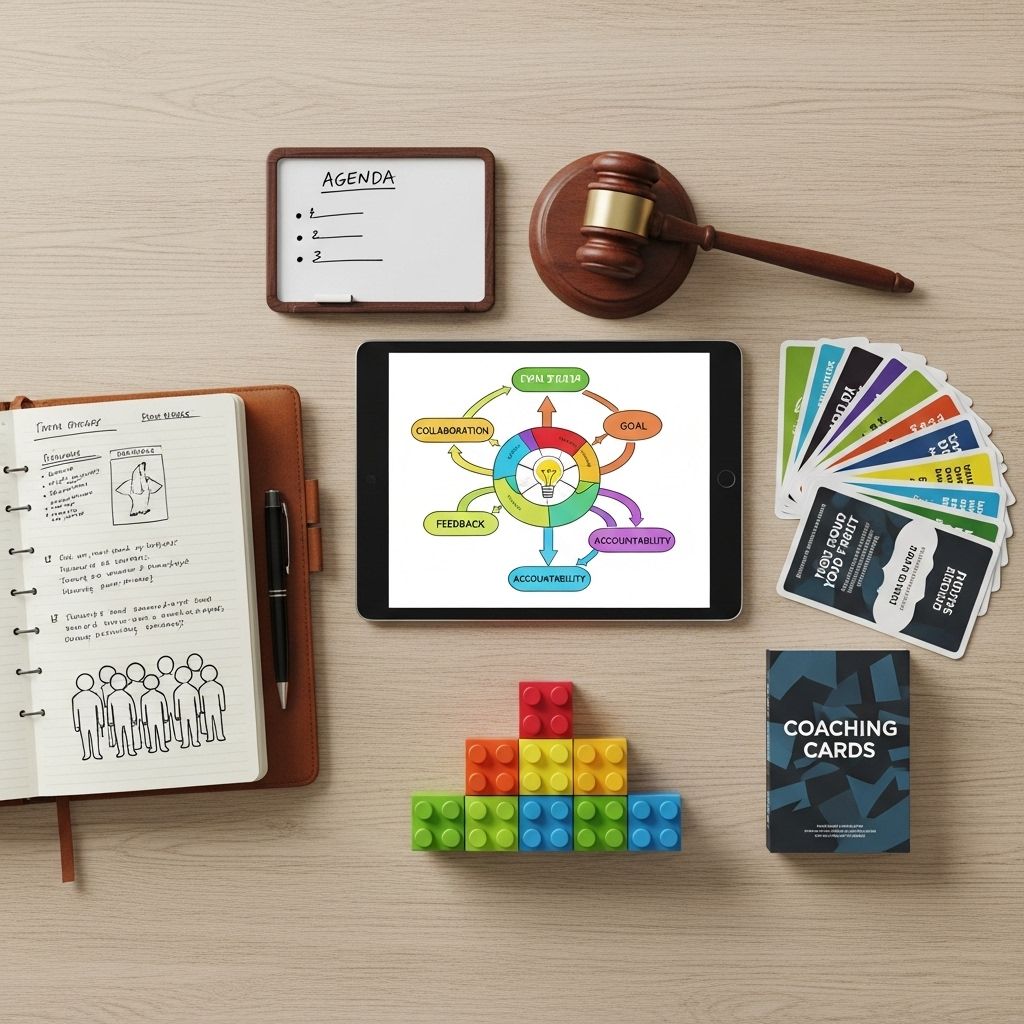
In the realm of personal development, group coaching has emerged as a transformative experience for individuals seeking guidance and support from both a facilitator and peers. This collaborative approach not only enhances individual growth but also fosters a sense of community. To maximize the effectiveness of group coaching, utilizing the right tools is imperative. Below, we delve into five essential tools that can significantly enhance the success of group coaching sessions.
Group coaching can be a transformative experience, but it requires the right tools to elevate its effectiveness. In this article, we’ll explore five essential tools that can enhance collaboration and engagement, ensuring both coaches and participants achieve their goals. For those looking to enhance their presentations, see how to use 3D mockups effectively.
1. Video Conferencing Platforms
In today’s digital landscape, video conferencing tools are indispensable for facilitating remote group coaching sessions. They provide a space for face-to-face interaction, which is crucial for building rapport and trust among participants.
Popular Video Conferencing Tools:
- Zoom: Offers features such as breakout rooms, screen sharing, and recording options.
- Microsoft Teams: Integrates seamlessly with other Microsoft products and provides collaborative tools.
- Google Meet: Simple interface with real-time collaboration on Google Docs.
With these platforms, coaches can engage participants through interactive discussions, role-playing, and real-time feedback.
2. Collaborative Workspaces
Collaborative workspaces allow group coaching participants to share insights, documents, and progress in real-time. These tools can create a centralized hub for resources and communication.
Key Collaborative Tools:
- Trello: Utilizes boards and cards to track goals and tasks.
- Asana: Provides project management features enabling teams to assign tasks and deadlines.
- Slack: A messaging platform that allows for channels dedicated to specific topics or projects.
By using collaborative workspaces, group members can stay organized and engaged throughout the coaching process.
3. Assessment and Feedback Tools
To tailor coaching to meet the needs of each participant, it is vital to gather feedback and assess progress regularly. Assessment tools can provide insights into individual strengths, weaknesses, and areas for improvement.
Recommended Assessment Tools:
| Tool | Description | Features |
|---|---|---|
| SurveyMonkey | Online survey tool for feedback collection | Customizable templates, real-time analytics |
| Typeform | Engaging forms and surveys | Interactive layout, easy-to-share links |
| Google Forms | Free tool for creating simple forms | Integration with Google Sheets, easy data collection |
Utilizing these tools allows coaches to adapt their approach based on participant feedback and track progress effectively.
4. Learning Management Systems (LMS)
A Learning Management System can enhance the group coaching experience by providing a structured environment for learning materials, resources, and modules. An LMS helps in tracking individual progress and ensuring accountability.
Effective LMS Platforms:
- Moodle: Open-source platform with customizable features for courses.
- Teachable: Intuitive user interface for creating online courses.
- Thinkific: Offers features to create, market, and sell online courses.
By incorporating an LMS, coaches can provide additional resources for participants to explore between sessions, reinforcing the learning experience.
5. Community Building Platforms
A strong sense of community is vital for the success of group coaching. Community building platforms allow participants to connect, share experiences, and support one another outside of scheduled sessions.
Examples of Community Platforms:
- Facebook Groups: A popular option for informal discussions and sharing resources.
- Mighty Networks: Designed specifically for building communities around specific topics.
- Discord: Originally a gaming platform, now widely used for community engagement and discussions.
These platforms encourage continuous interaction and provide a space for networking and collaboration among participants, strengthening their commitment to the coaching process.
Conclusion
In conclusion, the success of group coaching relies heavily on the tools utilized to enhance communication, collaboration, and community among participants. By integrating video conferencing platforms, collaborative workspaces, assessment tools, learning management systems, and community building platforms, coaches can create a comprehensive and effective coaching experience. The synergy of these tools not only fosters personal growth but also cultivates a thriving community that supports each member’s journey towards achievement.
FAQ
What are the best tools for group coaching?
The best tools for group coaching include video conferencing software like Zoom, collaboration platforms like Slack, project management tools like Trello, survey tools like SurveyMonkey, and digital whiteboards like Miro.
How can video conferencing enhance group coaching?
Video conferencing allows group coaching participants to connect face-to-face, fostering engagement and creating a more interactive learning environment.
What role does collaboration software play in group coaching?
Collaboration software helps group coaching participants communicate effectively, share resources, and work together on projects, enhancing teamwork and accountability.
Why is project management software important for group coaching?
Project management software helps organize tasks, set deadlines, and track progress, ensuring that coaching objectives are met efficiently.
How can feedback tools improve group coaching effectiveness?
Feedback tools like surveys allow coaches to gather participant insights, assess progress, and make necessary adjustments to improve the coaching experience.
What is the benefit of using digital whiteboards in group coaching?
Digital whiteboards facilitate brainstorming and visual collaboration, allowing participants to share ideas and concepts in real-time, enhancing understanding and creativity.