5 Essential Tools for Finding Your Next Property
Discover 5 essential tools that can help you find your next property quickly and efficiently. Maximize your search with these expert recommendations.

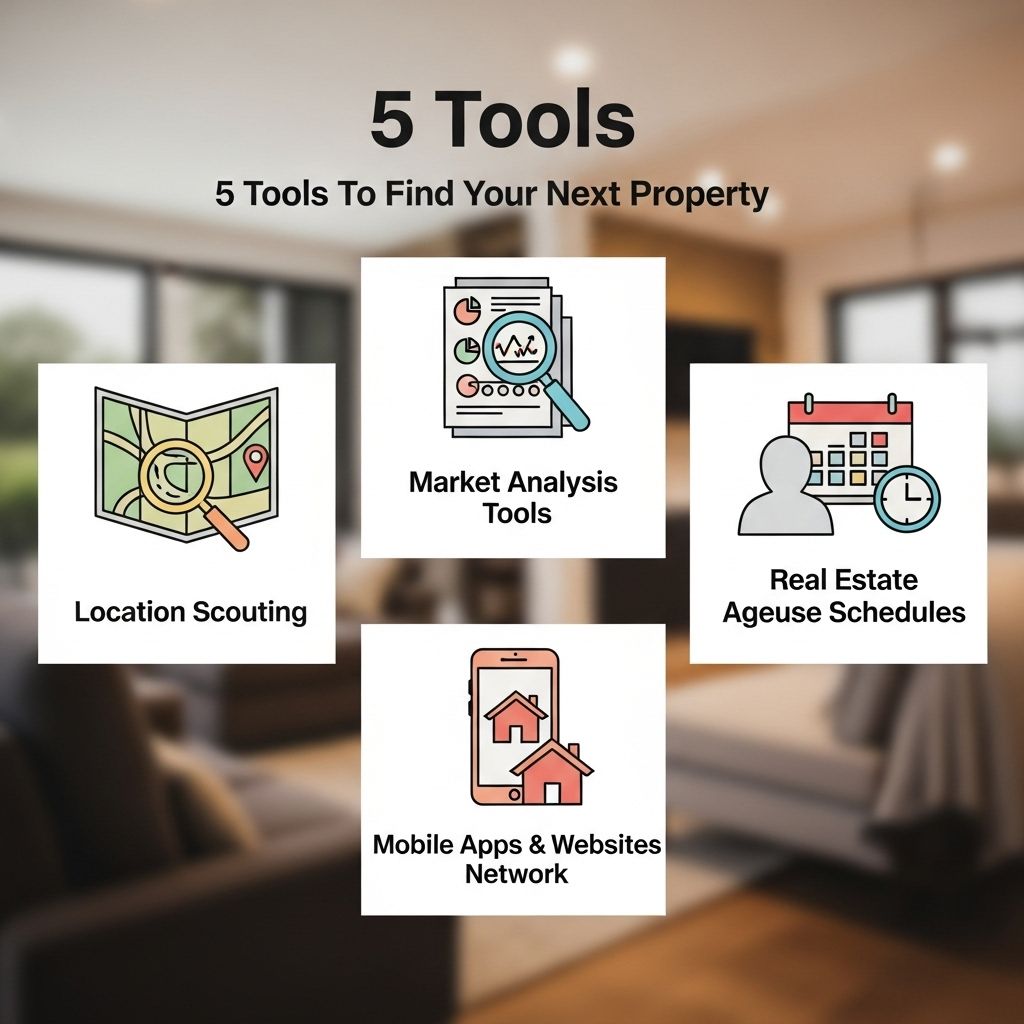
Finding the perfect property can often feel like searching for a needle in a haystack, especially in today’s ever-evolving real estate market. Whether you are a first-time buyer, seasoned investor, or someone simply looking to rent, having the right tools at your disposal can significantly streamline the process. In this article, we will explore five tools that can help you find your next property, maximizing your chances of making an informed decision.
Finding your next property can be an overwhelming task, but the right tools can simplify the process significantly. From online mapping services to financial calculators, leveraging technology is essential for making informed decisions. For a creative approach in your property branding, you might want to discover unique 3D logo examples.
Table of Contents
1. Zillow
Zillow is one of the most popular real estate platforms available, providing users with a comprehensive database of properties for sale and rent across the United States. With its user-friendly interface and extensive features, Zillow stands out as a go-to tool for many property seekers.
Key Features:
- Property Listings: Browse thousands of listings with customizable filters, such as price range, number of bedrooms, and location.
- Price Estimates: Zillow’s ‘Zestimate’ feature provides an estimated value of homes based on various data points.
- Neighborhood Insights: Access data on nearby schools, crime rates, and community amenities.
- Virtual Tours: Many listings offer 3D tours, allowing you to explore properties remotely.
2. Redfin
Redfin is a technology-powered real estate brokerage that offers unique features and tools tailored to buyers and sellers. Their platform not only lists properties but also provides real-time updates and data analytics, making it an invaluable resource for tech-savvy users.
Distinct Features:
- Real-Time MLS Updates: Get the latest property listings and price drops directly from the Multiple Listing Service (MLS).
- Customizable Search Filters: Narrow down your options with detailed criteria such as home style and lot size.
- Redfin Estimate: Similar to Zillow’s Zestimate, this feature uses recent sales data to give you an accurate home value estimate.
- Agent Support: Work with a Redfin agent who can provide personalized guidance throughout your home-buying journey.
3. Realtor.com
Realtor.com is another trusted name in real estate listings, offering extensive resources for buyers, sellers, and renters. With its strong focus on providing accurate and up-to-date information, it is a reliable tool for finding property.
Benefits of Using Realtor.com:
| Feature | Description |
|---|---|
| Map Search | Visualize property locations on an interactive map. |
| Market Trends | Stay informed about housing market trends in your desired area. |
| Mobile App | Access listings and features on-the-go through their highly rated mobile app. |
| Open House Alerts | Receive notifications for open houses in your area. |
4. Trulia
Trulia is renowned for its detailed neighborhood information and user-friendly interface. It provides users not just with listings but also insights about the area, helping buyers make well-informed decisions about where they want to live.
Noteworthy Features:
- Community Insights: Explore neighborhood-specific data, including resident reviews and local amenities.
- Crime Maps: Access crime statistics to understand safety in potential neighborhoods.
- School Ratings: Find information about nearby schools, including ratings and reviews from parents.
- Home Value Data: Track trends in home values and sales for specific neighborhoods.
5. Google Maps
While Google Maps is not a dedicated real estate tool, it is incredibly useful for property hunters looking to evaluate potential neighborhoods. Its vast array of features makes it an indispensable resource in the property search.
How to Utilize Google Maps:
- Street View: Use Street View to virtually tour neighborhoods and get a sense of the community.
- Nearby Amenities: Search for restaurants, grocery stores, schools, and parks in the vicinity of potential properties.
- Distance Measurement: Measure distances to key locations, such as workplaces or schools, to gauge commute times.
- Traffic Reports: Check real-time traffic conditions to understand local congestion patterns.
Conclusion
Securing your next property can be an overwhelming experience, but leveraging the right tools can make the journey smoother and more efficient. From comprehensive listings on Zillow and Redfin to the community insights offered by Trulia, each tool brings unique strengths to the table. Coupled with the navigational power of Google Maps, you are well-equipped to embark on a successful property search. Remember to tailor your searches based on your specific needs and preferences, and don’t hesitate to seek professional advice when needed. Happy house hunting!
FAQ
What are the best online tools for finding real estate properties?
Some of the best online tools include Zillow, Realtor.com, Trulia, Redfin, and Homes.com. These platforms provide detailed listings and various search filters to help you find your next property.
How can I use mobile apps to find properties?
Mobile apps like Zillow, Realtor.com, and Redfin offer user-friendly interfaces and location-based searches, allowing you to find properties on the go and get notifications for new listings.
Are there any tools specifically for first-time homebuyers?
Yes, tools like HomeLight and Better Mortgage can help first-time homebuyers by offering insights into the purchasing process, connecting them with agents, and providing mortgage options tailored to their needs.
What are some tools to compare property prices?
Tools like Zillow’s Zestimate, Redfin’s home value estimator, and Realtor.com’s Market Trends feature can help you compare property prices in different neighborhoods and assess market conditions.
How can I find investment properties using online tools?
Websites like LoopNet, Roofstock, and BiggerPockets are designed for investors. They offer listings of investment properties along with market analysis and financial metrics.
What role do social media platforms play in finding properties?
Social media platforms like Facebook Marketplace and Instagram can be useful for finding properties, as many real estate agents and sellers post listings directly on these sites, often with visual content.