Unlock AI Art: Make Money in 2025
Discover how to monetize AI art in 2025 with innovative strategies and insights for artists and entrepreneurs.
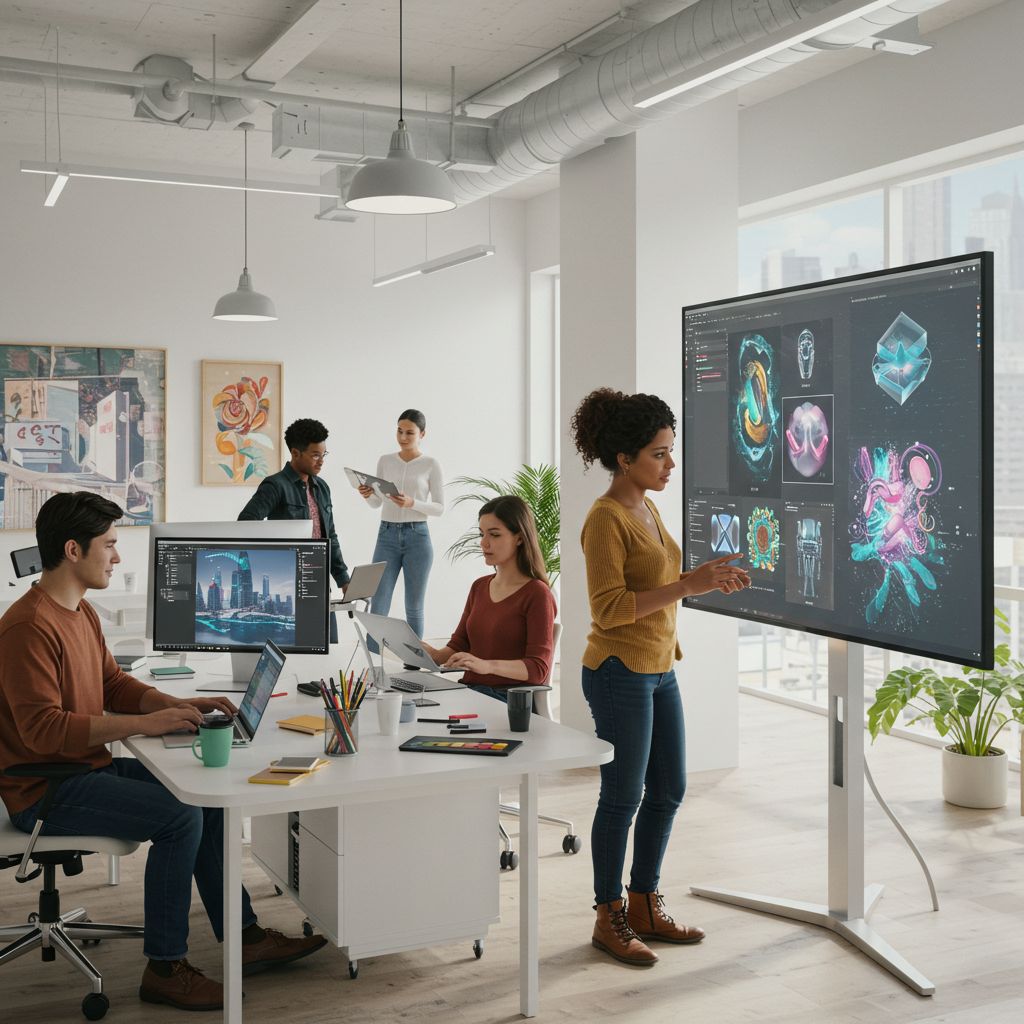
Artificial intelligence (AI) is revolutionizing various industries, and the art world is no exception. As we approach 2025, the intersection of technology and creativity is creating new opportunities for artists and entrepreneurs alike. This article delves into how individuals can leverage AI art to generate income, understand the evolving landscape of digital artistry, and navigate the platforms that are defining this new frontier.
As we step into 2025, the world of AI art presents exciting opportunities for creative entrepreneurs. By leveraging innovative tools and techniques, you can unlock a new stream of income through stunning designs like those found in 3D logos. Explore how to monetize your artistic skills and discover unique 3D logo examples to inspire your journey.
The Rise of AI in the Art World
AI-generated art has gained prominence in recent years, thanks to advancements in machine learning algorithms and neural networks. Artists and technologists are collaborating to create stunning pieces that challenge traditional notions of creativity and authorship. Key developments include:
- Generative Adversarial Networks (GANs): These algorithms can create incredibly detailed images by analyzing vast datasets of existing artwork.
- Style Transfer: This technique allows AI to apply the aesthetic style of one image to another, enabling unique combinations.
- Interactive Art: AI can engage viewers in real-time, responding to their movements or choices, creating a more immersive experience.
Monetizing AI Art in 2025
As AI art continues to evolve, so too do the methods for monetizing it. Here are several approaches individuals can take to capitalize on this trend:
1. Selling Digital Artworks
Artists can create and sell unique AI-generated pieces as digital downloads or prints. Here are some platforms to consider:
| Platform | Features | Commission Rate |
|---|---|---|
| Saatchi Art | Global audience, print-on-demand options | 30% |
| ArtStation | Portfolio showcase, marketplace for digital art | 5-30% |
| Etsy | Customizable storefronts, large user base | 5% |
2. Creating NFTs
Non-fungible tokens (NFTs) have transformed the way digital art is bought and sold. Artists can mint their AI creations as NFTs on blockchain platforms. Key considerations include:
- Choose the Right Marketplace: Platforms like OpenSea, Rarible, and Foundation cater specifically to digital art.
- Understand Gas Fees: Transactions on the blockchain require fees, commonly known as gas fees, which can fluctuate based on network congestion.
- Build a Community: Engage with potential buyers and fellow artists on social media to create buzz around your work.
3. Collaborating with Brands
Brands are increasingly turning to AI artists for unique marketing campaigns. Here’s how to make the most of these partnerships:
- Networking: Attend industry events and join online communities to connect with brand representatives.
- Portfolio Development: Showcase your best work that aligns with brand aesthetics to attract attention.
- Pitch Ideas: Don’t hesitate to propose creative concepts that leverage AI art for brand storytelling.
The Technology Behind AI Art
Understanding the technology behind AI art can empower artists to create more effectively and innovate. Here are some popular tools and platforms:
1. DeepArt
DeepArt uses neural networks to transform your photos into artworks inspired by famous artists. It’s user-friendly and allows customization of styles.
2. Runway ML
This platform offers a suite of AI tools for artists, including video and image generation capabilities. It is ideal for those looking to integrate AI into multimedia projects.
3. DALL-E
DALL-E is an AI model from OpenAI that can generate images from textual descriptions, allowing for limitless creative possibilities. Users can experiment with prompts to achieve desired aesthetics.
Legal Considerations in AI Art
As you venture into AI art, understanding the legal landscape is crucial. Here are some key points to keep in mind:
- Copyright: Determine ownership rights for AI-generated works. Depending on the jurisdiction, the creator of the AI or the user may have rights.
- Licensing: If you use existing works to train your AI, ensure you have the appropriate licenses to avoid infringement.
- Terms of Service: Read the terms of service of any platform you use to understand how your works are protected and what rights you may be giving up.
Future Trends in AI Art
As technology continues to advance, here are some trends to watch in the AI art space:
- Increased Personalization: AI will be able to create artworks tailored to individual tastes based on data analytics.
- Interactive Exhibitions: Museums and galleries will adopt AI to create interactive art experiences that engage visitors on a deeper level.
- Collaborative AI Art: Expect to see more projects where human artists and AI systems co-create, blending the best of both worlds.
Final Thoughts
The potential for monetizing AI art in 2025 is vast, as technology continues to bridge creativity and innovation. By understanding the tools, platforms, and legal considerations, artists can carve out a niche in this dynamic field. Whether selling digital works, creating NFTs, or collaborating with brands, the opportunities are ripe for those willing to adapt and experiment. Embrace the future of art and technology, and unlock the potential of AI in your creative journey.
FAQ
What is AI art and how can I make money from it?
AI art refers to artworks created with the assistance of artificial intelligence algorithms. You can make money by selling AI-generated art online, offering commissions, or licensing your art for commercial use.
What platforms can I use to sell AI-generated art?
You can sell AI-generated art on platforms like Etsy, Redbubble, or ArtStation, as well as through your own website or social media channels.
Do I need special software to create AI art?
While some AI art can be created using specialized software, many platforms offer user-friendly tools that require no prior experience. Some popular options include DALL-E, DeepArt, and Artbreeder.
Is it legal to sell AI-generated art?
Yes, it is generally legal to sell AI-generated art, but it’s important to understand the terms of service for the AI tools you use and ensure that you have the rights to the images created.
What are the trends in AI art for 2025?
In 2025, expect to see more personalized AI art, collaborations between artists and AI, and increased use of AI in interactive and immersive art experiences.
How can I market my AI art effectively?
You can market your AI art effectively by leveraging social media, building an online portfolio, engaging with art communities, and using SEO strategies to increase visibility on search engines.