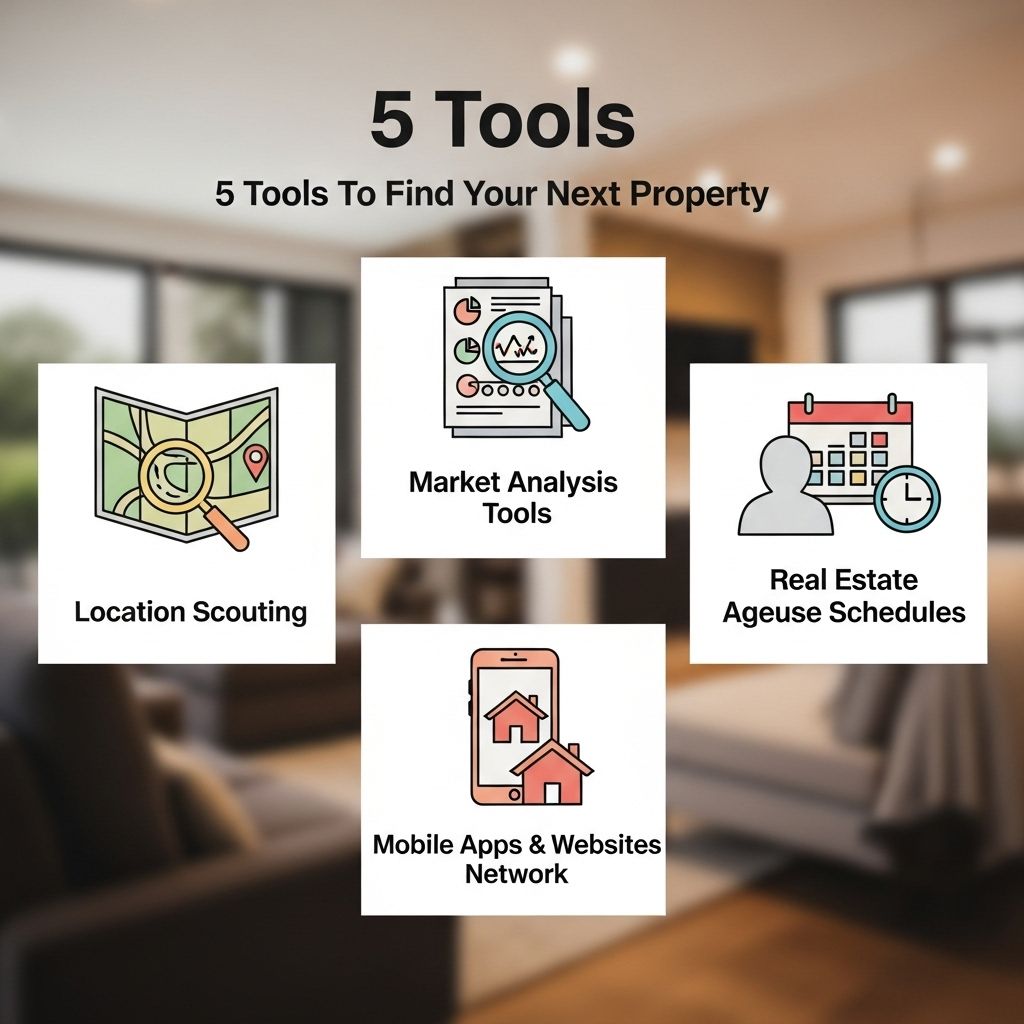
Top 5 Tools for Real Estate Success
Discover the top 5 essential tools that can elevate your real estate success and streamline your business operations.

The real estate industry has transformed dramatically in recent years, thanks to the advent of technology. Real estate professionals are now equipped with powerful tools that streamline processes, enhance communication, and improve client satisfaction.
In the competitive world of real estate, leveraging the right tools can make all the difference in achieving success. From effective marketing to enhanced client engagement, the top tools streamline processes and elevate presentations. For example, see how to use 3D mockups effectively to showcase properties in a captivating way.
Table of Contents
The Importance of Technology in Real Estate
In today’s fast-paced environment, leveraging technology is no longer optional; it’s essential. From virtual tours to automated marketing, technology allows agents to work more efficiently and effectively. Here are some key reasons why real estate professionals should embrace tech tools:
- Increased Efficiency: Automation saves time on repetitive tasks.
- Enhanced Marketing: Digital tools enable more targeted outreach.
- Better Client Engagement: Improved communication channels foster relationships.
- Data-Driven Decisions: Access to analytics allows for informed choices.
Top Tools for Real Estate Professionals
1. CRM Software
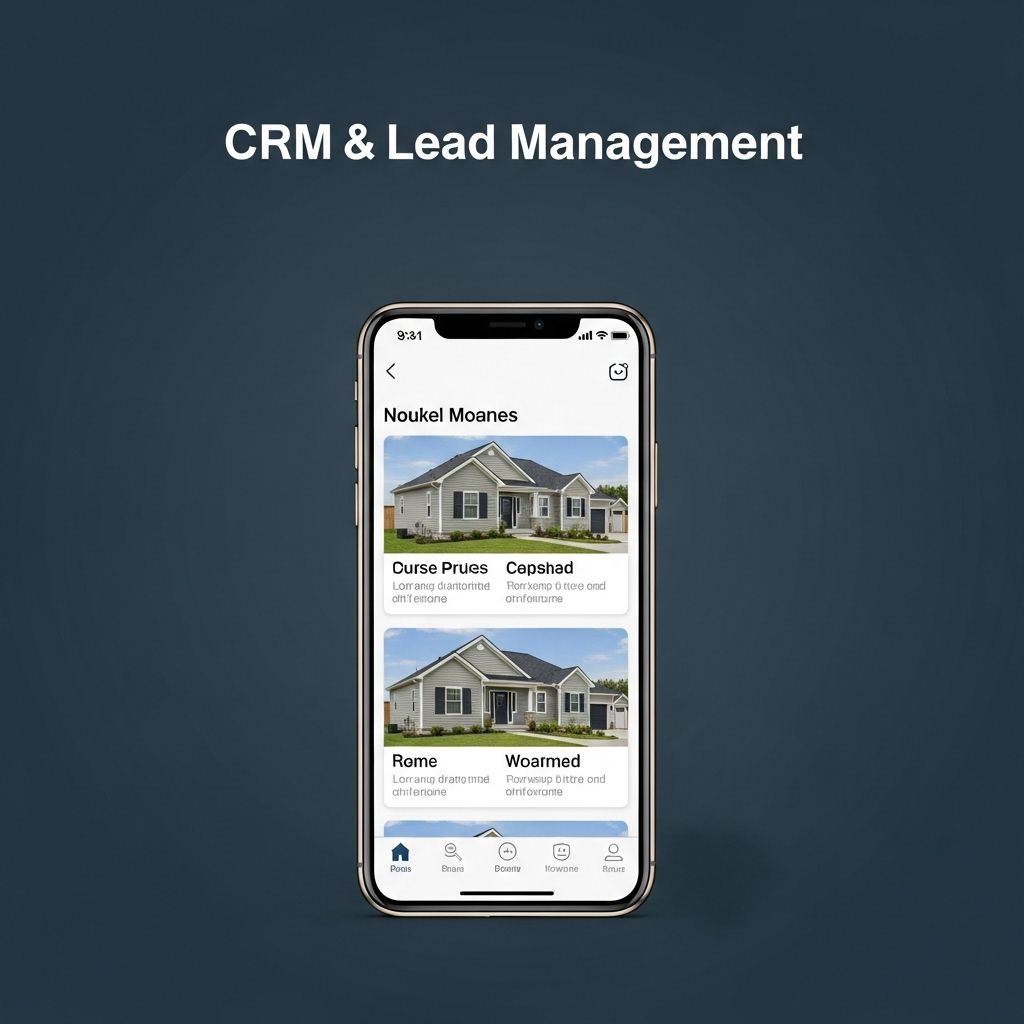
A reliable Customer Relationship Management (CRM) system is crucial for managing client relationships and interactions. It helps real estate agents organize their contacts and track communications effectively.
Key Features to Look For:
- Contact Management: Easily store and access client information.
- Automated Follow-Ups: Schedule reminders for follow-ups to stay in touch.
- Integration Capabilities: Seamless integration with other tools.
Popular CRM options include:
| CRM Tool | Key Features | Pricing |
|---|---|---|
| HubSpot | Customizable dashboards, email templates | Free for basic, paid plans start at $45/month |
| Salesforce | Extensive integrations, powerful analytics | Starts at $25/user/month |
| Follow Up Boss | Lead management, mobile app | Starts at $69/month |
2. Virtual Tour Software
With the rise of remote viewings, virtual tour software has become a game-changer. Agents can now showcase listings to potential buyers without the need for physical visits.
Features to Consider:
- 360-Degree Views: Create immersive experiences for viewers.
- Interactive Floor Plans: Allow users to navigate easily.
- Easy Sharing Options: Share tours via links or social media.
Leading virtual tour software includes:
| Software | Key Features | Pricing |
|---|---|---|
| Matterport | High-quality 3D capture, analytics | Plans start at $69/month |
| Kuula | Easy editing, social media sharing | Free for basic, paid plans start at $15/month |
| EyeSpy360 | Live video tours, virtual staging | Starting at $29/month |
3. Marketing Automation Tools
Marketing automation tools help real estate agents manage their marketing campaigns more effectively and efficiently. These tools can automate many aspects of the marketing process, from email campaigns to social media posts.
Must-Have Features:
- Email Marketing: Schedule and send automated email campaigns.
- Lead Scoring: Identify the most promising leads.
- Analytics Reporting: Track the success of campaigns.
Some popular marketing automation tools are:
| Tool | Main Features | Pricing |
|---|---|---|
| Mailchimp | Email templates, analytics | Free for basic, paid plans start at $11/month |
| ActiveCampaign | Advanced segmentation, CRM integration | Starting at $9/month |
| Constant Contact | Email marketing, social media tools | Starting at $20/month |
4. Real Estate Market Analysis Tools
Understanding market trends and data is essential for making informed decisions. Market analysis tools provide agents with the data they need to guide buyers and sellers.
Essential Features:
- Market Reports: Get insights into local market conditions.
- Comparative Market Analysis (CMA): Evaluate property values.
- Historical Data Tracking: Analyze trends over time.
Useful market analysis tools include:
| Tool | Key Features | Pricing |
|---|---|---|
| Zillow | Market insights, property values | Free |
| Realtor.com | Market statistics, neighborhood insights | Free |
| Redfin | Market data, home value estimates | Free |
5. Transaction Management Software
Transaction management software streamlines the entire real estate transaction process, from offer to closing. This tool helps agents keep documents organized, track deadlines, and ensure compliance.
Key Features to Evaluate:
- Document Management: Store and manage all paperwork electronically.
- Task Management: Assign tasks and deadlines to team members.
- E-signatures: Facilitate faster document signing.
Notable transaction management tools are:
| Tool | Main Features | Pricing |
|---|---|---|
| Dotloop | E-signatures, document storage | Starting at $20/month |
| DocuSign | Secure e-signature solutions | Plans start at $10/month |
| TransactionDesk | Compliance checks, document management | Starting at $25/month |
Conclusion
Success in the real estate field heavily relies on leveraging technology to enhance productivity and client satisfaction. The tools outlined above serve as vital components for any real estate professional looking to thrive in a competitive market. By embracing these technologies, agents can streamline their operations, improve their marketing strategies, and ultimately achieve greater success in their careers.
FAQ
What are the top tools for real estate agents?
The top tools for real estate agents include CRM software like HubSpot, property management platforms such as AppFolio, marketing tools like Canva, listing services like Zillow, and analytics tools such as Google Analytics.
How can CRM software benefit real estate professionals?
CRM software helps real estate professionals manage client relationships, track leads, and automate follow-up communications, resulting in increased efficiency and improved client satisfaction.
What is the importance of property management software in real estate?
Property management software streamlines operations, simplifies tenant communication, and automates rent collection, making it essential for landlords and property managers to enhance efficiency and tenant satisfaction.
How can marketing tools help in real estate?
Marketing tools assist real estate agents in creating visually appealing listings, managing social media campaigns, and designing advertising materials to effectively reach potential buyers and sellers.
Why is data analytics important for real estate success?
Data analytics provides real estate professionals with insights into market trends, customer behavior, and property performance, allowing them to make informed decisions and stay competitive in the market.