Create a Stunning Portfolio: Tips & Tricks
Discover expert tips to create a stunning portfolio that showcases your skills and attracts potential clients or employers in just a few simple steps.

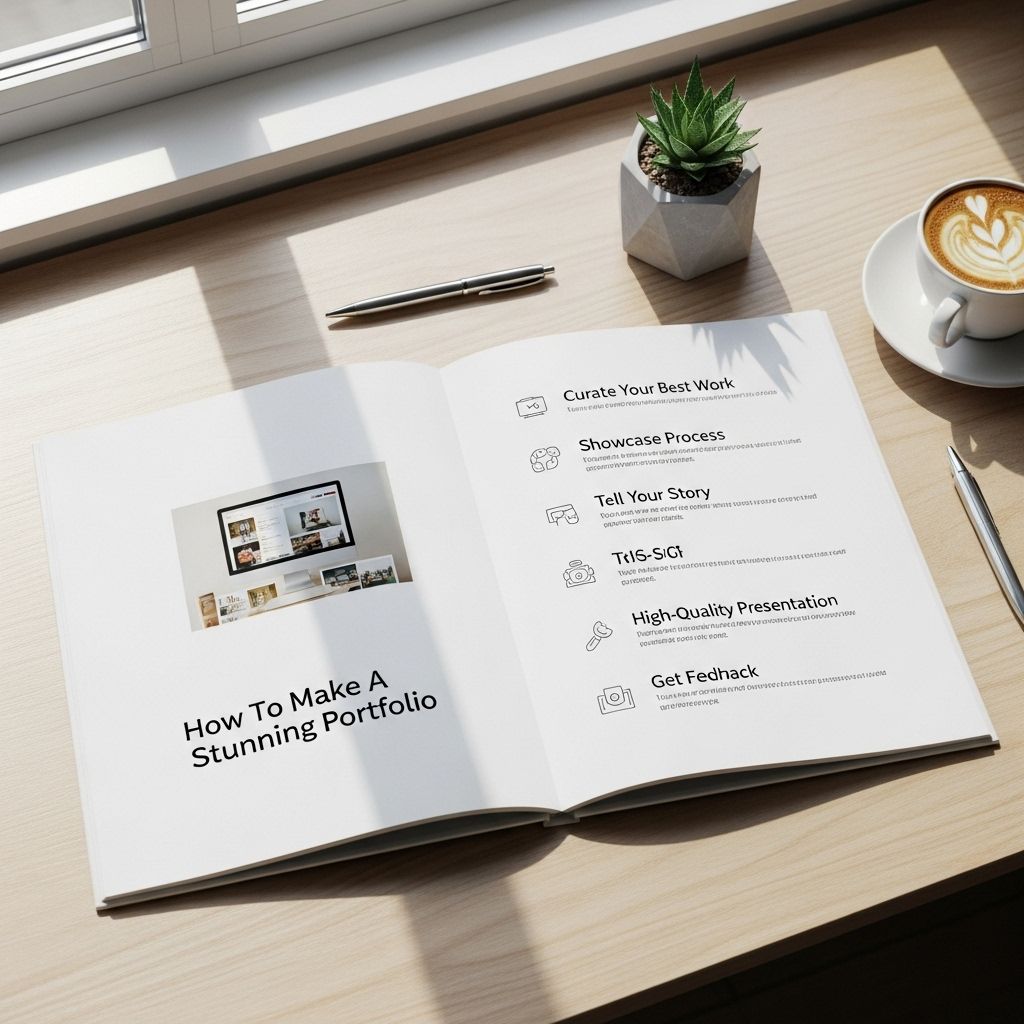
In today’s competitive job market, having a standout portfolio is essential for showcasing your skills, experience, and personality. Whether you’re a designer, developer, writer, or any type of creative professional, a well-crafted portfolio can make a significant difference in how potential clients or employers perceive you. In this article, we’ll explore the key components of a stunning portfolio, offering tips and examples to guide you in creating your own.
Creating a stunning portfolio is essential for showcasing your skills and attracting potential clients. By incorporating high-quality visuals, such as 3D logo mockups, you can effectively highlight your design capabilities and enhance your overall presentation. For a great selection, be sure to explore our 3D logo mockups.
Table of Contents
Understanding Your Audience
Before diving into the design and content of your portfolio, it’s crucial to understand who will be viewing it. Different audiences have varying expectations and preferences. Here are some considerations:
- Industry Standards: Different industries may have unique styles or formats that are well-received. Research portfolios in your field.
- Target Role: Tailor your portfolio to align with the job you’re seeking or the clients you want to attract.
- User Experience: Consider how easy it is for your audience to navigate and understand your portfolio.
Key Elements of a Portfolio
1. A Strong Introduction
Your introduction sets the tone for your portfolio. It should include:
- Your name and title.
- A brief overview of your skills and experiences.
- A personal touch that reflects your personality or values.
2. Showcase Your Work
The core of your portfolio is your work samples. Here’s how to present them effectively:
- Select Wisely: Choose pieces that best represent your skills. Quality over quantity is key.
- Write Descriptions: For each piece, include:
| Component | Description |
|---|---|
| Context | Explain the brief or problem you were addressing. |
| Your Role | Clarify what part you played in the project. |
| Outcome | Provide results, feedback, or metrics, if applicable. |
3. Personal Projects and Hobbies
Including personal projects can showcase your passion and creativity. Consider adding:
- Side projects that align with your professional skills.
- Hobbies that reflect your personality, creativity, or interests.
4. Testimonials
Testimonials from colleagues, clients, or mentors can add credibility to your portfolio. Ensure these are:
- Relevant to your work.
- Authentic and genuine.
Designing Your Portfolio
Choosing a Format
Your portfolio can be presented in various formats, including:
- Website: An online portfolio allows for interactivity and accessibility.
- PDF: A downloadable PDF can be easily shared but lacks interactivity.
- Physical Portfolio: A physical book can be useful for in-person meetings.
Visual Aesthetics
Design is paramount in a portfolio. Here are some tips:
- Consistency: Use a cohesive color scheme and typography throughout.
- White Space: Ensure your designs breathe to avoid overwhelming viewers.
- Responsive Design: If it’s online, ensure it looks good on all devices.
Optimizing for Discoverability
SEO Basics
If your portfolio is hosted online, SEO (Search Engine Optimization) is essential for discoverability. Consider:
- Using relevant keywords throughout your content.
- Optimizing images with alt text and appropriate file sizes.
- Creating a blog or updates section to keep content fresh.
Promoting Your Portfolio
Once your portfolio is ready, it’s time to promote it. Strategies include:
- Social Media: Share your work on platforms like Behance, LinkedIn, or Instagram.
- Networking: Attend industry events and share your portfolio with potential clients.
- Email Signature: Include a link to your portfolio in your email signature for maximum exposure.
Maintaining Your Portfolio
A portfolio is a living document that requires regular updates. Here’s how to keep it relevant:
- Regular Review: Set a schedule to review and update your portfolio every few months.
- Remove Old Work: Eliminate outdated projects that no longer reflect your current skill level.
- Add New Work: Continuously add new projects or experiences that enhance your portfolio.
Final Thoughts
Creating a stunning portfolio is an ongoing process that adapts as you grow in your career. By understanding your audience, showcasing your best work, designing with care, and promoting effectively, you can create a portfolio that not only impresses but also opens doors to new opportunities. Remember, your portfolio is a reflection of you, so invest the time to make it truly exceptional.
FAQ
What are the essential elements of a stunning portfolio?
A stunning portfolio should include a clear introduction, a showcase of your best work, detailed descriptions for each project, your resume or CV, and contact information.
How can I showcase my unique style in my portfolio?
To showcase your unique style, curate your best work that reflects your personality, use a consistent layout and color scheme, and include personal projects that highlight your creativity.
What format should I use for my portfolio?
You can choose between a digital portfolio, a physical portfolio, or a combination of both. Digital portfolios are often more accessible and can be easily shared online.
How often should I update my portfolio?
You should update your portfolio regularly, ideally every six months, to include new projects, skills, and experiences that reflect your growth.
Can I include personal projects in my portfolio?
Yes, including personal projects in your portfolio can demonstrate your passion, creativity, and skills beyond client work, making your portfolio more well-rounded.
What should I avoid when creating my portfolio?
Avoid clutter, irrelevant work, and overly complex designs. Focus on quality over quantity and ensure your portfolio is easy to navigate.