5 Proven Tools for Mastering Self Discipline
Discover 5 effective tools to enhance your self-discipline and achieve your goals. Boost your productivity and stay focused with these practical strategies.

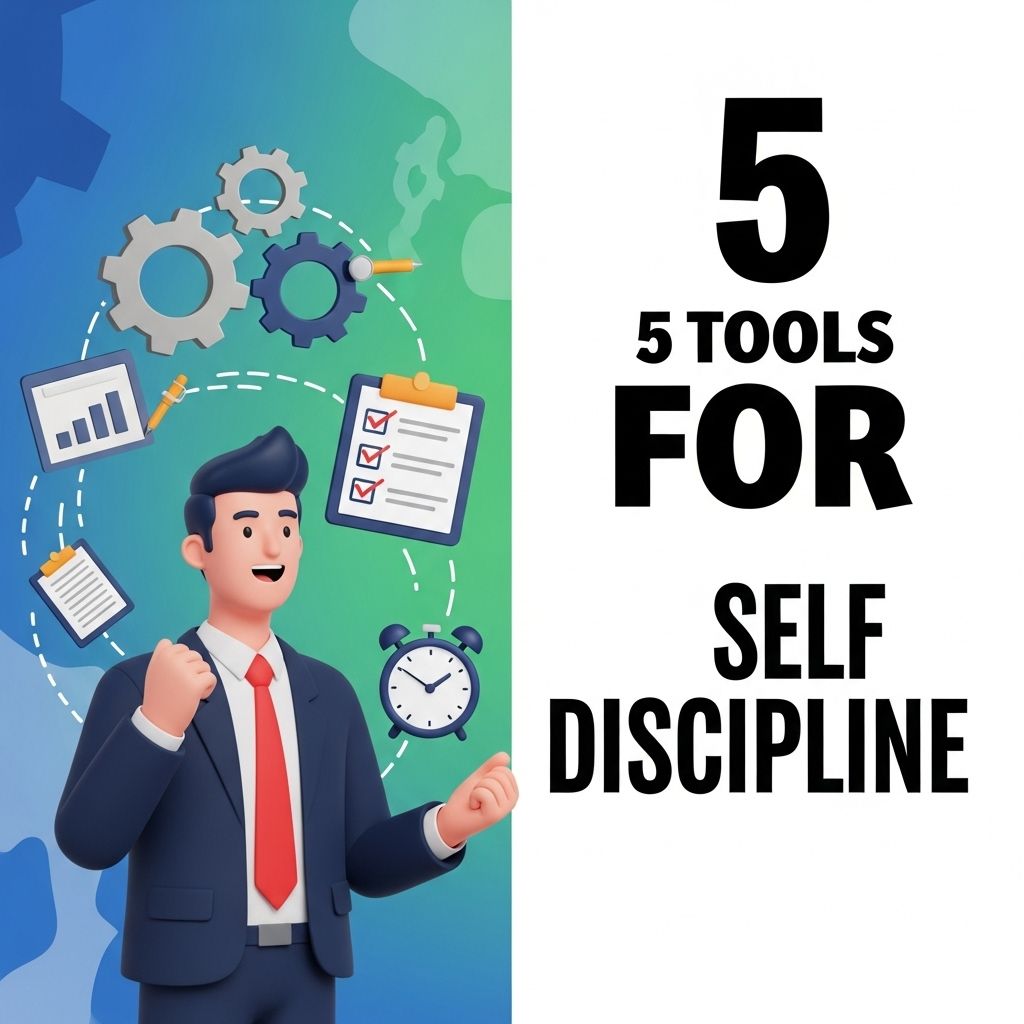
In an increasingly distraction-filled world, self-discipline has become an essential skill for achieving personal and professional success. Harnessing the right tools can significantly enhance your ability to stay focused, accomplish your goals, and maintain a balanced lifestyle. This article delves into five proven tools that can help you cultivate self-discipline, making it easier to stick to your commitments and boost your productivity.
Mastering self-discipline is crucial for achieving personal and professional goals. By utilizing proven tools and strategies, you can enhance your ability to stay focused and committed to your objectives. For instance, see how to use 3D mockups effectively to facilitate your creative process and encourage a disciplined approach to your projects.
Table of Contents
1. Digital Habit Trackers
Digital habit trackers are applications or software designed to help you monitor and manage your daily habits. They provide insights into your progress, allowing you to see patterns and make adjustments as needed. Here are some popular options:
- Habitica: This gamified app turns your tasks into a role-playing game (RPG), providing rewards for completing tasks.
- Strides: A versatile app that allows you to set goals and track your progress through customizable templates.
- Todoist: While primarily a task manager, it features habits tracking capabilities that help you stay disciplined.
Benefits of Digital Habit Trackers
Using a digital habit tracker can lead to:
- Improved accountability for your goals.
- Visual representations of progress, increasing motivation.
- A structured approach to building and maintaining habits.
2. Pomodoro Technique Apps
The Pomodoro Technique is a time management method that breaks work into intervals, traditionally 25 minutes in length, separated by short breaks. This technique can help you stay focused and maintain self-discipline over extended periods. Some popular Pomodoro apps include:
- Focus@Will: This app combines music with timers to enhance focus during work sessions.
- Forest: An engaging app that encourages you to stay off your phone while you grow a virtual tree.
- Tomato Timer: A simple, web-based timer that you can customize to fit your Pomodoro sessions.
How to Implement the Pomodoro Technique
To effectively use the Pomodoro Technique, follow these steps:
- Select a task you want to work on.
- Set your timer for 25 minutes.
- Work on the task until the timer goes off.
- Take a 5-minute break after each session.
- After four sessions, take a longer break (15-30 minutes).
3. Focus and Productivity Tools
Today’s digital landscape is rife with distractions, making it crucial to use tools that promote focus and productivity. Here are some recommended tools:
| Tool | Description |
|---|---|
| Freedom: | Blocks distracting websites and apps across multiple devices to help you focus better. |
| Cold Turkey: | Allows you to block websites and applications for a specified period, enforcing discipline. |
| StayFocusd: | A browser extension that limits the time you can spend on distracting sites. |
Establishing a Distraction-Free Environment
In addition to using productivity tools, consider these strategies to create a distraction-free environment:
- Set specific work hours to minimize interruptions.
- Designate a quiet, clutter-free workspace.
- Communicate your schedule to others to reduce disturbances.
4. Goal Setting and Planning Tools
Effective self-discipline requires clear goals and a well-structured plan. Here are some tools to help you set, track, and achieve your goals:
- Asana: A project management tool that helps you track tasks, deadlines, and progress.
- Trello: A visual tool that uses boards to organize tasks and projects in a flexible manner.
- Notion: Combines note-taking, task management, and collaboration in one place, allowing for customizable workflows.
Creating SMART Goals
When setting your goals, consider using the SMART criteria:
- S: Specific – Clearly define what you want to achieve.
- M: Measurable – Quantify your progress to monitor success.
- A: Achievable – Ensure your goals are realistic and attainable.
- R: Relevant – Align your goals with your broader life objectives.
- T: Time-bound – Set a deadline to create a sense of urgency.
5. Mindfulness and Meditation Apps
Practicing mindfulness and meditation can significantly support self-discipline by promoting focus and reducing stress. Here are some popular apps:
- Headspace: Offers guided meditations and mindfulness practices tailored for different experience levels.
- Calm: Provides a variety of guided sessions, sleep stories, and relaxation music.
- Insight Timer: A free app that features thousands of guided meditations from various teachers worldwide.
Integrating Mindfulness into Your Routine
To reap the benefits of mindfulness, consider incorporating the following practices into your daily routine:
- Start your day with a short meditation session.
- Practice mindful breathing during breaks to reset your focus.
- Engage in mindful activities, such as walking or eating, to enhance awareness.
Conclusion
Developing self-discipline is a journey that requires consistent effort and the right tools. By leveraging digital habit trackers, Pomodoro technique apps, productivity tools, goal-setting applications, and mindfulness resources, you can strengthen your self-discipline over time. Remember that building self-discipline is not about perfection but about progress; every small step you take counts towards your long-term success.
FAQ
What are some effective tools for improving self-discipline?
Some effective tools for improving self-discipline include habit tracking apps, time management planners, accountability partners, meditation and mindfulness practices, and goal-setting frameworks like SMART goals.
How can habit tracking apps help with self-discipline?
Habit tracking apps help with self-discipline by allowing users to monitor their progress, establish routines, and stay motivated through visual representations of their achievements.
What is the role of time management planners in developing discipline?
Time management planners assist in developing discipline by helping individuals prioritize tasks, allocate time effectively, and create structured daily schedules to minimize procrastination.
Why is having an accountability partner important for self-discipline?
Having an accountability partner is important for self-discipline because they provide support, encouragement, and a sense of responsibility, making it easier to stay committed to goals.
How can mindfulness practices enhance self-discipline?
Mindfulness practices enhance self-discipline by increasing awareness of thoughts and impulses, allowing individuals to make more intentional choices rather than reacting impulsively.
What are SMART goals and how do they contribute to self-discipline?
SMART goals are Specific, Measurable, Achievable, Relevant, and Time-bound objectives that contribute to self-discipline by providing clear targets and a structured approach to achieving them.