5 Powerful Hooks to Captivate Readers and Boost Engagement
Discover 5 powerful hooks to captivate your readers and keep them engaged. Learn how to enhance your writing with these effective techniques.
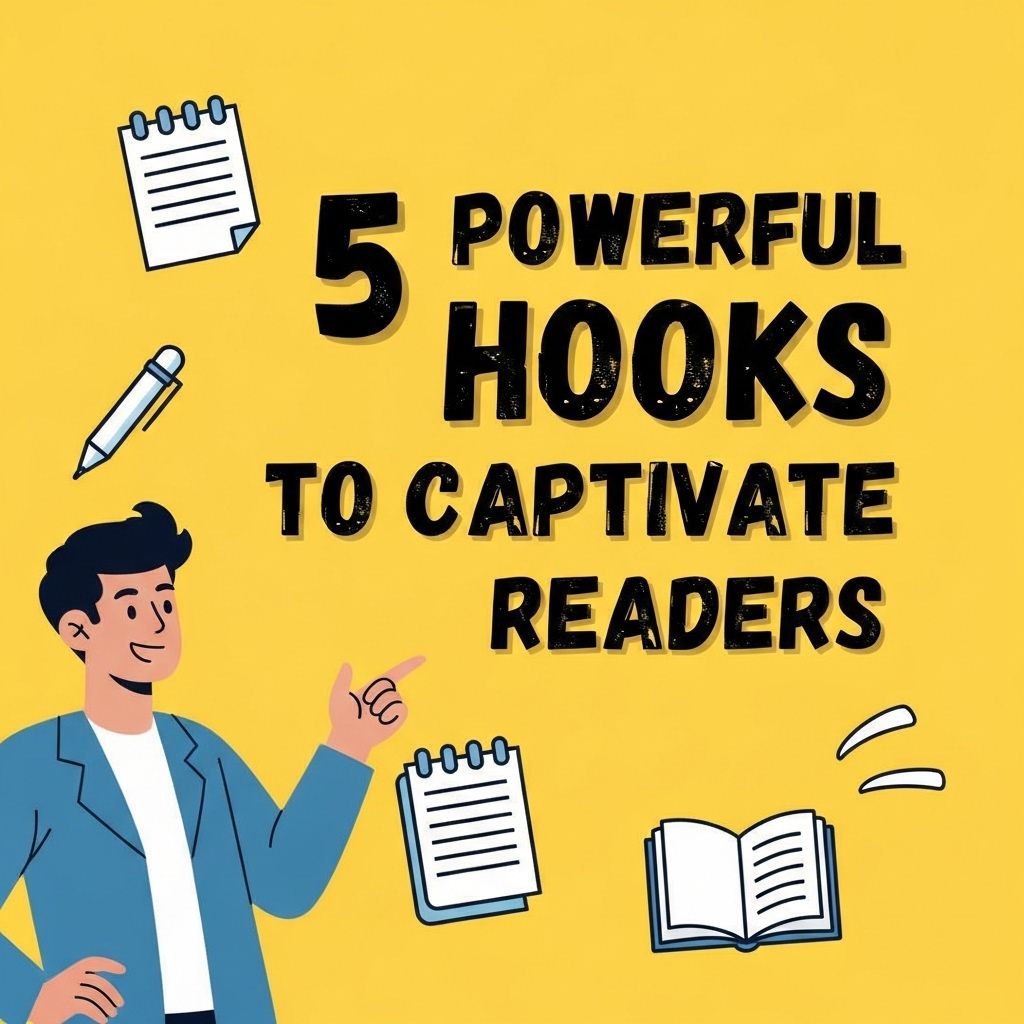
In the ever-evolving landscape of digital content, capturing the attention of readers is more crucial than ever. With countless articles, blogs, and social media posts vying for attention, it’s important to employ effective strategies that resonate with your audience. This article explores five powerful hooks to captivate readers, ensuring your content not only stands out but also keeps them engaged from the very first sentence.
Crafting compelling content hinges on the ability to capture your audience’s attention right from the start. Incorporating hooks—strategic elements designed to engage readers—can dramatically enhance your writing. For instance, consider how a visually striking logo can draw interest; view the latest logo mockup designs to inspire your creativity.
Understanding the Importance of a Hook
A hook serves as the initial point of attraction for your content. It is that irresistible line or idea that piques curiosity, encouraging readers to dive deeper into the article. An effective hook can:
- Draw readers in immediately.
- Establish a connection with the audience.
- Set the tone and theme for the rest of the content.
- Encourage sharing and discussion.
By leveraging powerful hooks, you can significantly enhance the engagement levels of your writing. Let’s explore five types of hooks that can elevate your content and captivate your readers.
1. The Question Hook
Starting with a provocative question can spark curiosity and invite readers to ponder the answer as they continue reading. This approach encourages active thinking and engagement.
Examples:
- “Have you ever wondered why some people seem to achieve success effortlessly?”
- “What if the key to happiness was hidden in your daily routine?”
When using a question hook, ensure that the question is relevant to your topic and encourages the reader to think critically about the subject matter. This sets the stage for a meaningful exploration within your article.
2. The Shocking Statistic Hook
Presenting a surprising statistic can grab your readers’ attention and highlight the relevance of your topic. This type of hook can be particularly effective in research-based or informative articles.
Examples:
“Did you know that over 70% of content creators struggle to find their audience?”
“Research shows that 68% of consumers prefer to read articles over advertisements.”
By incorporating a shocking statistic, you not only capture attention but also establish credibility and set the urgency of the discussion.
Tips for Using Statistics:
- Ensure the statistic is accurate and sourced.
- Explain its significance in the context of your topic.
- Use visuals like graphs or tables to enhance understanding.
3. The Anecdote Hook
Sharing a relatable story or personal experience at the beginning of your article can create an emotional connection with your audience. This storytelling technique helps humanize your content and draws readers in.
Structure of a Good Anecdote:
- Start with a brief introduction to the characters or situation.
- Establish a conflict or challenge relevant to your topic.
- Conclude with a lesson or insight that ties back to your main theme.
For instance, you could begin with a story about a challenge you faced in your career and how it inspired you to explore the topic at hand. This approach encourages readers to relate to your experiences and fosters a stronger connection to your content.
4. The Quote Hook
Starting with a powerful quote can lend authority and context to your article. Quotes from well-known figures or respected experts in your field can establish credibility and encourage readers to reflect on the message.
Examples of Effective Quotes:
“The only limit to our realization of tomorrow will be our doubts of today.” – Franklin D. Roosevelt
“Innovation distinguishes between a leader and a follower.” – Steve Jobs
When using quotes, ensure they are relevant to your topic and resonate with your audience. Provide context or analysis to help readers understand the quote’s significance within your article.
5. The Vivid Description Hook
Utilizing descriptive language to paint a vivid picture can immediately immerse readers in your narrative. This technique can be especially powerful for creative writing, travel blogs, or any content aimed at evoking strong imagery.
Example of Vivid Description:
“Imagine standing at the edge of a cliff, the sun setting over a vast ocean, waves crashing against the rocks below, while the salty breeze kisses your skin. This moment of serenity can be found when you…”
A vivid description can stimulate the reader’s senses and transport them into the scene you are describing, making them more likely to continue reading.
Conclusion
Captivating your readers begins with a strong hook that grabs their attention and keeps them engaged. By incorporating a thoughtful question, a surprising statistic, a relatable anecdote, a powerful quote, or vivid descriptions, you can enhance the quality of your content and foster a deeper connection with your audience. Remember, the right hook can make all the difference in ensuring your message resonates and leaves a lasting impression.
Final Thought:
Experiment with different types of hooks to discover what resonates best with your style and audience. Engaging readers from the outset is not just about attracting attention; it’s about creating a meaningful conversation that encourages readers to return for more.
FAQ
What are hooks in writing?
Hooks are compelling sentences or phrases that grab the reader’s attention and entice them to continue reading.
Why are hooks important for captivating readers?
Hooks are crucial as they create an immediate connection, spark curiosity, and encourage readers to engage with the content.
What are some examples of effective hooks?
Examples of effective hooks include intriguing questions, shocking statistics, powerful quotes, vivid imagery, or personal anecdotes.
How can I create a powerful hook for my writing?
To create a powerful hook, consider your audience, brainstorm intriguing ideas, and use strong language that evokes emotion or curiosity.
Should hooks change based on the writing genre?
Yes, hooks should be tailored to fit the genre, as different styles of writing resonate with different audiences.
Can a hook be used in different types of content?
Absolutely, hooks can be effectively used in various types of content, including blog posts, articles, essays, and even social media posts.