10 Minimal Website Design Ideas for 2025
Explore the top 10 minimal website design ideas for 2025 that will enhance user experience and aesthetics. Perfect for modern brands.

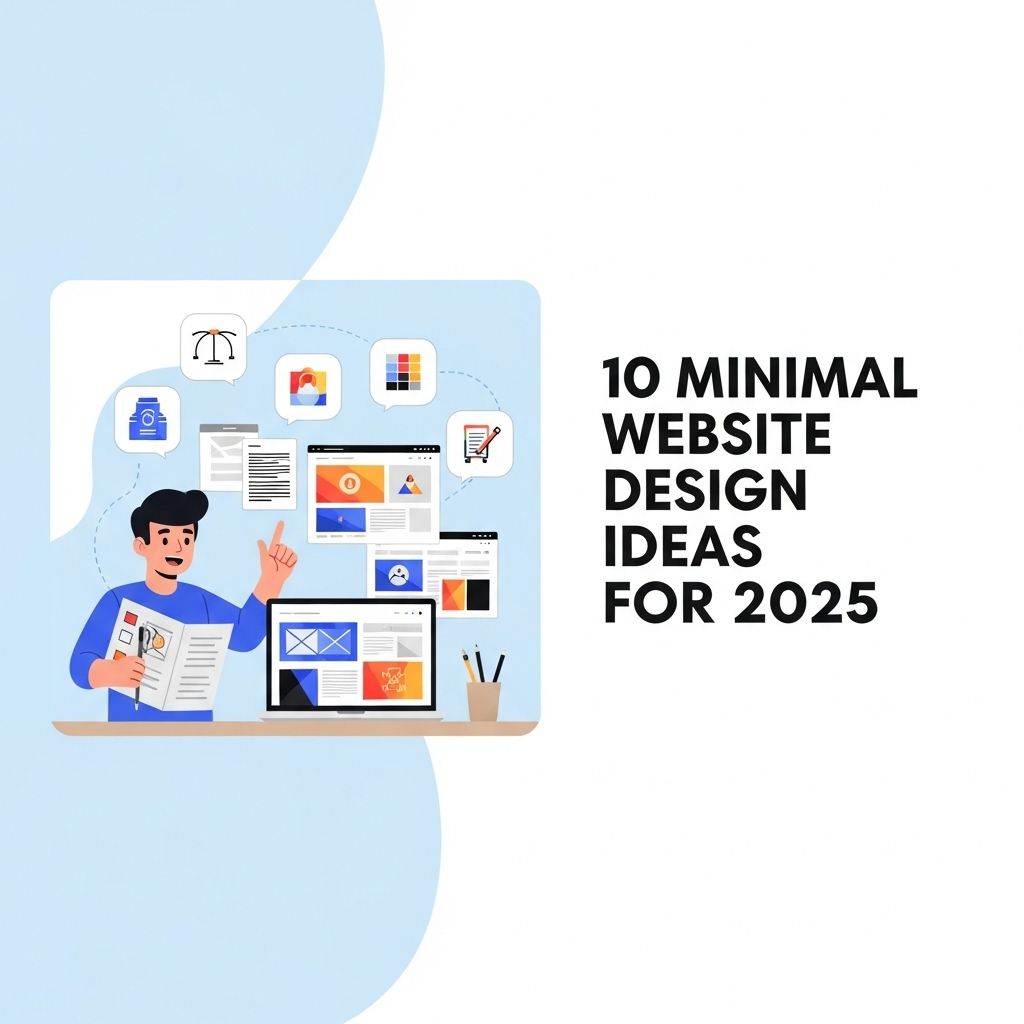
As we approach the year 2025, the digital landscape continues to evolve rapidly, demanding fresh and innovative design approaches. Minimalist design, characterized by its simplicity and focus on essential elements, remains a powerful trend in web design. In this article, we’ll explore ten minimal website design ideas that can inspire designers and businesses alike to create impactful digital experiences. From color schemes to layout techniques, these ideas are geared towards ensuring clarity, functionality, and aesthetic appeal.
As we look ahead to 2025, minimal website design continues to shape online aesthetics, focusing on clean lines and user-centric functionality. This approach allows designers to create engaging and efficient platforms that enhance user experience without unnecessary clutter. For inspiration in achieving a sleek visual identity, view the latest logo mockup designs.
Table of Contents
1. Emphasis on Typography
Typography plays a crucial role in minimal design. By choosing the right fonts, you can convey your brand’s personality without overwhelming the user. Consider the following:
- Utilize large, bold typefaces for headlines to draw attention.
- Pair classic serif fonts with modern sans-serif fonts for a balanced look.
- Ensure ample white space around text to enhance readability.
2. Monochromatic Color Palettes
A monochromatic color scheme uses different shades and tints of a single color. This approach creates a clean, cohesive look that’s easy on the eyes. Benefits include:
- Enhanced brand consistency.
- Simplicity that allows content to shine.
- Flexibility to use various shades for depth without introducing clutter.
3. Asymmetrical Layouts
Breaking away from traditional grid layouts can bring a unique touch to minimal design. Asymmetrical layouts draw the eye and create a sense of dynamism. Tips for implementation:
- Use a grid system with unequal columns to create visual interest.
- Incorporate varying image sizes to enhance the layout.
- Balance elements by ensuring weight is distributed across the screen.
4. Subtle Animation
Incorporating subtle animations can enhance user experience without detracting from minimalism. Consider the following types:
| Animation Type | Description |
|---|---|
| Hover Effects | Change in color or size upon mouse hover. |
| Fade-In Elements | Elements that gently appear as the user scrolls. |
| Loading Indicators | Simple animations that communicate progress. |
5. Focus on Imagery
High-quality images can convey messages effectively in minimalist design. Here’s how to use imagery to your advantage:
- Opt for full-screen background images that set the tone.
- Use images sparingly but purposefully to highlight key content.
- Ensure images are optimized for fast loading times.
6. Intuitive Navigation
Simplicity should extend to navigation. An intuitive navigation system enhances user experience and keeps visitors engaged. Consider these options:
- Implement a sticky navigation bar for easy access.
- Utilize hamburger menus for mobile responsiveness.
- Minimize the number of menu items to reduce clutter.
7. Use of Negative Space
Negative space, or white space, is a powerful tool in minimal design. It helps to direct focus and create a sense of balance. Benefits of using negative space include:
- Improved readability and comprehension of content.
- Enhanced aesthetic appeal that feels uncluttered.
- Heightened emphasis on important elements.
8. Interactive Elements
Engaging users with interactive elements can elevate their experience on your website. Here are some ideas:
- Integrate sliders to showcase multiple images or content without taking up extra space.
- Add interactive infographics that present data in a visually appealing way.
- Implement simple quizzes or polls to engage visitors.
9. Minimal Forms
Forms are often essential for conversions, but they can also clutter a page. Keep forms minimal by:
- Limiting the number of fields to only what is necessary.
- Utilizing smart defaults or placeholders.
- Incorporating clear and concise labels.
10. Microinteractions
Microinteractions are small design elements that provide feedback and enhance the user experience. Examples include:
- Button animations that indicate clickability.
- Notifications that appear after form submission.
- Subtle sound cues to confirm actions.
In conclusion, minimal website design continues to thrive as we move into 2025. By embracing these ten ideas, designers can create websites that are not only visually appealing but also enhance user experience and engagement. The key to successful minimal design lies in the balance between simplicity and functionality—ensuring that every element serves a purpose while creating a harmonious layout that resonates with users. As technology advances, these principles will remain vital in crafting modern and effective digital experiences.
FAQ
What are minimal website design ideas?
Minimal website design ideas focus on simplicity, functionality, and clean aesthetics, often using ample white space, limited color palettes, and straightforward navigation.
Why is minimalism important in web design?
Minimalism helps improve user experience by eliminating distractions, enhancing readability, and guiding visitors to focus on key content and calls to action.
What colors are best for minimal website designs?
Neutral colors like white, gray, and black are popular for minimal designs, often accented with a single vibrant color to draw attention to important elements.
How can I incorporate minimal design in my website?
Incorporate minimal design by using a grid layout, limiting your font choices, utilizing high-quality images, and ensuring plenty of whitespace around elements.
What are some examples of minimal website design trends for 2025?
Trends may include asymmetrical layouts, bold typography, interactive elements, and the use of microanimations to enhance user engagement without clutter.
Is minimal design suitable for all types of websites?
While minimal design can benefit many types of websites, it’s essential to consider your audience and brand identity to ensure it aligns with your goals.