5 Essential Tools to Elevate Your Brand Strategy
Discover 5 must-have tools to enhance your brand strategy and drive success. From analytics to design, optimize your brand's presence effectively.

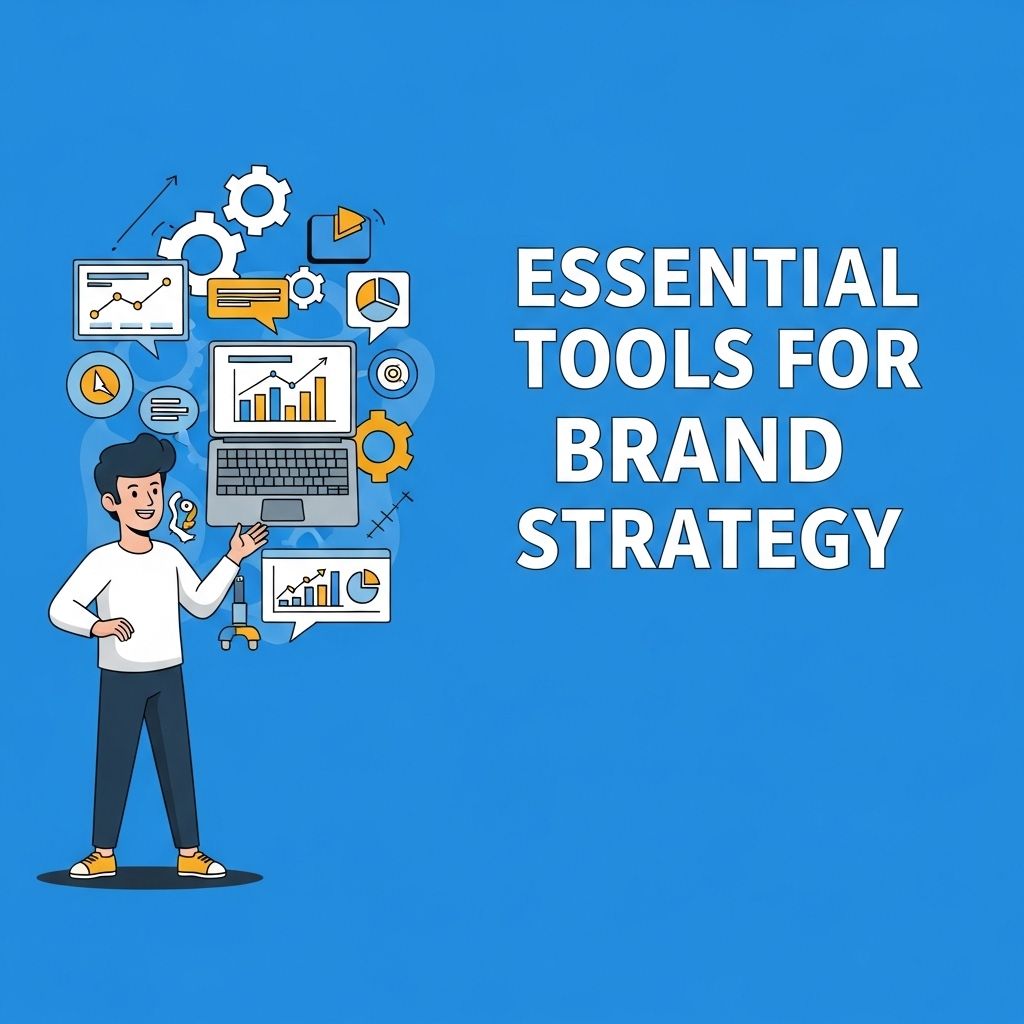
In the ever-evolving landscape of marketing, establishing a strong brand strategy is more crucial than ever. A well-defined brand strategy not only helps in creating a unique identity but also builds trust with consumers, fosters loyalty, and differentiates a brand from its competitors. To successfully navigate this complex field, leveraging the right tools is essential. Here, we explore five essential tools that can empower brands in crafting robust strategies for success.
In today’s competitive landscape, having a robust brand strategy is essential for standing out. To help elevate your approach, we’ve identified five essential tools that can enhance your branding efforts, including resources for creating striking visuals. For those looking to elevate their designs, check out our 3D mockup collection.
Table of Contents
1. Brand Identity Guidelines
The foundation of any successful brand strategy is a comprehensive set of brand identity guidelines. These guidelines ensure consistency across all platforms and touchpoints, which is vital for brand recognition and trust.
Key Components of Brand Identity Guidelines
- Logo Usage: Define the variations of your logo, acceptable colors, and size constraints.
- Color Palette: Specify primary and secondary colors alongside their HEX, RGB, and CMYK values.
- Typography: Identify font styles, sizes, and usages for different applications.
- Imagery Style: Set guidelines for photography, illustrations, and graphics that align with the brand’s voice.
- Tone of Voice: Describe the brand’s communication style across different channels.
2. Social Media Management Tools
Social media is a powerful platform for brand engagement, allowing brands to connect with their audience in real-time. Utilizing social media management tools can streamline this process.
Benefits of Using Social Media Management Tools
- Scheduling Posts: Plan and schedule content in advance for consistent posting.
- Analytics: Track engagement metrics, follower growth, and audience demographics.
- Multi-Platform Management: Manage multiple social media accounts from a single dashboard.
- Engagement Tracking: Monitor comments and messages to foster customer interaction.
Popular Social Media Management Tools
| Tool | Features | Pricing |
|---|---|---|
| Hootsuite | Post scheduling, analytics, team collaboration | Starting at $19/month |
| Buffer | Post scheduling, engagement tools, analytics | Starting at $15/month |
| Sprout Social | Social listening, analytics, scheduling | Starting at $99/month |
3. Customer Relationship Management (CRM) Software
Effective brand strategies rely heavily on understanding customer behavior and preferences. CRM software plays a pivotal role in collecting and analyzing customer data.
Core Features of CRMs
- Contact Management: Store detailed information about customers, including interactions and purchase history.
- Lead Tracking: Monitor and manage leads throughout the sales funnel.
- Sales Forecasting: Analyze data to predict future sales trends.
- Reporting: Generate reports to assess marketing campaigns and sales performance.
Recommended CRM Tools
| CRM | Features | Pricing |
|---|---|---|
| Salesforce | Comprehensive data analytics, customization options | Starting at $25/user/month |
| HubSpot | Integration with marketing tools, analytics | Free version available; paid plans start at $50/month |
| Zoho CRM | Lead management, reporting, multi-channel support | Starting at $12/user/month |
4. Competitor Analysis Tools
Understanding the competitive landscape is essential for developing a successful brand strategy. Competitor analysis tools provide valuable insights into competitors’ strengths and weaknesses.
What to Look for in Competitor Analysis Tools
- Market Positioning: Analyze how competitors position themselves in the market.
- SWOT Analysis: Conduct SWOT (Strengths, Weaknesses, Opportunities, Threats) assessments for competitors.
- Content Strategy: Evaluate competitors’ content marketing tactics and engagement rates.
- Pricing Strategies: Review how competitors price their products and services.
Top Competitor Analysis Tools
| Tool | Features | Pricing |
|---|---|---|
| SEMrush | SEO audits, keyword research, competitor tracking | Starting at $119.95/month |
| Ahrefs | Backlink analysis, competitor keyword research | Starting at $99/month |
| BuzzSumo | Content analysis, influencer identification | Starting at $99/month |
5. Brand Tracking Tools
Monitoring brand health and awareness is vital to ensure that the strategies implemented are yielding positive results. Brand tracking tools help in measuring brand perception over time.
Key Metrics to Track
- Brand Awareness: Measure how well consumers recognize your brand.
- Brand Sentiment: Assess consumer feelings towards your brand through social media and review analysis.
- Share of Voice: Compare brand mentions against competitors.
- Brand Loyalty: Analyze repeat purchases and customer retention rates.
Effective Brand Tracking Tools
| Tool | Features | Pricing |
|---|---|---|
| Brandwatch | Social listening, trend analysis, reporting | Contact for pricing |
| NetBase Quid | Consumer insights, sentiment analysis | Contact for pricing |
| Google Alerts | Real-time alerts for brand mentions | Free |
Conclusion
Crafting an effective brand strategy requires a deep understanding of your market, competitors, and customers. By integrating these essential tools into your strategy, you can create a cohesive brand identity, engage with your audience effectively, and drive sustainable growth. As technology continues to evolve, staying updated with tools and trends will ensure your brand remains relevant and successful in the digital age.
FAQ
What are the essential tools for developing a brand strategy?
Five essential tools for developing a brand strategy include market research tools, brand positioning frameworks, competitive analysis tools, customer persona templates, and brand messaging guidelines.
How can market research tools benefit my brand strategy?
Market research tools help you understand your target audience, their preferences, and market trends, allowing you to create a more effective brand strategy.
What is a brand positioning framework and why is it important?
A brand positioning framework helps define your brand’s unique value proposition and how it stands out from competitors, which is crucial for effective brand strategy.
How can competitive analysis tools improve my brand strategy?
Competitive analysis tools enable you to identify your competitors’ strengths and weaknesses, helping you to adapt your brand strategy accordingly to gain a competitive edge.
Why are customer persona templates critical in brand strategy?
Customer persona templates help you visualize and understand your ideal customers, ensuring that your brand strategy resonates with the right audience.
What role do brand messaging guidelines play in brand strategy?
Brand messaging guidelines provide a consistent communication framework for your brand, ensuring that all messaging aligns with your brand values and resonates with your target audience.