10 Eco-Friendly Public Transport Options for Sustainable Travel
Discover 10 eco-friendly public transport options that promote sustainable travel and reduce your carbon footprint while exploring urban areas.

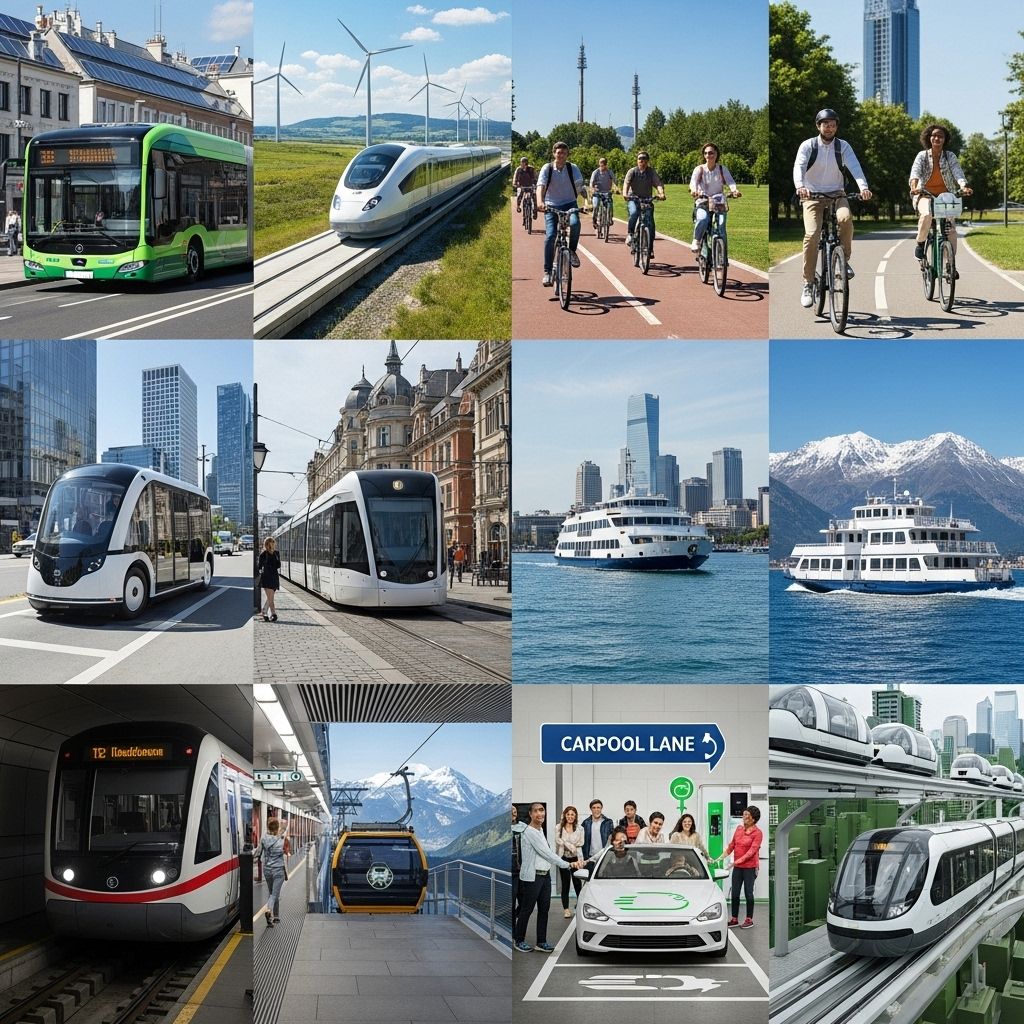
In an era where climate change and environmental sustainability are at the forefront of global concerns, the transportation sector plays a crucial role in reducing carbon emissions. More cities are recognizing the importance of eco-friendly public transport solutions, aimed at providing commuters with greener alternatives that not only alleviate traffic congestion but also protect our planet. This article will explore ten innovative and sustainable public transport options that are making a significant impact across the globe.
As urban areas grow, the need for sustainable travel solutions becomes increasingly vital. This article explores 10 eco-friendly public transport options that not only reduce carbon footprints but also promote greener cities. For a glimpse into how innovation can enhance sustainability, discover unique 3D logo examples.
Table of Contents
1. Electric Buses
Electric buses are a game changer in public transportation. By substituting diesel engines with electric power, these buses significantly reduce greenhouse gas emissions and noise pollution. Their advantages include:
- Lower operating costs due to reduced fuel consumption.
- Minimized emissions contributing to improved air quality.
- Quieter operation, benefiting urban environments.
Examples of Electric Bus Solutions
Many cities worldwide are embracing electric buses:
- Los Angeles: The city aims to transition its entire fleet to electric buses by 2030.
- Shenzhen, China: The first city to electrify its entire fleet of over 16,000 buses.
2. Trams and Light Rail
Trams and light rail systems are efficient, environmentally friendly modes of transport. They are particularly effective in urban areas, reducing the number of cars on the road. Key benefits include:
- Lower emissions compared to traditional buses.
- Reduced congestion in city centers.
- Increased accessibility to public transport.
Global Examples
Notable tram systems include:
- Melbourne: The largest tram network in the world.
- Amsterdam: Efficiently integrates trams into its public transport network.
3. Bicycle-Sharing Programs
Bicycle-sharing programs provide an eco-friendly alternative for short trips, reducing reliance on motor vehicles. Participants can rent bikes for short periods, promoting both health and sustainability. Benefits of these programs include:
- Reducing traffic congestion.
- Decreasing carbon emissions.
- Promoting healthier lifestyles among riders.
Successful Bicycle-Sharing Initiatives
Examples of successful programs:
| City | Program Name | Established |
|---|---|---|
| Paris | Vélib’ | 2007 |
| New York | Citi Bike | 2013 |
| Barcelona | Bicing | 2007 |
4. Carpooling and Ride-Sharing Services
Carpooling and ride-sharing services, such as Uber and Lyft, contribute to reducing the number of vehicles on the road. By combining rides, these services help lower emissions and decrease traffic. Benefits include:
- Cost-effective transportation.
- Reduced travel time due to fewer cars on the road.
- Lower environmental impact.
5. High-Speed Rail
High-speed rail systems offer a rapid and efficient alternative to air travel for medium-distance journeys. They are known for their low emissions per passenger mile. Advantages include:
- Faster travel times compared to cars and planes.
- Significantly lower emissions.
- Reduced noise pollution.
Prominent High-Speed Rail Examples
Countries with successful high-speed rail systems include:
- Japan: The Shinkansen network, known for its punctuality and efficiency.
- France: The TGV system, which connects major cities across the country.
6. Hydrogen-Powered Transport
Hydrogen fuel cell vehicles are an emerging technology that could revolutionize public transport. These vehicles produce only water vapor as a byproduct, making them incredibly clean. Key aspects include:
- Potential for significant reductions in greenhouse gas emissions.
- Quick refueling compared to battery electric vehicles.
- Longer driving ranges.
Examples of Hydrogen Initiatives
Cities investing in hydrogen transport include:
- Hamburg, Germany: Testing hydrogen-powered buses.
- California: State-funded hydrogen infrastructure development.
7. Autonomous Electric Vehicles
The future of public transport may lie in autonomous electric vehicles (AEVs). These innovative solutions promise to enhance mobility while reducing emissions. Benefits include:
- Reduction of traffic accidents caused by human error.
- Optimized routes leading to better energy efficiency.
- Enhanced accessibility for those unable to drive.
Current Developments
Several companies are developing AEV technology, including:
- Waymo – A leader in self-driving technology.
- Uber – Testing autonomous ride-sharing services.
8. Cable Cars and Aerial Trams
Cable cars and aerial trams are an effective and scenic mode of transport in hilly or mountainous regions. They generate minimal emissions while providing stunning views of the environment. Key advantages include:
- Space-efficient transport solutions.
- Low noise pollution.
- Lower construction costs compared to traditional rail systems.
Notable Examples
Famous cable car systems include:
- San Francisco: Iconic cable car system that attracts tourists and locals.
- La Paz, Bolivia: The world’s highest urban cable car network.
9. Integrated Mobility Platforms
Integrated mobility platforms combine various modes of transport into a single user-friendly interface. These platforms streamline the process of planning trips, making it easier to choose eco-friendly options. Key features include:
- Real-time transit updates.
- Multi-modal route planning.
- Payment systems that cover all modes of transport.
Successful Integrated Solutions
Examples include:
- Citymapper: A popular app that integrates public transport in major cities.
- Moovit: Provides information on public transport in over 3,000 cities.
10. Sustainable Community Shuttles
Community shuttles are smaller vehicles that provide flexible transport options, often in underserved areas. These shuttles can be powered by electricity or alternative fuels, offering eco-friendly solutions. Benefits include:
- Enhanced connectivity in suburban and rural areas.
- Reduced dependence on personal vehicles.
- Lower emissions compared to conventional buses.
Examples of Community Shuttle Programs
Successful initiatives include:
- Chattanooga, Tennessee: The Electric Shuttle provides free rides downtown.
- San Diego, California: The Micro Transit pilot program enhances public transport access.
In conclusion, the shift towards eco-friendly public transport options is essential for sustainable urban development. By adopting these innovative solutions, cities can enhance the quality of life for their residents while protecting the environment. As technology continues to evolve, the future of public transport looks promising, offering exciting possibilities for a greener, more efficient world.
FAQ
What are the benefits of using eco-friendly public transport?
Eco-friendly public transport reduces carbon emissions, decreases traffic congestion, and promotes sustainable urban development.
What types of eco-friendly public transport options are available?
Common eco-friendly options include electric buses, trams, subways, hybrid vehicles, bike-sharing programs, and pedestrian-friendly pathways.
How do electric buses contribute to environmental sustainability?
Electric buses produce zero tailpipe emissions and can be powered by renewable energy sources, significantly reducing air pollution.
Can public transportation reduce my carbon footprint?
Yes, using public transportation can reduce individual carbon footprints by decreasing the need for personal vehicles and lowering overall greenhouse gas emissions.
What role do bike-sharing programs play in eco-friendly transport?
Bike-sharing programs promote cycling as a sustainable mode of transport, reducing reliance on cars and lowering urban traffic and emissions.
How can cities encourage the use of eco-friendly public transport?
Cities can encourage eco-friendly transport by investing in infrastructure, providing incentives for public transport use, and promoting awareness about its benefits.