Unlock Your Creativity: How to Create Art with AI Tools
Discover innovative ways to create stunning art using AI tools. Learn tips and techniques to enhance your artistic skills with technology.

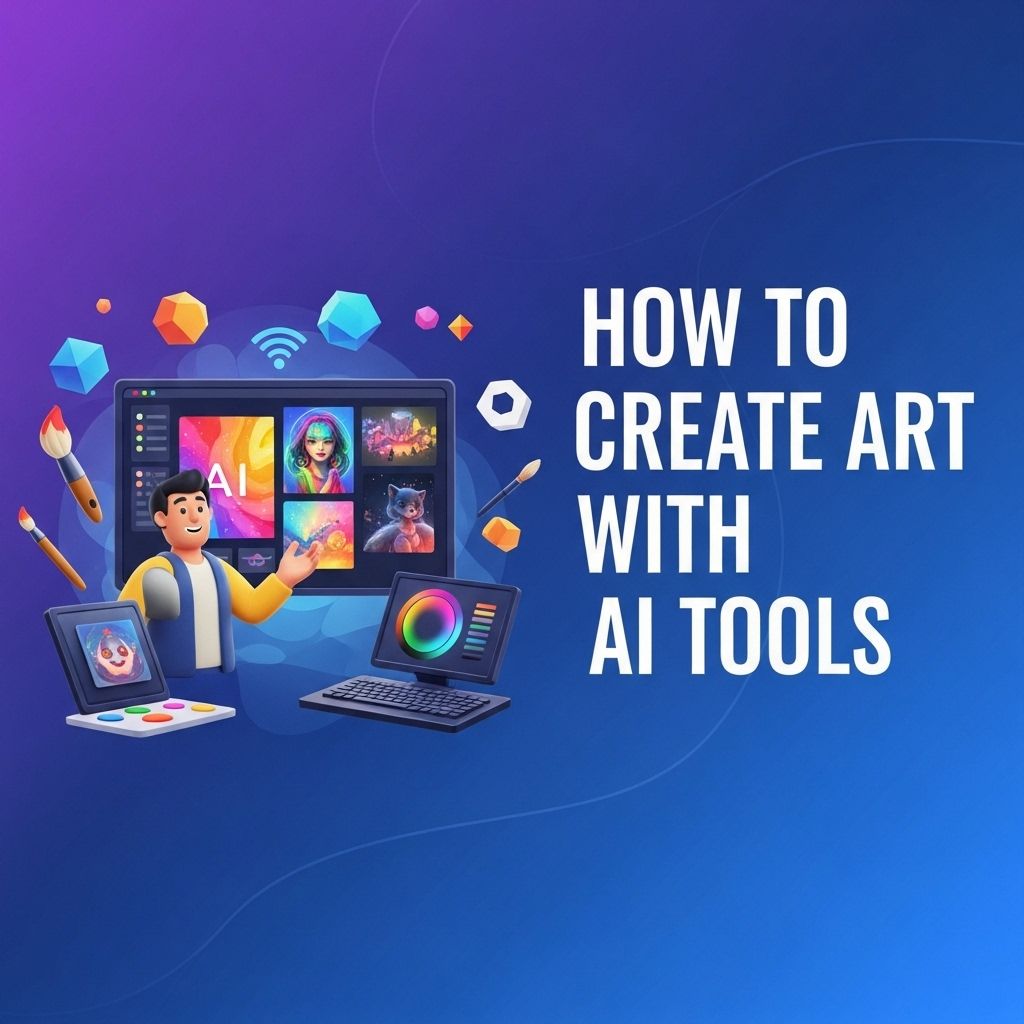
In recent years, artificial intelligence (AI) has revolutionized the creative landscape, enabling artists and aspiring creators to explore new mediums and techniques. From generating visuals to composing music, AI tools have opened up a world of creativity that was previously unimaginable. This article delves into the various ways you can harness AI to create stunning pieces of art, providing you with insights, tools, and techniques that are both practical and inspiring.
In today’s digital age, artificial intelligence tools have emerged as powerful allies in the creative process, enabling artists to push the boundaries of their imagination. By harnessing these technologies, you can elevate your art-making experience and explore innovative designs that often transcend traditional methods. For example, if you’re looking to enhance your logo designs, you can find quality logo mockups for your projects that help visualize your concepts more effectively.
Table of Contents
Understanding AI in Art
AI art refers to artwork created with the assistance of artificial intelligence technologies. These technologies can analyze data, learn patterns, and generate creative outputs that can range from visual art to music, literature, and beyond.
The Intersection of Technology and Creativity
AI art serves as an intersection where technology meets creativity. Artists can leverage AI algorithms to:
- Generate unique visuals based on input parameters.
- Analyze existing artwork to inspire new creations.
- Collaborate with AI to explore original concepts and styles.
Essential AI Tools for Artists
There are several AI tools available that cater to different aspects of art creation. Here are some popular tools that you can explore:
1. Generative Adversarial Networks (GANs)
Generative Adversarial Networks are a class of AI that can create new images based on the training data provided. GANs consist of two neural networks: a generator and a discriminator. Together, they can produce highly realistic images.
2. DeepArt
DeepArt uses deep learning algorithms to transform your photos into artworks in the style of famous paintings. Simply upload an image and choose a style, and let the AI do the rest.
3. Artbreeder
Artbreeder allows users to combine images to create unique artwork. Users can adjust parameters like color, shape, and texture, leading to a collaborative art creation experience with AI.
4. Runway ML
Runway ML offers a suite of tools that enable various forms of creative AI applications, including video and image editing. It’s user-friendly and ideal for those who want to explore AI’s capabilities without extensive coding knowledge.
5. DALL-E 2
DALL-E 2, developed by OpenAI, is capable of generating images from textual descriptions. This tool allows artists to visualize concepts and ideas that may not exist in reality.
Techniques for Creating Art with AI
Now that you are familiar with some of the tools available, let’s explore techniques for creating art using AI.
Experimenting with Style Transfer
Style transfer involves applying the visual appearance of one image to another. Here’s how you can do it:
- Select a content image (your original photo).
- Choose a style image (a painting or artwork).
- Use AI tools like DeepArt to blend the two, transforming your image into a stylized piece.
Creating with GANs
To use GANs effectively:
- Gather a dataset of images that represent the style you want to create.
- Train the GAN on this dataset, allowing it to learn and generate new images.
- Iterate through outputs, tweaking parameters until you achieve desired results.
Collaborative Art Projects
AI can serve as a collaborator. Consider the following steps:
- Create a piece of art and input it into an AI tool.
- Let the AI generate variations of your work.
- Choose your favorites and refine them further.
Exploring Ethical Considerations
The rise of AI in art brings about important ethical considerations. Artists must navigate issues such as copyright, originality, and the role of the creator:
Copyright Concerns
As AI-generated art continues to rise, questions arise regarding copyright ownership:
- Who owns the rights to AI-generated content?
- Should the creator of the AI tool receive credit?
Originality vs. Replication
AI can replicate styles and patterns, leading to debates about artistic originality:
- Is art created by AI truly original?
- How do we define the creative process when AI is involved?
Showcasing Your AI Art
Once you’ve created your masterpieces, consider the following ways to showcase your work:
1. Online Portfolios
Build an online portfolio to display your AI-generated art. Websites like Behance or Adobe Portfolio can help you create a stunning showcase.
2. Social Media
Utilize platforms like Instagram, Twitter, and Pinterest to share your creations. Engaging with communities can lead to increased visibility and feedback.
3. Art Exhibitions
Participate in virtual or physical art exhibitions that focus on digital and AI art. This can provide you with a platform to gain recognition.
Conclusion
Creating art with AI tools opens up an exciting frontier for artists and technologists alike. By understanding the tools available and exploring creative techniques, you can produce captivating works that blend technology and artistry. As you navigate this evolving landscape, remember to consider ethical implications and embrace collaboration with AI to enhance your creative journey.
FAQ
What are AI tools for creating art?
AI tools for creating art are software applications that utilize artificial intelligence algorithms to generate or assist in the creation of visual art, such as paintings, illustrations, and graphics.
How can I start creating art with AI?
To start creating art with AI, choose a user-friendly AI art tool or platform, familiarize yourself with its features, and experiment with different styles and settings to generate unique artworks.
Do I need coding skills to use AI art tools?
No, most AI art tools are designed for users of all skill levels and do not require coding skills. They often provide simple interfaces for easy art creation.
Can AI art tools replicate traditional art techniques?
Yes, many AI art tools are capable of mimicking traditional art techniques, allowing users to create digital art that resembles paintings, drawings, and other traditional forms.
Is AI-generated art considered original?
AI-generated art can be considered original as it often produces unique pieces based on algorithms and input from users, but the debate over authorship and originality is ongoing in the art community.
What are some popular AI art tools available today?
Some popular AI art tools include DeepArt, Artbreeder, DALL-E, and Runway ML, each offering unique features for creating and enhancing artwork.