Capture Powerful Stories Through Photography
Discover techniques to capture compelling stories through photography, enhancing your storytelling skills and visual impact.

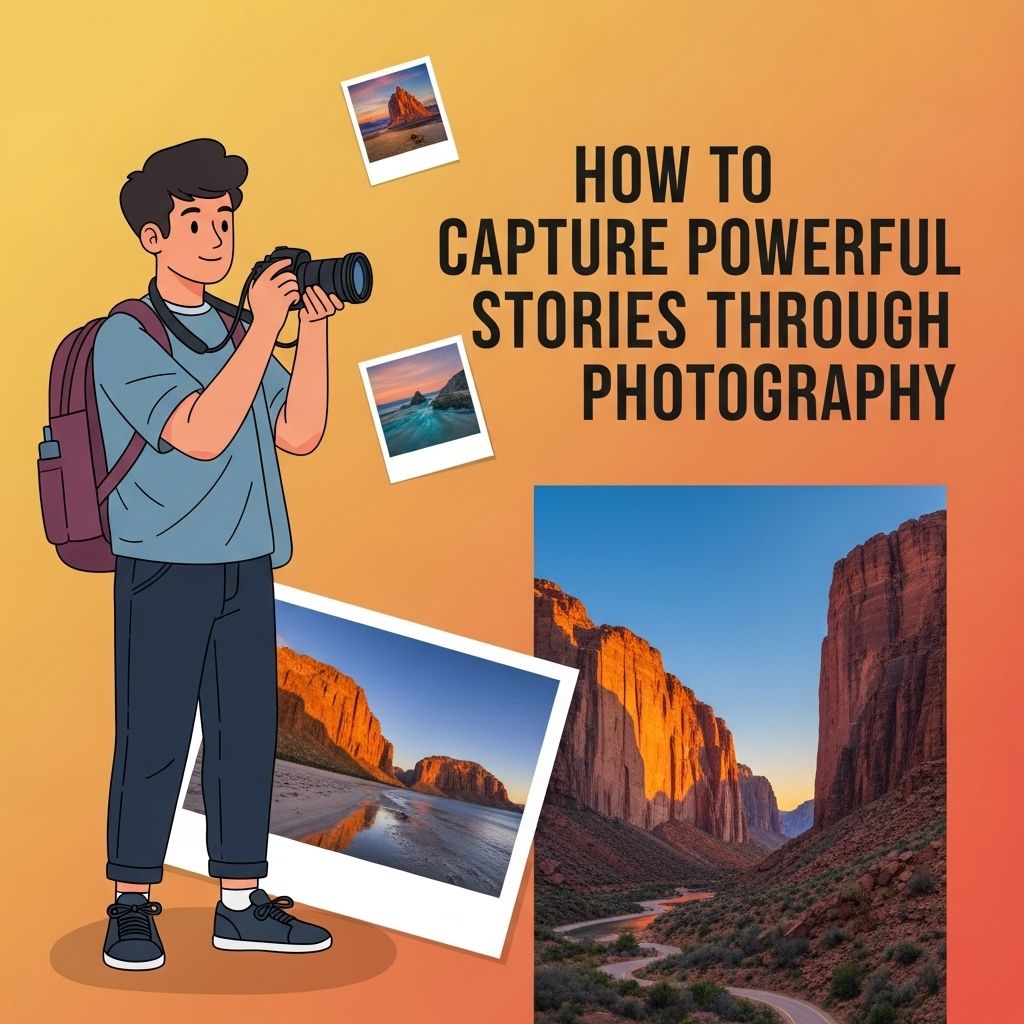
Photography is more than just capturing moments; it is an art of storytelling. A powerful photograph can evoke emotions, narrate a tale, and transport viewers to a different time and place. In an age where everyone has a camera in their pocket, the challenge lies in standing out and creating impactful stories through your photos. This article delves into the nuances of story-driven photography, exploring techniques, tips, and the essential elements required to capture compelling narratives through your lens.
Photography has the unique ability to capture powerful stories in a single frame, evoking emotions and preserving moments that might otherwise be forgotten. By focusing on the intricate details and unguarded expressions, photographers can tell compelling narratives that resonate deeply with viewers. To enhance your visual storytelling, check out our premium logo mockups.
Table of Contents
Understanding the Essence of Storytelling in Photography
At its core, storytelling through photography involves more than simply taking pictures. It requires an understanding of composition, light, emotion, and context. Here are some critical aspects to consider:
- Emotion: A photo should resonate emotionally with viewers, whether evoking joy, sadness, nostalgia, or excitement.
- Context: Providing context helps the audience understand the story behind the image.
- Composition: The arrangement of elements within the frame can draw attention to the story you want to tell.
Techniques for Capturing Stories
1. Get Close to Your Subject
When trying to convey a story, proximity can enhance the emotional impact of your photo. Being physically close to your subject allows the viewer to connect more deeply with the emotions displayed. Here are a few ways to get close:
- Use a zoom lens to capture intimate moments without being intrusive.
- Get down to the eye level of your subject, particularly with children or animals, to create a more personal connection.
- Utilize a wide-angle lens to include more of the environment and context surrounding your subject.
2. Utilize Natural Light
Lighting is a critical element in photography that can drastically change the mood of your story. Natural light often provides a soft and flattering effect. Here’s how to use it effectively:
| Time of Day | Lighting Quality | Best Use |
|---|---|---|
| Golden Hour (Sunrise/Sunset) | Soft, warm light | Romantic, peaceful scenes |
| Noon | Harsh light | High contrast, dynamic shots |
| Overcast | Even, diffused light | Portraits and colors pop |
Elements of Story-Driven Photography
1. The Subject
The subject is the heart of your story. It can be a person, a place, or an event. Here’s how to choose compelling subjects:
- Look for unique features that tell a story about the subject.
- Focus on expressions and gestures that convey emotions.
- Capture movement to show action and life.
2. Background and Environment
The background plays a significant role in storytelling. A well-chosen background can enhance your subject and provide context. Consider the following:
- Avoid cluttered backgrounds that distract from the main subject.
- Use leading lines to direct the viewer’s gaze towards the subject.
- Incorporate elements that add to the narrative, such as cultural landmarks or nature.
3. Capturing Moments
Telling a story often involves capturing fleeting moments that convey emotion or action. Here are some tips:
- Practice anticipating moments, especially in events or gatherings.
- Utilize burst mode to capture sequences of action.
- Be patient; the best shots often require waiting for the right moment.
Post-Processing for Story Enhancement
Once you have captured your images, post-processing can further enhance the narrative. Here are some techniques to consider:
- Color Grading: Adjust colors to evoke specific emotions. For example, warmer tones can induce feelings of comfort while cooler tones might evoke sadness.
- Cropping: Refine your composition by removing distracting elements.
- Sharpening: Enhance details in your subject to draw focus.
Building a Photo Series
Creating a series of images can provide a more in-depth narrative than a single photograph. Here’s how to approach it:
- Define Your Theme: Choose a central theme that resonates with your intended audience.
- Plan Your Shots: Create a shot list to ensure you capture various aspects of your theme.
- Consistency: Maintain a consistent style and edit all photos in a similar manner.
Engaging Your Audience
Once your stories are captured, consider how to share them effectively:
- Utilize social media platforms to showcase your work and engage with an audience.
- Create a blog or website to tell the stories behind your photos in more detail.
- Participate in exhibitions or community events to physically share your work.
Conclusion
Photography has the power to transform mundane moments into powerful stories. By understanding the essential elements of storytelling, utilizing effective techniques, and engaging your audience, you can create images that resonate and linger in people’s minds. Embrace the journey, experiment with your style, and let your photographs tell the stories of a lifetime.
FAQ
What are some tips for capturing powerful stories through photography?
To capture powerful stories through photography, focus on composition, lighting, and emotion. Look for candid moments, use natural light, and frame your subjects in a way that tells a narrative.
How can I improve my storytelling in photography?
Improving storytelling in photography involves understanding your subject, creating a connection, and using elements like foreground and background to enhance the narrative. Experiment with different angles and perspectives.
What role does lighting play in storytelling photography?
Lighting is crucial in storytelling photography as it sets the mood and highlights emotions. Utilize golden hour lighting or dramatic shadows to enhance the story you want to convey.
Is it important to know the background of my subject when photographing?
Yes, knowing the background of your subject adds depth to your photos and helps you capture more meaningful and engaging stories.
How can I convey emotion through my photography?
Conveying emotion can be achieved by focusing on facial expressions, body language, and the environment. Capturing genuine reactions and interactions often tells a more compelling story.
What techniques can help in visual storytelling with photography?
Techniques such as using leading lines, framing, and incorporating elements that symbolize the story can enhance visual storytelling. Experimenting with depth of field and composition also adds interest.