10 Attention-Grabbing Hooks for Your Writing
Discover 10 powerful techniques to create attention-grabbing hooks that will captivate your readers and enhance your writing.
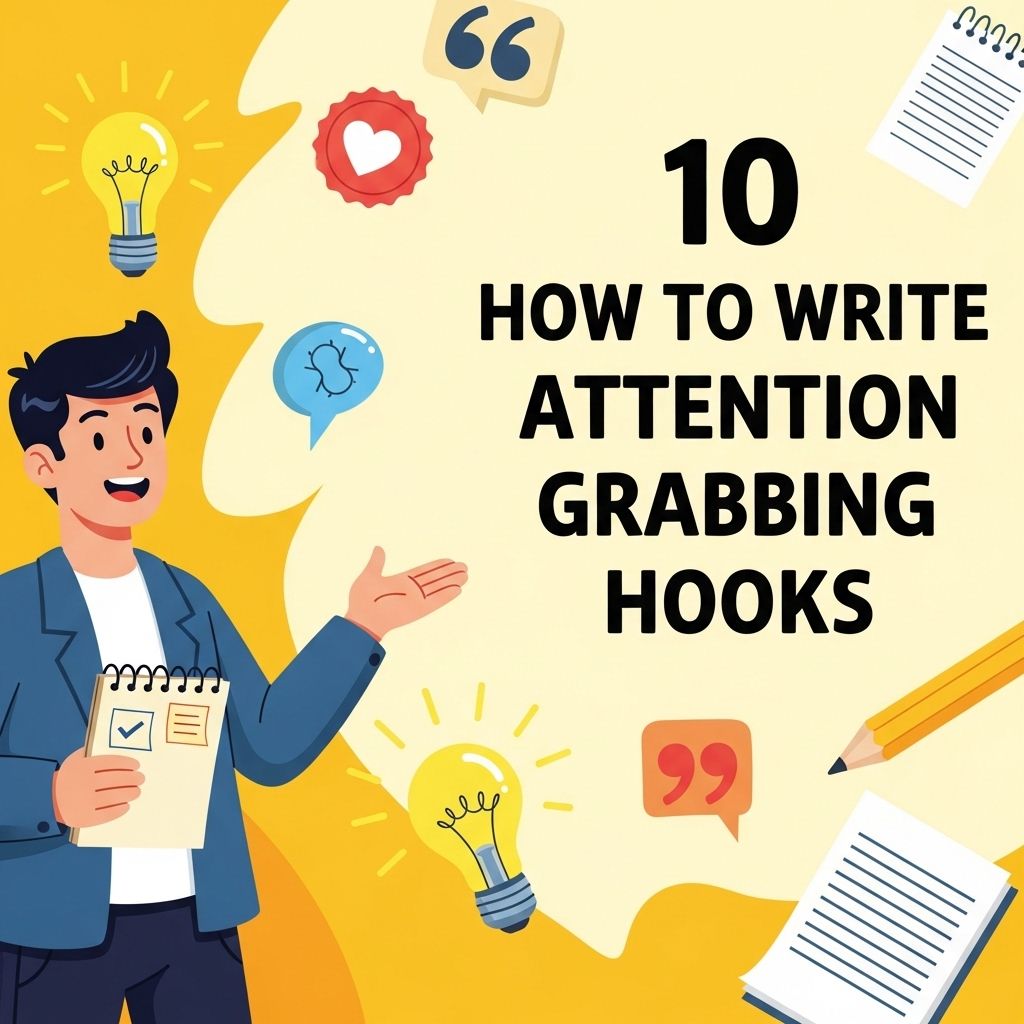
In the digital age, where content is king, grabbing the reader’s attention has never been more crucial. Whether you’re crafting an article, blog post, or social media update, the first few sentences can make or break your engagement rates. In this article, we will explore various techniques to write compelling hooks that entice readers to keep scrolling, clicking, or reading. Understanding the psychology behind effective hooks can significantly improve your writing skills and help convey your message more powerfully.
Crafting compelling content begins with a strong hook that draws readers in and piques their curiosity. Whether you’re writing an article, a novel, or a marketing piece, the right opening can make all the difference. Ready to elevate your writing? explore our logo mockup collection for inspiration.
The Importance of a Hook
A well-crafted hook serves as a gateway to your content. It creates intrigue and encourages readers to invest their time in your message. Here are a few reasons why hooks are essential:
- Captures Attention: In a sea of information, a hook draws readers in immediately.
- Sets the Tone: The hook establishes the mood and style of the content, helping readers anticipate what’s to come.
- Builds Curiosity: An effective hook piques curiosity, motivating readers to continue for answers.
- Enhances Retention: A strong opening can help readers remember your content better.
Types of Hooks
There are various types of hooks you can use depending on your audience and the message you wish to convey. Here are some popular types:
1. Question Hooks
Asking a thought-provoking question encourages readers to ponder the topic and invites them to seek answers in your content. For example:
What if you could rewrite the rules of traditional marketing?
2. Statistic Hooks
Using surprising statistics can effectively capture attention. Numbers can validate the importance of your topic. For instance:
Did you know that 70% of marketers believe content is their most effective SEO tactic?
3. Anecdotal Hooks
Sharing a brief personal story or anecdote can create an emotional connection with your readers. For example:
Last summer, I discovered a simple change that doubled my productivity overnight.
4. Quote Hooks
A powerful quote from a reputable source can immediately engage readers. Consider this:
“Innovation distinguishes between a leader and a follower.” – Steve Jobs
5. Bold Statement Hooks
Making an assertive claim can provoke thought and interest. For example:
You don’t need a massive budget to create a compelling marketing campaign.
Crafting Your Hook
Now that you understand the types of hooks, it’s time to craft your own. Here’s a step-by-step guide:
- Identify Your Audience: Understand who you are writing for and what interests them.
- Determine the Key Message: Know the primary point you want to convey.
- Select the Hook Type: Choose the hook type that best suits your message.
- Write and Revise: Draft your hook and refine it until it’s engaging and concise.
Examples of Effective Hooks
Below is a table showcasing various hooks alongside the context in which they could be effectively used:
| Hook Type | Example | Context |
|---|---|---|
| Question | How would your life change if you could escape the 9-to-5 grind? | Personal Development Article |
| Statistic | 93% of online experiences begin with a search engine. | SEO Guide |
| Anecdote | When I first started blogging, I had no idea what I was doing. | Blogging Tips |
| Quote | “The best way to predict the future is to create it.” – Peter Drucker | Entrepreneurship Piece |
| Bold Statement | Anyone can become a successful entrepreneur, regardless of their background. | Motivational Content |
Testing and Analyzing Your Hooks
After crafting your hooks, it is vital to test their effectiveness. A/B testing is an excellent method for this. Consider the following steps:
- Choose Two Hooks: Select two different hooks for the same piece of content.
- Distribute the Content: Share both versions with your audience.
- Analyze the Results: Use metrics such as click-through rates and engagement to determine which hook performed better.
Tools for Analyzing Hooks
Utilize the following tools for analyzing the effectiveness of your hooks:
- Google Analytics: Monitor visitor behavior and engagement metrics.
- BuzzSumo: Analyze how your content performs on social media.
- CoSchedule Headline Analyzer: Evaluate your headlines based on various factors.
Conclusion
Writing attention-grabbing hooks is an essential skill for anyone looking to create impactful content. By understanding your audience and employing effective techniques, you can significantly improve the engagement of your writing. Remember to keep experimenting and analyzing your hooks as you develop your style. The right hook can lead to more reads, shares, and conversations—so make every word count!
FAQ
What is an attention-grabbing hook?
An attention-grabbing hook is a compelling opening statement or question designed to capture the reader’s interest and encourage them to read further.
Why are hooks important in writing?
Hooks are important because they engage the reader right from the start, making them more likely to continue reading the content.
What are some effective types of hooks?
Effective types of hooks include surprising facts, intriguing questions, vivid descriptions, quotes, and anecdotes.
How can I create a hook for my article?
To create a hook, identify the main theme of your article and brainstorm attention-grabbing phrases or questions that relate to that theme.
Can humor be used as a hook?
Yes, humor can be an effective hook if it fits the tone of your writing and resonates with your audience.
What makes a hook memorable?
A memorable hook often includes emotional appeal, creativity, and relevance to the reader’s interests or needs.