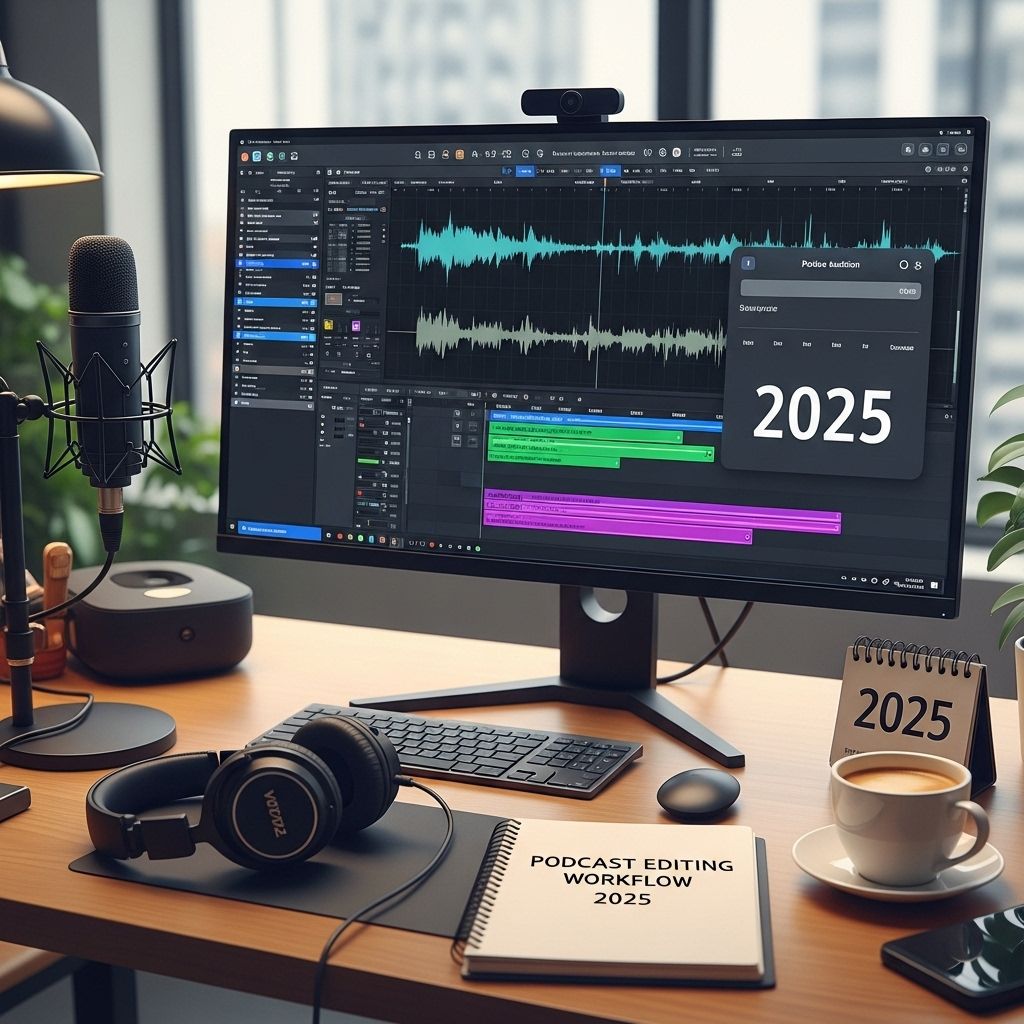
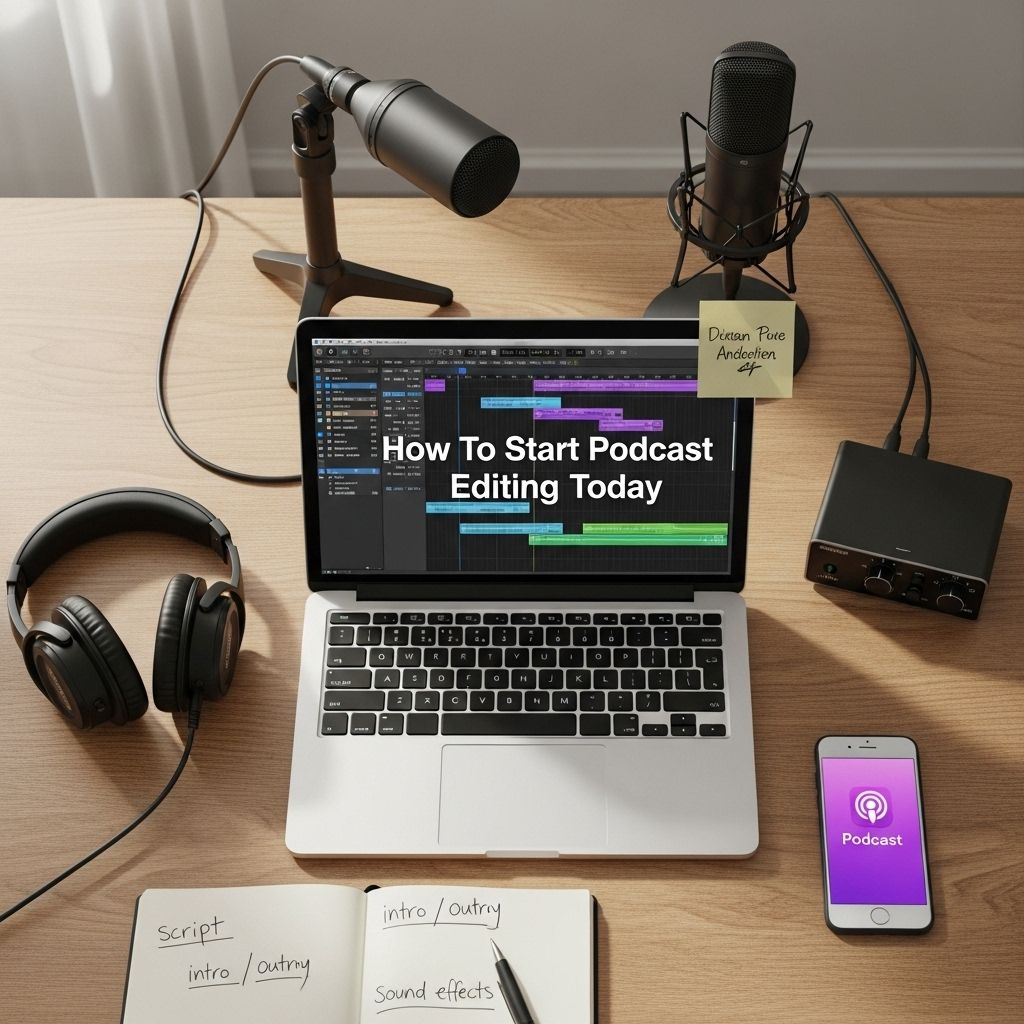
Top AI Tools for Automating Podcast Editing in 2025
Discover the best AI tools for automating podcast editing in 2025 to streamline your workflow and enhance audio quality.
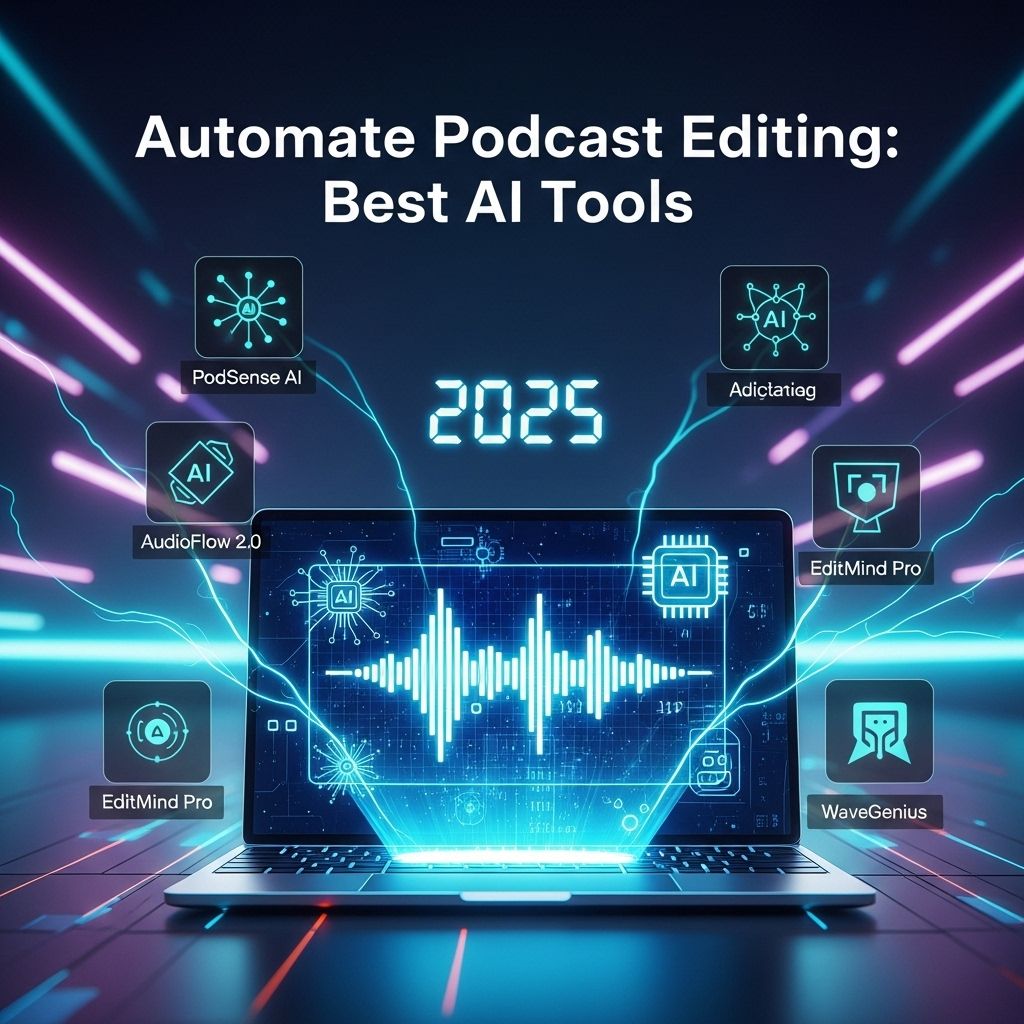
As podcasting continues to gain popularity, the demand for efficient editing tools is more crucial than ever. The rise of artificial intelligence (AI) has provided content creators with innovative solutions that streamline the editing process, allowing them to focus on content quality rather than technical hurdles. This article examines some of the best AI tools available in 2025 for automating podcast editing, enhancing workflow, and improving the overall audio experience.
As podcasting continues to gain momentum in 2025, leveraging AI tools for automating editing processes becomes crucial for creators looking to streamline their workflow. These advanced technologies not only enhance audio quality but also allow for a more efficient production cycle, enabling podcasters to focus on content creation rather than technical details. For those interested in enhancing their promotional materials, see how to use 3D mockups effectively to create engaging visuals.
Understanding the Need for AI in Podcast Editing
Podcast editing can be a time-consuming endeavor. Traditional editing requires not only technical skills but also a significant investment of time. Here are some challenges that podcasters face:
- Long Editing Hours: Editing audio content can take several hours, especially for longer podcasts.
- Sound Quality Issues: Background noise, uneven audio levels, and poor sound quality can detract from the listening experience.
- Consistency in Editing: Maintaining a consistent sound across episodes is crucial for branding but can be difficult to achieve manually.
AI tools can mitigate these challenges by automating repetitive tasks and providing smart enhancements that ensure high-quality output.
Top AI Tools for Podcast Editing in 2025
1. Descript
Descript has taken the podcast editing world by storm with its unique transcription-based editing capabilities. It allows users to edit audio by simply editing the text of the transcript, making audio editing intuitive.
- Features:
- Text-based audio editing.
- Overdub feature to clone voices for seamless edits.
- Multitrack editing for complex projects.
- Pricing: Free version available; paid plans start at $15/month.
2. Adobe Podcast (formerly Project Shasta)
Adobe Podcast has integrated AI-powered features that enhance audio quality and streamline the editing process. It is particularly useful for podcasters who are already familiar with the Adobe ecosystem.
- Features:
- Automatic noise reduction and audio enhancement.
- Smart transcriptions with speaker identification.
- Easy sharing options to Adobe Creative Cloud.
- Pricing: Subscription-based, starting at $20/month.
3. Auphonic
Auphonic is a standout tool for automatic audio post-production. It optimizes audio files and can process multiple podcasts simultaneously.
- Features:
- Automatic leveling and loudness normalization.
- Support for multiple file formats and platforms.
- Smart algorithms for background noise reduction.
- Pricing: Pay-as-you-go with 2 hours of free processing per month.
4. Podcastle
Podcastle offers a browser-based platform that combines recording and editing, making it easy to produce high-quality podcasts without the need for additional software.
- Features:
- AI-powered background noise cancellation.
- Multi-track recording capabilities.
- Instant audio enhancements.
- Pricing: Free plan available; pro options start at $10/month.
5. Alitu
Alitu is designed specifically for podcasters and simplifies the editing process with a user-friendly interface and powerful AI features.
- Features:
- Drag-and-drop interface for easy editing.
- Automatic audio cleanup and enhancement.
- Publishing features for exporting to popular platforms.
- Pricing: Monthly subscription starting at $28.
How to Choose the Right AI Tool
Selecting the appropriate AI tool for podcast editing depends on various factors. Consider the following when making your decision:
- Budget: Determine how much you are willing to spend. Many tools offer free trials or basic versions.
- Features: Identify the features that are most essential to your editing process.
- Ease of Use: Assess the user interface and how easy it is to navigate.
- Integration: Check if the tool integrates with your existing workflow, such as content management systems or recording setups.
Benefits of Automating Podcast Editing
The automation of podcast editing through AI tools offers numerous advantages:
- Time Savings: Reduces the time spent on manual editing tasks, allowing creators to focus on content.
- Improved Sound Quality: AI tools can enhance audio quality significantly, often beyond what a human editor can achieve in the same timeframe.
- Consistency: Automation helps maintain a consistent sound and feel across episodes, crucial for branding.
- Accessibility: AI tools often provide features that make editing more accessible to those without extensive technical skills.
Future Trends in Podcast Editing
As technology continues to evolve, several trends are likely to shape the future of podcast editing:
| Trend | Description |
|---|---|
| Enhanced AI Capabilities | Future tools will likely offer even more advanced features, such as predictive editing and real-time enhancements. |
| Increased Customization | Users will demand more customizable options tailored to their specific needs and preferences. |
| Integration with Other Media | Expect to see tools that integrate podcasting with video editing, allowing creators to diversify content. |
Conclusion
The podcasting landscape is rapidly changing, and the introduction of AI tools for editing has made it easier than ever for creators to produce high-quality content efficiently. By embracing these innovations, podcasters can not only enhance their workflow but also significantly improve their audio quality and listener experience. As we look ahead, the future promises even more exciting advancements that will continue to reshape how we create and share audio content.
FAQ
What are the best AI tools for automating podcast editing in 2025?
Some of the top AI tools for podcast editing in 2025 include Descript, Alitu, and Auphonic, which offer features like automatic transcription, noise reduction, and easy editing interfaces.
How can AI improve the podcast editing process?
AI can streamline the podcast editing process by automating tasks such as noise removal, audio leveling, and transcription, allowing creators to focus more on content rather than technical details.
Is it possible to fully automate podcast editing with AI tools?
While AI tools significantly enhance and speed up the podcast editing process, a complete automation may not be feasible for all aspects, especially for creative decisions that require a human touch.
What features should I look for in AI podcast editing software?
Key features to consider include automatic transcription, audio enhancement capabilities, user-friendly editing interfaces, and integration with hosting platforms.
Are AI podcast editing tools suitable for beginners?
Yes, many AI podcast editing tools are designed with user-friendly interfaces and provide tutorials, making them suitable for beginners with little to no editing experience.
Can AI tools help improve podcast audio quality?
Absolutely! AI tools can enhance audio quality through noise reduction, equalization, and mastering, resulting in a more professional-sounding podcast.