Harnessing AI for Real Estate Success
Discover how AI can transform the real estate industry by enhancing property search, market analysis, and customer engagement in this insightful guide.


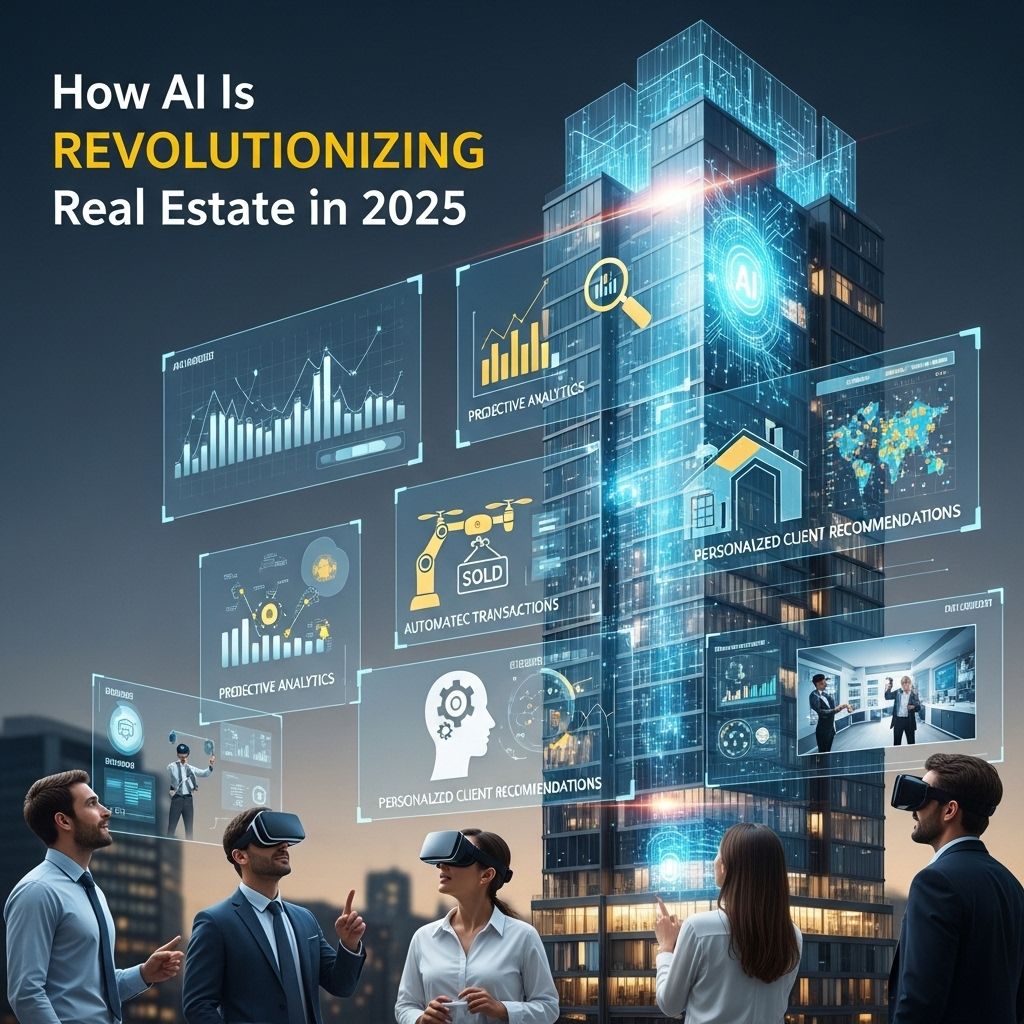
The real estate industry, like many others, is undergoing a significant transformation thanks to advances in artificial intelligence (AI). From streamlining property management to enhancing customer service, AI is reshaping how real estate professionals operate. This article delves into various applications of AI in real estate, providing insights on implementation, benefits, and future trends.
Harnessing AI for real estate success is revolutionizing how professionals approach property transactions and marketing. By leveraging data analytics and innovative tools, agents can better understand market trends and optimize client interactions. For a striking visual identity in this competitive landscape, you can visualize your 3D logo concepts, enhancing your brand’s appeal.
Table of Contents
Understanding AI in Real Estate
Artificial intelligence refers to the simulation of human intelligence processes by machines, particularly computer systems. In real estate, AI can analyze vast amounts of data to make predictions, streamline processes, and enhance decision-making capabilities. Here are some key areas where AI is making an impact:
- Data Analysis: AI algorithms can process large datasets to identify market trends and forecast property values.
- Customer Interaction: AI-powered chatbots can handle inquiries and provide instant information, improving customer experience.
- Property Management: Automation can optimize operations, scheduling maintenance, and managing tenant relations.
Applications of AI in Real Estate
1. Market Analysis and Valuation
AI-driven tools can analyze market trends, historical sales data, and neighborhood demographics to provide real estate professionals with accurate property valuations. This predictive analytics capability allows agents and investors to make data-driven decisions.
2. Personalized Property Recommendations
Machine learning algorithms can track user preferences and behaviors, offering personalized property suggestions. For instance:
- User inputs preferences such as price range, location, and amenities.
- The system analyzes past user behavior and similar property data.
- Recommendations are generated that closely match user needs.
3. Virtual Tours and Augmented Reality
AI enhances property viewing experiences through virtual tours and augmented reality (AR). Potential buyers can explore properties from their own homes, making the buying process more efficient. Some key benefits include:
| Benefits | Description |
|---|---|
| Convenience | View properties without traveling. |
| Engagement | Interactive experiences lead to higher engagement. |
| Time-saving | Reduces time spent on in-person viewings. |
4. Predictive Maintenance
In property management, AI can predict maintenance needs by analyzing patterns and data from sensors and IoT devices. This proactive approach allows for:
- Reduced unexpected repair costs.
- Extended lifespan of building systems.
- Improved tenant satisfaction due to timely maintenance.
Implementation Strategies for AI in Real Estate
1. Start Small
Begin with pilot projects that allow for controlled experimentation with AI tools. This approach helps in understanding the technology and assessing its benefits without significant risk. Consider areas such as:
- Chatbots for customer service.
- Automated reporting tools for market analysis.
2. Integrate with Existing Systems
Ensure that AI solutions can seamlessly integrate with existing property management and CRM systems. This integration promotes data consistency and allows for a unified approach to operations.
3. Focus on Training
Invest in training for staff to effectively use AI tools. Understanding the technology is crucial for maximizing its potential. Training topics might include:
- Data input and management.
- Interpreting AI-generated insights.
- Using AI tools for enhanced customer engagement.
Challenges in Adopting AI in Real Estate
1. Data Quality and Accessibility
AI requires vast amounts of high-quality data. Many real estate firms struggle with inconsistent or fragmented data, which can hinder the effectiveness of AI models. Strategies to address this include:
- Establishing clear data governance policies.
- Investing in data management tools to consolidate and clean data.
2. Cost of Technology
Implementing AI solutions can be costly, especially for smaller firms. However, considering long-term ROI and efficiency gains can justify the upfront investment. Evaluate solutions based on:
- Cost of implementation.
- Potential for increased profitability.
- Long-term operational efficiencies.
The Future of AI in Real Estate
As technology continues to evolve, the future of AI in real estate looks promising. Trends to watch include:
- Increased Automation: More processes will be automated, from customer service to complex transaction handling.
- Enhanced Decision-Making: AI will provide deeper insights, enabling investors and agents to make more informed decisions.
- Smart Contracts: Blockchain technology combined with AI could revolutionize transaction processes.
Conclusion
Artificial intelligence is transforming the real estate landscape, offering innovative solutions that enhance efficiency, customer experience, and decision-making. By adopting AI thoughtfully and strategically, real estate professionals can position themselves at the forefront of the industry’s evolution. As technology advances, staying informed and adaptable will be key to leveraging AI’s full potential.
FAQ
How can AI improve property valuation in real estate?
AI can analyze vast amounts of data, including market trends, property features, and comparable sales, to provide accurate and timely property valuations.
What are the benefits of using AI for lead generation in real estate?
AI can identify potential clients by analyzing online behavior, enabling real estate professionals to target their marketing efforts more effectively.
Can AI assist in predicting real estate market trends?
Yes, AI can process historical data and current market indicators to forecast future trends, helping investors make informed decisions.
How does AI enhance customer service in real estate?
AI-powered chatbots can provide instant responses to client inquiries, schedule viewings, and offer personalized property recommendations.
What role does AI play in property management?
AI can streamline property management tasks such as maintenance scheduling, tenant screening, and rent collection, improving efficiency and tenant satisfaction.
Is AI useful for real estate marketing strategies?
Absolutely! AI can analyze consumer data to create targeted marketing campaigns, optimizing ad spend and increasing engagement rates.