Identify Your Target Audience Effectively
Learn essential strategies to identify your target audience and tailor your marketing efforts for better engagement and conversion.
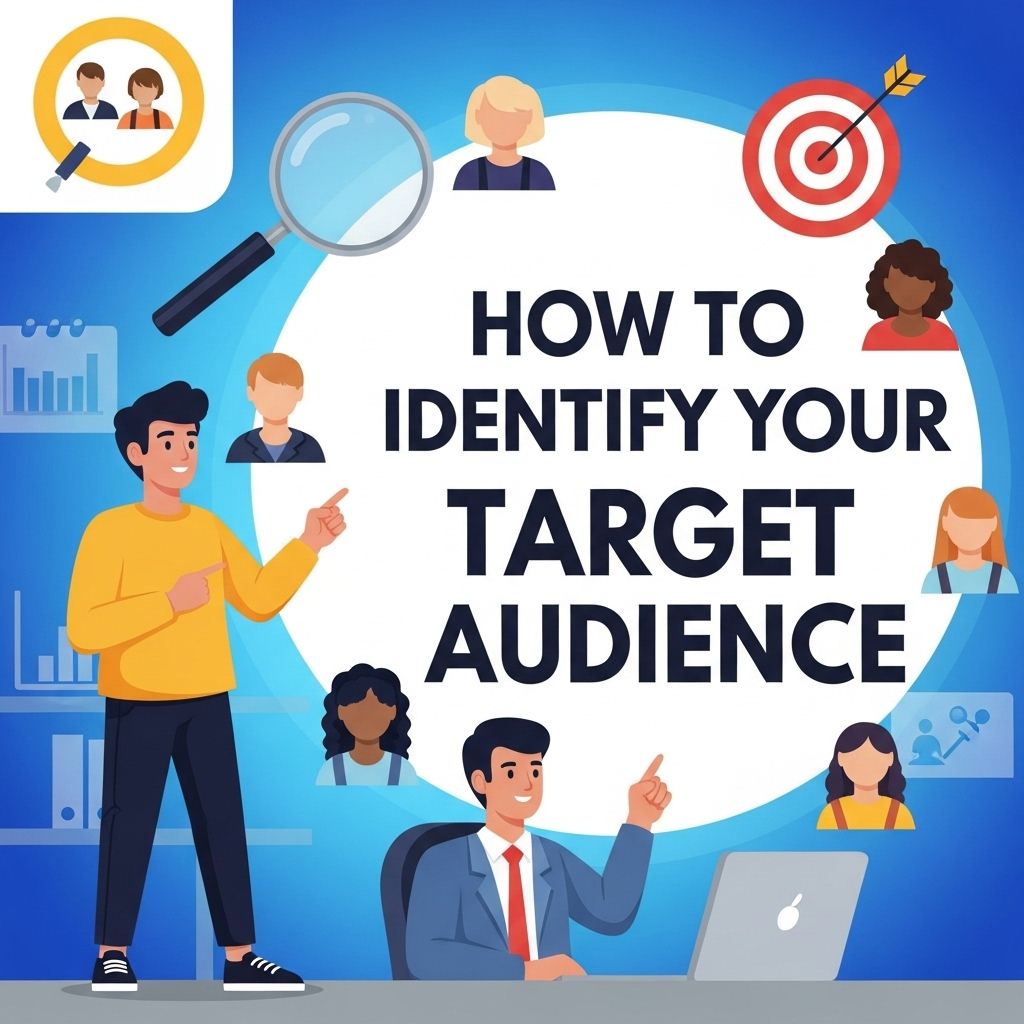
Identifying your target audience is a crucial step in any marketing strategy. Understanding who your potential customers are allows you to tailor your messaging, improve your product offerings, and ultimately drive conversions. But how do you accurately pinpoint this demographic? In this article, we will explore various methods and tools that can help you identify your target audience effectively.
Identifying your target audience effectively is crucial for any branding effort, especially when developing a logo that resonates with potential customers. Understanding who your audience is enables you to create visuals that align with their preferences and expectations. For inspiration, you can explore our logo mockup collection to see various styles that cater to different demographics.
Understanding the Importance of Target Audience
Your target audience refers to the specific group of consumers that are most likely to purchase your products or services. Knowing your target audience is vital for several reasons:
- Enhanced Marketing Efficiency: By knowing who you are targeting, you can craft messages that resonate more deeply.
- Informed Product Development: Understanding your audience’s needs can lead to better product features and services.
- Increased ROI: Targeted marketing initiatives often yield higher returns on investment.
Step-by-Step Guide to Identifying Your Target Audience
1. Conduct Market Research
Start with comprehensive market research. This involves gathering data about your industry, competitors, and potential customers. Look for trends and patterns that can provide insights. Consider the following methods:
- Surveys: Use online tools like Google Forms or SurveyMonkey to collect data directly from your audience.
- Focus Groups: Organize small group discussions to dive deeper into consumer preferences.
- Competitor Analysis: Analyze your competitors’ audiences to identify gaps you can fill.
2. Define Demographics
Demographic information is foundational to identifying your target audience. Here are key aspects to consider:
| Demographic | Key Questions |
|---|---|
| Age | What age group are you targeting? |
| Gender | Is your product aimed at a specific gender? |
| Income Level | What is the income range of your ideal customer? |
| Education Level | What is the educational background of your audience? |
| Location | Where does your target audience live? |
3. Analyze Psychographics
Beyond demographics, understanding psychographics—values, interests, lifestyles, and behaviors—can provide a more nuanced view of your target audience. Consider:
- Interests: What hobbies or activities do they engage in?
- Values: What principles matter to them?
- Lifestyles: How do they spend their time?
4. Utilize Analytics Tools
Data analytics tools can provide valuable insights into your audience’s behavior. Some tools to consider include:
- Google Analytics: Offers information on who visits your website, including demographics and interests.
- Social Media Insights: Platforms like Facebook and Instagram offer analytics on your followers.
- CRM Software: Tools like HubSpot or Salesforce can help you analyze customer data.
Creating Audience Personas
Once you’ve gathered data, it’s time to create audience personas. These are fictional representations of your ideal customers based on your research. Here’s how to develop effective personas:
- Name and Demographics: Give your persona a name and define age, gender, location, and other demographics.
- Background and Career: Describe their work history and education.
- Goals and Challenges: Identify what they want to achieve and the obstacles they face.
- Buying Behavior: Understand how they make purchasing decisions.
Testing Your Findings
After creating your audience personas, it’s essential to test your assumptions. This can be done through:
- A/B Testing: Create different marketing campaigns and see which resonates more with your target audience.
- Feedback Loops: Encourage feedback from customers and adjust your approach accordingly.
- Continuous Learning: Keep monitoring your audience to stay updated on any changes in preferences.
Conclusion
Identifying your target audience is an ongoing process that can significantly impact your business’s success. By utilizing research methods, analytics tools, and audience personas, you can better understand who your ideal customers are and how to reach them effectively. Remember, as market dynamics change, so may your audience, so keep refining your approach to ensure sustained engagement and growth.
FAQ
What is a target audience?
A target audience is a specific group of consumers identified as the intended recipients of a marketing message or campaign.
Why is identifying a target audience important?
Identifying a target audience is crucial for tailoring marketing strategies, improving engagement, and maximizing the effectiveness of campaigns.
What methods can I use to identify my target audience?
You can use methods such as market research, surveys, customer interviews, and analyzing demographic data to identify your target audience.
How do demographics influence target audience identification?
Demographics such as age, gender, income, and education level provide insights into consumer behavior and preferences, helping to define your target audience.
Can my target audience change over time?
Yes, target audiences can change due to market trends, changes in consumer behavior, and shifts in demographics, so it’s important to regularly reassess your audience.
What role does social media play in identifying a target audience?
Social media platforms offer valuable analytics and insights into user behavior and preferences, helping businesses refine their target audience.