Defining Your Target Audience Made Easy
Learn effective strategies to identify and define your target audience for better marketing results.
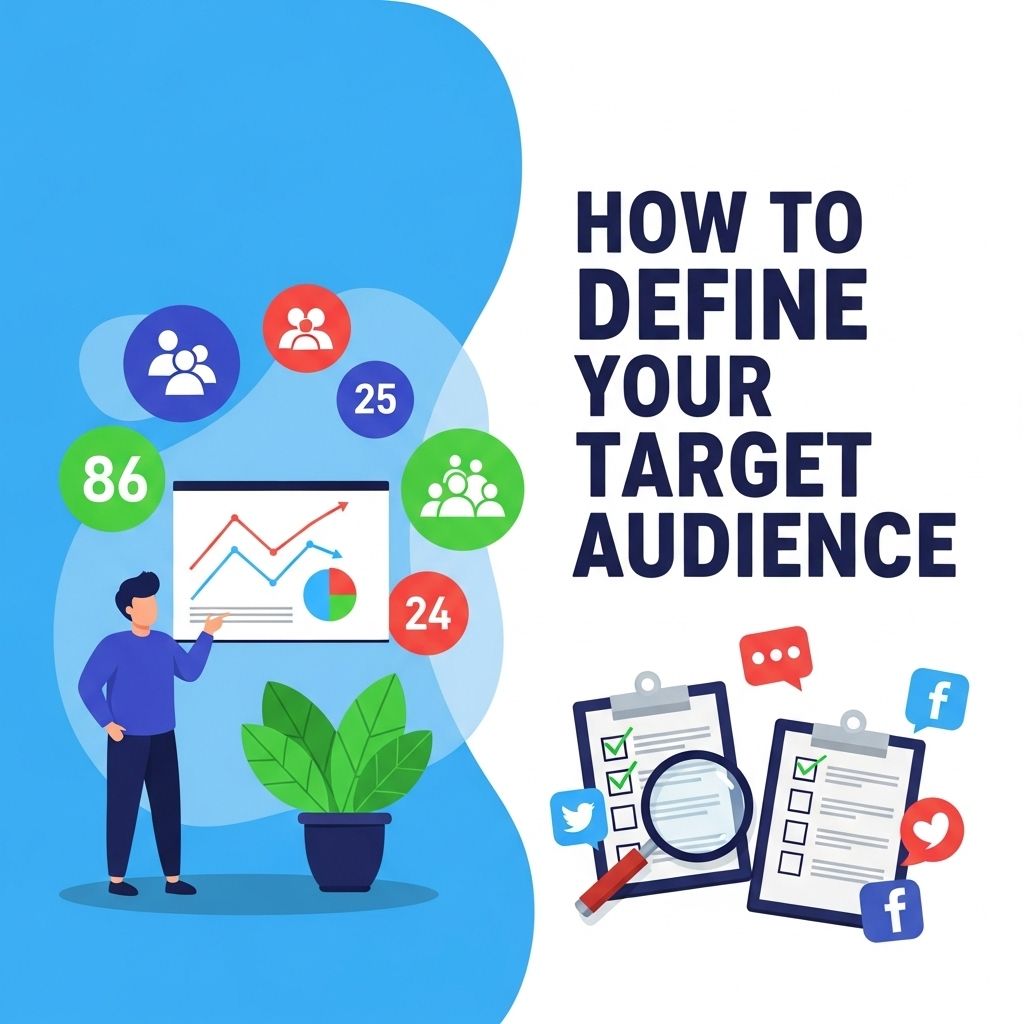
Knowing your target audience is crucial for any business or marketing strategy. It helps you tailor your products, services, and messaging to meet the specific needs of your audience. In a digital environment buzzing with endless options, the key to standing out lies in understanding who you are trying to reach. This article will guide you through the steps to effectively define your target audience, using various tools and techniques.
Defining your target audience is a crucial step in any branding strategy, as it helps you tailor your message and connect effectively with potential customers. By understanding demographics, interests, and behaviors, you can create visuals and content that resonate with your audience. To see how effective design can elevate your brand, check out our premium logo mockups.
Understanding the Importance of a Target Audience
Defining your target audience isn’t just about demographic information; it encompasses understanding their behaviors, preferences, and pain points. Here are some reasons why clearly identifying your target audience is essential:
- Improved Marketing Efficiency: Directing your marketing efforts towards a specific audience reduces wasted resources and increases conversion rates.
- Enhanced Product Development: Knowing what your audience wants helps in designing products that meet their needs.
- Stronger Customer Relationships: Tailoring your communication fosters connection and loyalty.
- Competitive Advantage: Understanding your audience can provide insights that keep you ahead of competitors.
Steps to Define Your Target Audience
To effectively define your target audience, follow these steps:
1. Conduct Market Research
Market research is the foundation for understanding your audience. You can gather qualitative and quantitative data through various methods:
- Surveys: Create online surveys to gather feedback from existing customers.
- Interviews: Conduct one-on-one interviews for in-depth insights.
- Focus Groups: Organize sessions with potential customers to discuss their perceptions and attitudes.
- Competitor Analysis: Analyze your competitors’ audience to uncover potential gaps.
2. Analyze Your Current Customers
Review your existing customer base to identify common traits. Use analytics tools to gather data on:
| Data Point | Tools |
|---|---|
| Demographics | Google Analytics, Facebook Insights |
| Purchase Behavior | CRM Systems |
| Preferences | Email Campaign Reports |
3. Create Buyer Personas
Buyer personas are fictional representations of your ideal customers. They help you visualize and understand the motivations behind purchasing decisions. When creating buyer personas, consider:
- Demographics: Age, gender, location, education, etc.
- Psychographics: Interests, values, lifestyle, etc.
- Challenges: What problems are they looking to solve?
- Goals: What are their aspirations?
4. Segment Your Audience
Once you have gathered data, it’s time to segment your audience into groups based on shared characteristics. Common segmentation criteria include:
- Demographic Segmentation: Age, gender, income level.
- Geographic Segmentation: Location, climate, population density.
- Behavioral Segmentation: Purchase history, brand loyalty, usage rate.
- Psychographic Segmentation: Lifestyle, values, personality traits.
Tools for Defining Your Target Audience
There are many tools available to assist in the process of defining your target audience. Here are some recommended options:
1. Google Analytics
This powerful tool provides insights into website traffic, user demographics, and behaviors that can help you understand your audience better.
2. Social Media Insights
Platforms like Facebook and Instagram offer analytics for personal accounts and business pages that reveal demographic data about your followers.
3. SurveyMonkey
Utilize this tool to create and distribute surveys to gather feedback from your target demographic effectively.
4. HubSpot
HubSpot’s marketing software includes audience segmentation and analytics features to help identify your target market.
Common Mistakes to Avoid
Identifying your target audience can be a daunting task, but avoiding common pitfalls can streamline the process. Here are some mistakes to steer clear of:
- Assuming Everyone is Your Audience: Narrow your focus to a specific group rather than trying to appeal to all.
- Lack of Research: Failing to conduct adequate research can lead to misinterpretation of your audience.
- Ignoring Feedback: Customer feedback is invaluable. Ignoring it can result in losing touch with your audience’s needs.
- Static Audience Definition: Your audience can change; regularly reassess and adapt your strategy.
Conclusion
Defining your target audience is an ongoing process that requires careful consideration and consistent evaluation. By conducting thorough market research, creating buyer personas, and utilizing the right tools, you can develop a deep understanding of the audience you wish to reach. This insight will not only enhance your marketing efforts but also foster meaningful relationships with your customers, ultimately contributing to the success of your business.
FAQ
What is a target audience?
A target audience is a specific group of people identified as the intended recipients of a marketing message or campaign.
Why is defining a target audience important?
Defining a target audience helps businesses tailor their marketing strategies, ensuring that their messages resonate with the right people and ultimately drive conversions.
What are the key factors to consider when defining a target audience?
Key factors include demographics (age, gender, income), psychographics (interests, values), behavior (buying habits), and geographic location.
How can I gather data to define my target audience?
You can gather data through market research, surveys, social media analytics, customer feedback, and analyzing competitors.
Can my target audience change over time?
Yes, target audiences can evolve due to changes in market trends, consumer behavior, or business offerings, so it’s important to periodically reassess your audience.
How can I create a customer persona for my target audience?
To create a customer persona, compile information on your audience’s demographics, interests, pain points, and buying behaviors to craft a detailed representation of your ideal customer.