5 Essential Tools for Powerful Brand Storytelling
Discover 5 essential tools to enhance your brand storytelling and engage your audience effectively. Unlock your brand's narrative today!
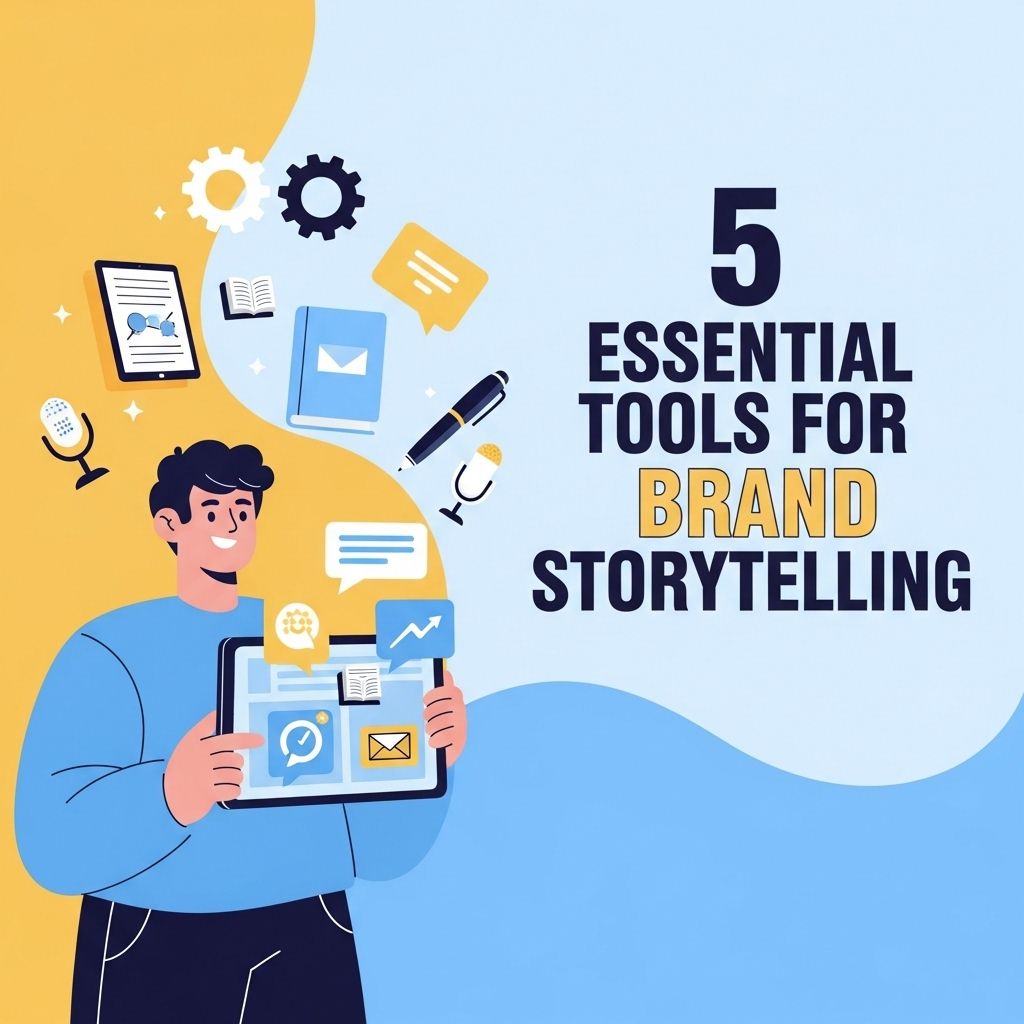
In the digital age, where attention spans are shorter than ever, the ability to effectively tell a brand’s story can make or break a business. Brand storytelling is not just about crafting a narrative; it’s about creating an emotional connection with your audience, building trust, and fostering loyalty. In this article, we will explore five essential tools that can enhance your brand storytelling efforts and help you engage your audience on a deeper level.
In today’s competitive landscape, effective brand storytelling is crucial for connecting with audiences and building loyalty. To craft compelling narratives, leveraging the right tools can make all the difference. Explore our logo mockup collection for visual inspiration that can elevate your brand’s story: explore our logo mockup collection.
1. Visual Storytelling Tools
Visual content plays a crucial role in storytelling. It captures attention and conveys complex ideas quickly and effectively. Here are some top visual storytelling tools:
- Canva: A user-friendly graphic design tool that allows brands to create visually appealing graphics, infographics, and presentations without needing extensive design skills.
- Adobe Spark: This tool helps you to create stunning visual content, including videos, social media posts, and webpages, that can tell your brand’s story.
- Piktochart: A tool specifically tailored for creating infographics, which can depict data-driven stories in an engaging and easily digestible format.
Why Visual Storytelling Matters
Visual storytelling matters because it:
- Attracts attention more effectively than text alone.
- Enhances information retention by engaging multiple senses.
- Can evoke emotions and connect with your audience’s values.
2. Content Management Systems (CMS)
A robust content management system is foundational for any brand looking to tell its story online. It allows you to create, manage, and publish your content seamlessly. Some popular CMS options include:
| CMS | Key Features | Ideal For |
|---|---|---|
| WordPress | Highly customizable, extensive plugins, SEO friendly | Blogs, corporate websites |
| Wix | Drag-and-drop editor, templates, built-in marketing tools | Small businesses, portfolios |
| Squarespace | Beautiful templates, e-commerce capabilities, analytics | Creatives, online stores |
Choosing the Right CMS
When selecting a CMS, consider:
- Your technical skills and resources.
- The types of content you want to produce.
- Your budget for ongoing costs or maintenance.
3. Social Media Platforms
Social media is a powerful tool for storytelling, allowing brands to share their narratives in real-time. Platforms like:
- Instagram: Ideal for visual storytelling through photos and stories. Brands can engage audiences with behind-the-scenes content.
- Twitter: Perfect for short, impactful messages and real-time updates. Brands can engage in conversations and share news.
- LinkedIn: Great for B2B storytelling, sharing industry insights, and showcasing company culture.
Crafting Your Social Media Narrative
To effectively use social media for storytelling:
- Define your brand voice and persona.
- Regularly engage with your audience through comments and direct messages.
- Share user-generated content to build community and trust.
4. Video Production Tools
Video has become one of the most effective mediums for storytelling, offering an immersive experience that written content cannot match. Here are some essential video production tools:
- Animoto: An easy-to-use video maker that allows brands to create promotional videos from photos and video clips.
- Adobe Premiere Pro: A professional video editing software for more advanced storytelling needs, offering extensive editing features.
- Vimeo: Besides hosting, Vimeo offers video creation tools that can help brands produce high-quality content.
Engaging with Video Content
To maximize engagement with video content:
- Keep videos short and to the point.
- Incorporate storytelling elements like characters and conflict.
- Utilize high-quality visuals and sound to maintain viewer interest.
5. Analytics and Feedback Tools
Data-driven storytelling is essential in understanding how your audience interacts with your content. Here are some analytics tools that can help:
- Google Analytics: Provides insights into website traffic, user behavior, and content performance.
- Hotjar: Offers heat maps and session recordings to visualize user engagement on your site.
- SurveyMonkey: Enables brands to collect feedback directly from audiences to inform storytelling strategies.
Using Data to Shape Your Story
To effectively leverage analytics:
- Define key performance indicators (KPIs) for your storytelling efforts.
- Regularly review data to identify what resonates with your audience.
- Adjust your content strategy based on feedback and engagement metrics.
Conclusion
Brand storytelling is a powerful tool that can differentiate your business in a saturated market. By utilizing these five essential tools—visual storytelling tools, content management systems, social media platforms, video production tools, and analytics—you can create compelling narratives that resonate with your audience. Remember, the key to effective storytelling lies in making genuine connections and delivering value through your content.
FAQ
What are the essential tools for effective brand storytelling?
The essential tools for effective brand storytelling include content management systems, social media platforms, graphic design software, video editing tools, and analytics tools.
How can graphic design software enhance brand storytelling?
Graphic design software helps create visually appealing content that can convey your brand’s story, making it more engaging and memorable for your audience.
Why is video editing software important for brand storytelling?
Video editing software allows brands to create compelling video narratives that resonate with audiences, providing a dynamic way to share their story.
What role do social media platforms play in brand storytelling?
Social media platforms facilitate direct engagement with audiences, allowing brands to share their stories in real-time and build a community around their narrative.
How can analytics tools improve brand storytelling?
Analytics tools provide insights into audience behavior and preferences, helping brands refine their storytelling strategies for better engagement and impact.
Can content management systems streamline brand storytelling?
Yes, content management systems help organize and publish storytelling content efficiently, ensuring that your brand’s narrative is consistently communicated across platforms.