Mastering Cloud Computing: A Complete Guide
Unlock the fundamentals of cloud computing with our comprehensive guide. Perfect for beginners and professionals alike!
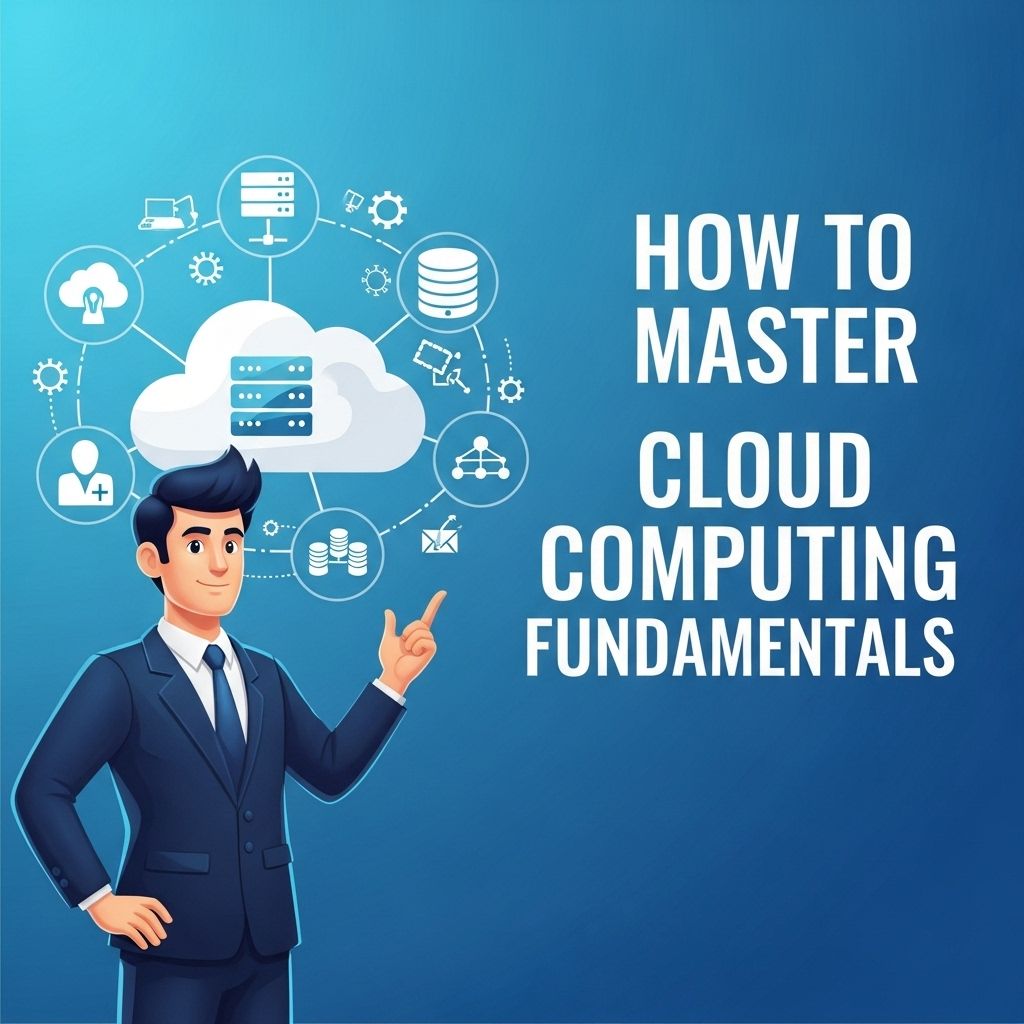
In the rapidly evolving landscape of technology, understanding cloud computing is no longer optional; it’s essential. As businesses increasingly turn to cloud solutions to improve efficiency and reduce costs, the demand for professionals who can navigate this domain has soared. This article serves as a comprehensive guide for those looking to master the fundamentals of cloud computing, providing insights into key concepts, major providers, deployment models, and best practices.
In the rapidly evolving digital landscape, mastering cloud computing has become essential for businesses and individuals alike. This complete guide will provide you with the necessary insights and skills to navigate this powerful technology effectively. To complement your cloud strategies, you can explore our logo mockup collection to enhance your branding efforts.
Understanding Cloud Computing
At its core, cloud computing refers to the delivery of computing services such as servers, storage, databases, networking, software, analytics, and intelligence over the internet (the cloud). This technology enables flexible resources, faster innovation, and economies of scale.
Key Characteristics of Cloud Computing
- On-Demand Self-Service: Users can provision resources automatically without requiring human interaction with service providers.
- Broad Network Access: Services are available over the network and accessed through standard mechanisms that promote use across various platforms.
- Resource Pooling: The provider’s computing resources are pooled to serve multiple consumers using a multi-tenant model.
- Rapid Elasticity: Capabilities can be elastically provisioned and released to scale rapidly outward and inward with demand.
- Measured Service: Cloud systems automatically control and optimize resource use by leveraging a metering capability.
Major Cloud Service Models
Cloud computing is generally categorized into three main service models:
- Infrastructure as a Service (IaaS): Provides virtualized computing resources over the internet. Users rent IT infrastructure instead of purchasing it. Examples include Amazon EC2, Google Compute Engine, and Microsoft Azure.
- Platform as a Service (PaaS): Offers hardware and software tools over the internet. PaaS is primarily used for application development. Examples include Google App Engine, Microsoft Azure App Services, and Heroku.
- Software as a Service (SaaS): Delivers applications over the internet on a subscription basis. Users access software via the web rather than installing it on their local machines. Examples include Google Workspace, Salesforce, and Dropbox.
Cloud Deployment Models
Cloud services can be deployed in several ways, tailored to the needs of the organization:
| Deployment Model | Description |
|---|---|
| Public Cloud | Resources are owned and operated by third-party cloud service providers and delivered over the internet. |
| Private Cloud | Exclusive use by a single organization, offering more control and security. |
| Hybrid Cloud | Combines public and private clouds, allowing for data and applications to be shared between them. |
| Community Cloud | Shared infrastructure for a specific community of users from organizations with common concerns. |
Key Benefits of Cloud Computing
The advantages of transitioning to cloud computing are significant:
- Cost Efficiency: Reduces the cost of hardware and software purchases and maintenance.
- Scalability: Easily adjust resources based on fluctuating business requirements.
- Performance: Major cloud services run on worldwide networks of secure data centers, providing enhanced performance and reliability.
- Security: Cloud providers offer advanced security features that guarantee data protection.
- Disaster Recovery: Improved data backup and recovery solutions help prevent data loss.
Getting Started with Cloud Computing
To effectively master the fundamentals of cloud computing, consider the following steps:
1. Explore Cloud Fundamentals
Start with the basic concepts and terminologies associated with cloud computing. Familiarize yourself with the service and deployment models.
2. Choose a Cloud Service Provider
Experiment with major cloud platforms like:
- Amazon Web Services (AWS)
- Microsoft Azure
- Google Cloud Platform (GCP)
Sign up for free tiers offered by these providers to get hands-on experience.
3. Take Online Courses
Enroll in courses dedicated to cloud computing. Platforms like Coursera, Udemy, and edX offer comprehensive courses tailored for beginners.
4. Work on Projects
Implement what you learn through real-world projects. Create applications, set up virtual machines, and utilize cloud databases.
5. Stay Updated
The cloud landscape is constantly changing; keep abreast with the latest trends and technologies by following reputable tech blogs and news outlets.
Essential Tools for Cloud Computing
There are numerous tools that can enhance your cloud experience:
- Cloud Management Platforms: Tools like CloudHealth and RightScale help manage cloud resources across multiple providers.
- Development Tools: Cloud IDEs such as Cloud9 or Visual Studio Code enable you to write and deploy code directly in the cloud.
- Monitoring and Security: Tools like Datadog, Sumo Logic, and CloudSploit assist in maintaining system health and security.
Best Practices for Cloud Computing
To maximize the benefits of cloud computing, adhere to best practices:
- Evaluate Your Needs: Understand your specific business requirements before adopting cloud solutions.
- Implement Security Measures: Always prioritize data security; use encryption and set strict access controls.
- Monitor Costs: Keep track of your cloud spending to avoid unexpected charges.
- Regularly Backup Data: Implement robust backup solutions to protect against data loss.
The Future of Cloud Computing
As technology continues to advance, the cloud computing landscape is set for exciting changes. Emerging trends such as edge computing, serverless architecture, and AI integration are likely to shape the future of cloud services.
In conclusion, mastering cloud computing fundamentals is an invaluable skill set for professionals in today’s tech-centric world. By understanding key concepts, engaging with major providers, and implementing best practices, you can position yourself as an adaptable and knowledgeable resource in the ever-evolving tech landscape.
FAQ
What are the key components of cloud computing?
The key components of cloud computing include infrastructure as a service (IaaS), platform as a service (PaaS), software as a service (SaaS), cloud storage, and cloud security.
What are the benefits of mastering cloud computing fundamentals?
Mastering cloud computing fundamentals can lead to improved career opportunities, increased efficiency in managing IT resources, and the ability to leverage advanced technologies for business growth.
How can I start learning cloud computing?
You can start learning cloud computing by taking online courses, participating in webinars, reading relevant books, and practicing with cloud platforms like AWS, Azure, or Google Cloud.
What certifications are available for cloud computing?
Popular cloud computing certifications include AWS Certified Solutions Architect, Microsoft Certified: Azure Administrator Associate, and Google Cloud Professional Cloud Architect.
Are there free resources to learn cloud computing?
Yes, there are many free resources available to learn cloud computing, including online courses on platforms like Coursera, edX, and free tutorials on YouTube.
What industries benefit the most from cloud computing?
Industries such as healthcare, finance, education, and retail benefit significantly from cloud computing due to improved data management, scalability, and cost efficiency.