Mastering Sales Copy: Proven Techniques That Sell
Learn essential strategies to craft compelling sales copy that converts readers into buyers. Unlock the secrets to persuasive writing today!
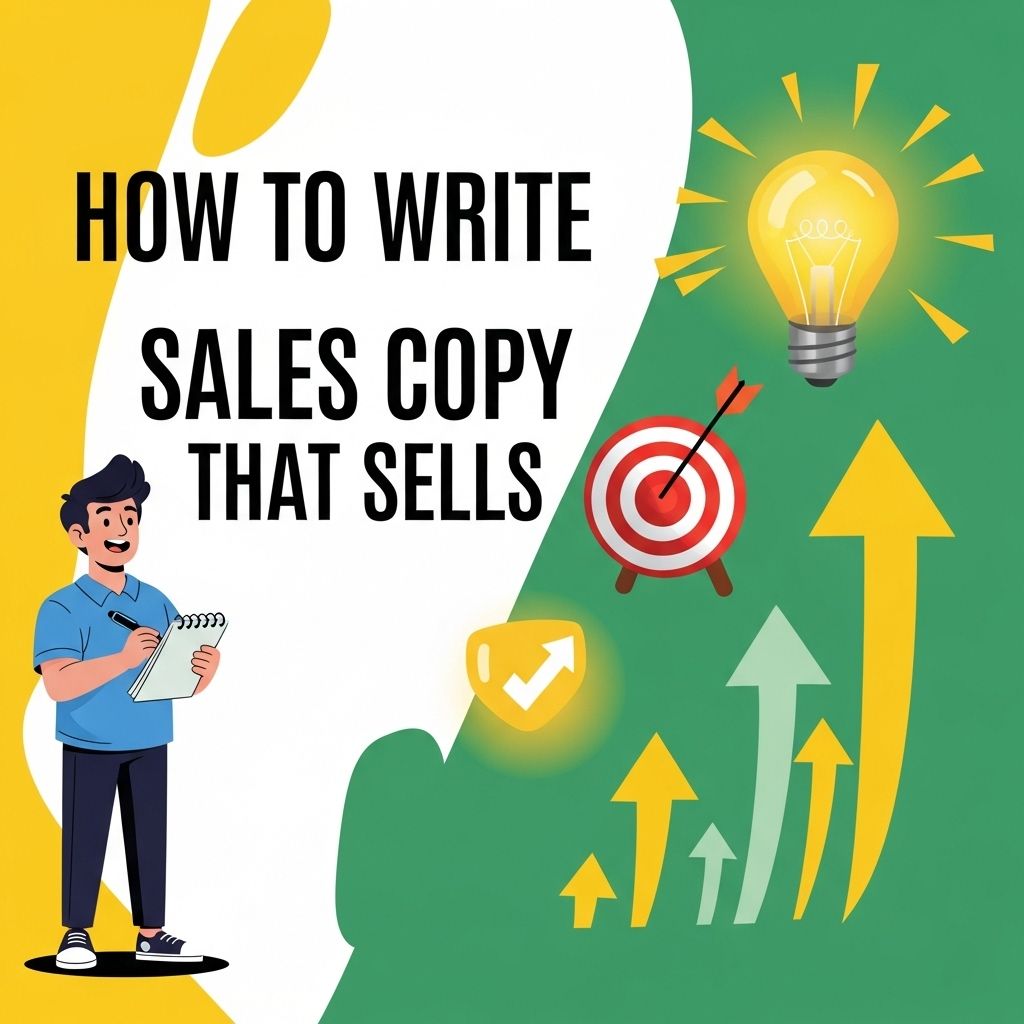
Crafting compelling sales copy is both an art and a science. It requires a deep understanding of your audience, their pain points, and how your product or service can solve their problems. In this article, we will explore various techniques and strategies to write sales copy that not only grabs attention but also converts readers into loyal customers.
Mastering sales copy requires a blend of art and science, utilizing proven techniques that convert readers into buyers. Understanding the nuances of persuasive language, audience insight, and emotional triggers can elevate your writing. To see practical applications of branding, explore our logo mockup collection for inspiration.
Understanding Your Audience
The first step in writing effective sales copy is to understand your target audience. Knowing their demographics, preferences, and pain points is essential to tailor your message. Here are some strategies to gain insights into your audience:
- Conduct surveys and interviews.
- Analyze customer feedback and reviews.
- Use social media analytics to understand behaviors.
Building Buyer Personas
Creating detailed buyer personas can help you visualize your ideal customer. A typical buyer persona includes:
| Attribute | Description |
|---|---|
| Name | A fictional representation of your ideal customer. |
| Demographics | Age, gender, income, education, etc. |
| Interests | Hobbies, preferences, and media consumption habits. |
| Challenges | Specific problems or pain points they encounter. |
| Goals | Objectives or aspirations they wish to achieve. |
Crafting Your Message
Once you understand your audience, the next step is to craft a message that resonates with them. Here are key elements to include:
Headline Creation
Your headline is the first thing potential customers will see, so it must be attention-grabbing. Consider these tips:
- Use numbers or statistics.
- Pose a question that intrigues.
- Make a bold statement or promise.
The Opening Paragraph
After your headline, the opening paragraph should draw readers in further. Use storytelling, vivid imagery, or a relatable scenario. For instance:
Imagine waking up every morning feeling energized and ready to take on the day. With our revolutionary product, that dream can become your reality!
Highlighting Benefits Over Features
Customers are generally more interested in how a product or service can benefit them rather than what it does. Here’s how to effectively communicate benefits:
Feature vs. Benefit
Consider the difference:
- Feature: 10-hour battery life.
- Benefit: Enjoy uninterrupted work or play without frequent recharging.
Using Emotional Appeals
Emotional triggers can significantly enhance the persuasive power of your copy. Some common emotions to tap into are:
- Fear of missing out (FOMO)
- Desire for success
- Sense of belonging
Creating Urgency
To encourage immediate action, it’s important to create a sense of urgency. Here are some techniques:
- Limited time offers.
- Scarcity of products (e.g., “Only 3 left in stock!”).
- Countdown timers on sales pages.
Call to Action (CTA)
Your CTA is crucial—it tells readers what to do next. Make it specific and action-oriented. Examples include:
- “Buy Now and Save 20%”
- “Sign Up for Free Today”
- “Join Our Community of Innovators”
Formatting Your Copy for Readability
Even the best sales copy can fall flat if it isn’t easy to read. Here are some formatting tips:
Use Short Paragraphs
Keep paragraphs to 2-4 sentences. This boosts readability, especially on digital platforms.
Incorporate Visual Elements
Break up large blocks of text with relevant images, infographics, or videos. This not only enhances the aesthetic but also aids in understanding.
Utilize Bullet Points and Lists
Lists make key points easily digestible. Here’s an example:
- High-quality materials
- Eco-friendly production
- Customizable features
Testing and Optimization
Writing effective sales copy is an ongoing process. It’s essential to test different versions of your copy to see what resonates best with your audience. Consider:
A/B Testing
Create two versions of your copy and measure which one performs better. This can apply to:
- Different headlines
- Varying CTAs
- Different layouts
Analytics and Feedback
Use analytics tools to monitor engagement and conversion rates. Adjust your strategies based on data-driven insights.
Conclusion
Writing sales copy that sells is a dynamic and rewarding process. By understanding your audience, crafting a compelling message, creating urgency, and continually optimizing your approach, you can enhance your chances of converting interest into action. Remember, the key is to maintain a customer-centric focus while utilizing proven copywriting techniques.
FAQ
What is sales copy?
Sales copy is persuasive writing aimed at encouraging readers to take a specific action, such as making a purchase or signing up for a newsletter.
What are the key elements of effective sales copy?
Effective sales copy includes a strong headline, clear benefits, compelling storytelling, a sense of urgency, and a strong call to action.
How can I identify my target audience for sales copy?
Identify your target audience by analyzing demographics, interests, pain points, and behaviors to tailor your message effectively.
What techniques can I use to evoke emotion in sales copy?
Use storytelling, relatable scenarios, and vivid imagery to evoke emotions that resonate with your audience and drive them to act.
How important is a call to action in sales copy?
A call to action is crucial as it directs readers on what to do next, making it easier for them to convert into customers.
What common mistakes should I avoid when writing sales copy?
Avoid jargon, being too pushy, neglecting the benefits, and failing to proofread your copy for errors.