Boost Revenue with Effective Email Marketing Strategies
Discover proven strategies to enhance your email marketing efforts and significantly boost your revenue. Start optimizing your campaigns today!
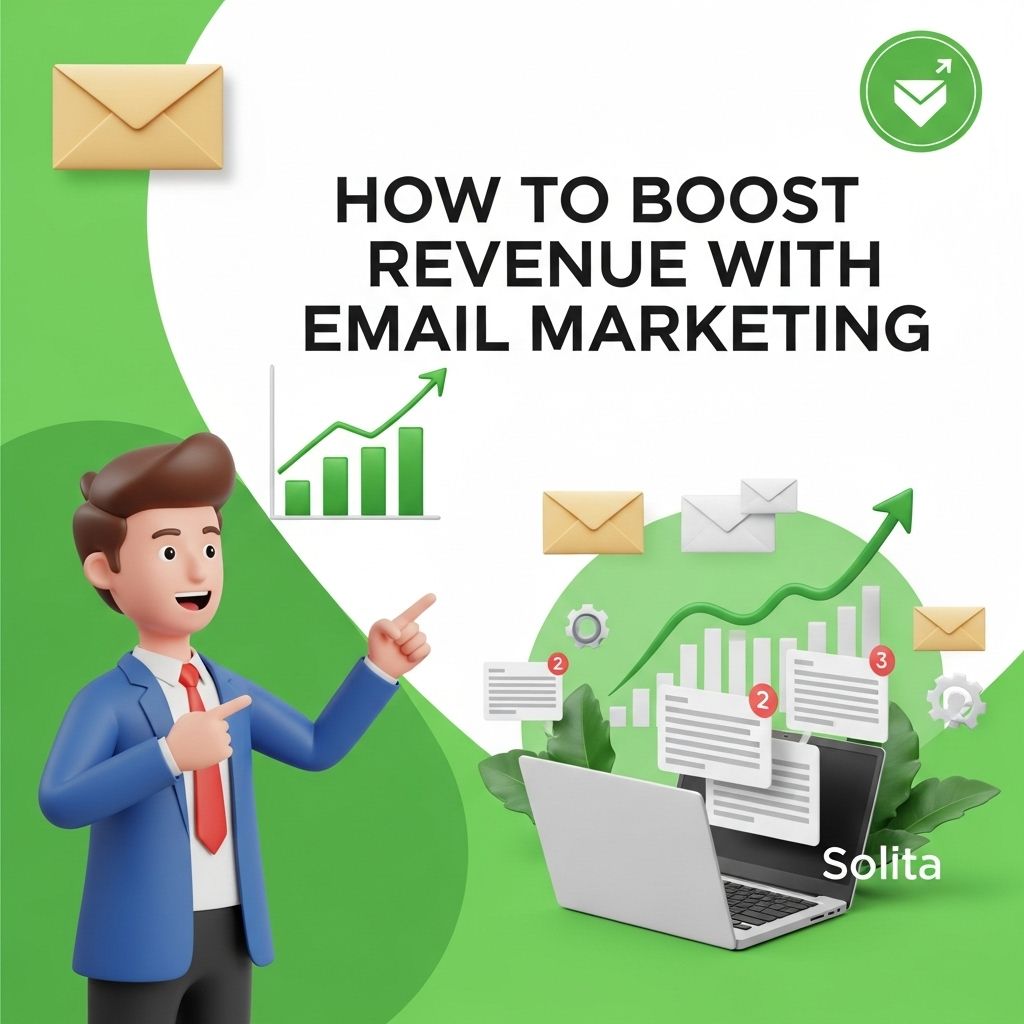
Email marketing is more than just sending newsletters to your subscribers; it’s a powerful tool that can significantly boost your revenue when executed correctly. In today’s digital age, where consumers are inundated with advertisements and promotions, a well-crafted email strategy can cut through the noise and deliver personalized content directly to your audience’s inbox. This article focuses on how to leverage email marketing effectively to increase your revenue streams.
Effective email marketing strategies can significantly boost your revenue by engaging customers and driving conversions. By leveraging techniques such as personalized content and targeted segmentation, businesses can cultivate meaningful relationships with their audience. To enhance your visual branding in these campaigns, learn how to use logo mockups effectively.
Understanding Your Audience
Before launching any email marketing campaign, it’s critical to understand your target audience. Knowing who they are and what they want will help you craft messages that resonate with them. Here are some methods to better understand your audience:
- Segmentation: Divide your email list into segments based on demographics, interests, or previous interactions.
- Surveys: Send surveys to gather insights about preferences and behaviors.
- Analytics: Use data analytics tools to assess how different segments respond to your emails.
Building a Quality Email List
An effective email marketing campaign starts with a robust email list. Here are some strategies to build and maintain a quality list:
1. Offer Incentives
People love free stuff. Consider offering:
- Discounts on first purchases
- Exclusive access to content or products
- Entry into giveaways
2. Use Signup Forms
Embed signup forms on your website, blog posts, and social media profiles to capture email addresses. Ensure the forms are easy to fill out and prominent.
3. Leverage Social Media
Promote your email list through all your social media channels. Utilize engaging posts and stories to encourage followers to subscribe.
Crafting Compelling Content
The content of your email is what will drive engagement. Here are some tips on creating compelling content:
1. Personalization
Personalized emails have higher open and click-through rates. Use the recipient’s name and tailor content based on their preferences. For example:
| Action | Benefit |
|---|---|
| Using the recipient’s name | Increase open rates |
| Recommending products based on past purchases | Drive sales |
2. Create a Strong Subject Line
Your subject line is the first thing recipients will see, so make it catchy and relevant. Experiment with different styles, such as:
- Questions
- Urgency (e.g., “Limited Time Offer”)
- Curiosity
3. Call to Action (CTA)
Every email should have a clear CTA that guides readers on what to do next, whether it’s visiting your website, making a purchase, or sharing your email with friends.
Automating Your Email Campaigns
Email automation can save you time and ensure timely engagement with your audience. Here are key automation strategies:
1. Welcome Emails
Send automated welcome emails to new subscribers to introduce your brand. This sets the tone for future communications.
2. Re-Engagement Campaigns
Identify inactive subscribers and create a campaign to win them back with special offers or updated content.
3. Cart Abandonment Emails
Send reminders to customers who leave items in their cart without completing the purchase. Include a little nudge, like a discount code, to encourage them to finalize their order.
Analyzing Performance
To boost revenue effectively, you must consistently analyze your email marketing performance. Key metrics to track include:
- Open Rate: The percentage of recipients who opened your email.
- Click-Through Rate (CTR): The percentage of recipients who clicked on a link within your email.
- Conversion Rate: The percentage of recipients who completed the desired action (e.g., making a purchase).
Utilize tools such as Google Analytics, Mailchimp, or HubSpot to track these metrics and identify areas for improvement.
Best Practices for Email Marketing
To maximize your efforts, consider the following best practices:
1. Consistency
Maintain a regular schedule for sending emails, whether it’s weekly, bi-weekly, or monthly. Consistency helps keep your brand top-of-mind.
2. Mobile Optimization
Ensure your emails are mobile-friendly. A significant portion of users check emails on their phones, so your design should look good on all devices.
3. A/B Testing
Experiment with different elements of your emails, from subject lines to CTA placement, to see what works best for your audience.
Conclusion
Email marketing remains one of the most effective tools for driving revenue. By understanding your audience, building a quality email list, creating engaging content, automating your campaigns, and continually analyzing your performance, you can create a strategy that not only boosts your revenue but also fosters lasting relationships with your customers. Start implementing these strategies today, and watch your email marketing efforts pay off!
FAQ
What are effective strategies to boost revenue with email marketing?
Effective strategies include segmenting your audience, personalizing content, optimizing send times, and utilizing A/B testing to refine your campaigns.
How can I increase open rates in my email marketing campaigns?
To increase open rates, focus on crafting compelling subject lines, using targeted segmentation, and maintaining a clean email list to ensure you’re reaching engaged subscribers.
What types of email campaigns are best for driving sales?
Promotional emails, cart abandonment reminders, and personalized product recommendations are some of the best types of campaigns for driving sales.
How often should I send marketing emails to my subscribers?
The frequency of emails should balance engagement and avoiding fatigue; typically, sending 1-4 times a month is effective, but it may vary based on your audience’s preferences.
What metrics should I track to measure the success of my email marketing?
Key metrics to track include open rates, click-through rates, conversion rates, and return on investment (ROI) to gauge the effectiveness of your email campaigns.
How can I use automation in my email marketing to increase revenue?
Utilizing automation for welcome series, follow-up emails, and personalized recommendations can help streamline your campaigns and significantly increase revenue.