10 Minimalist Interior Design Ideas for 2025
Discover 10 innovative minimalist interior design ideas for 2025 that will transform your space into a serene and stylish haven.
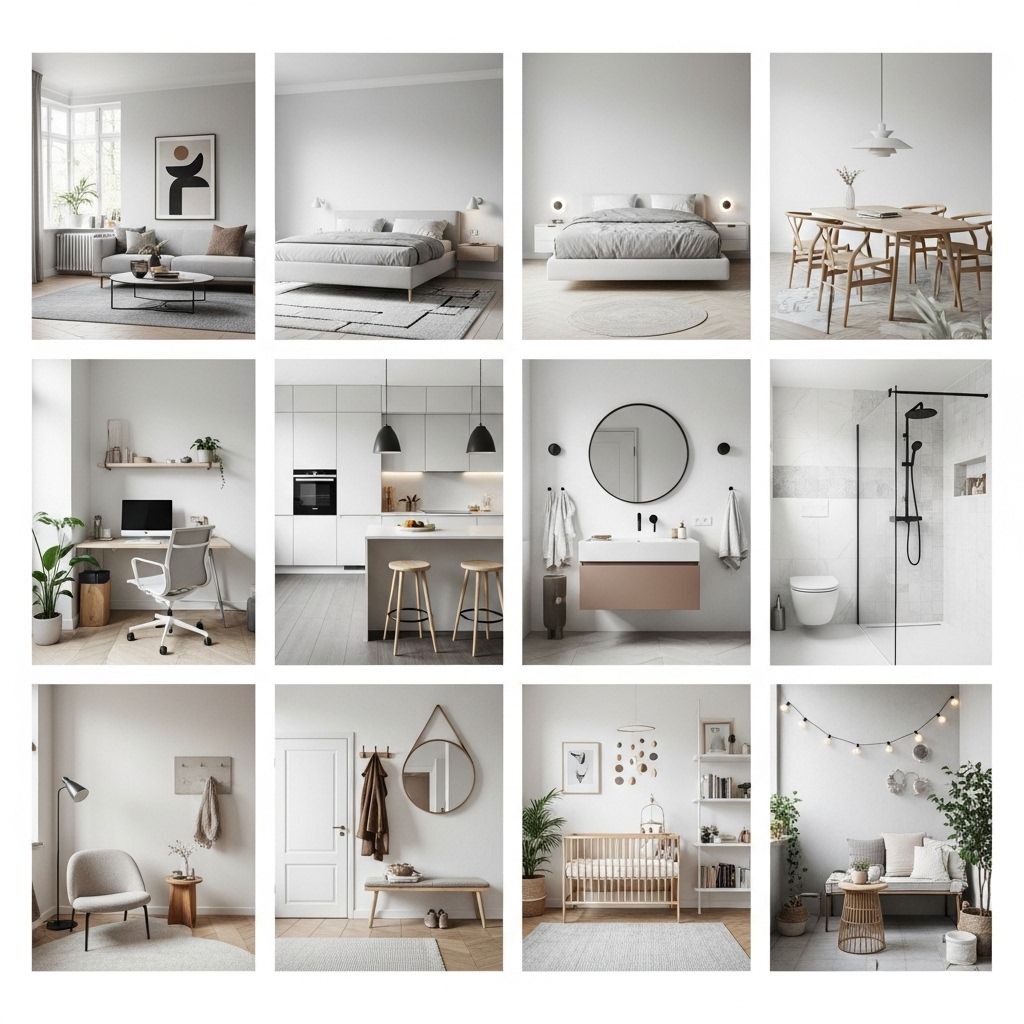
Minimalist interior design has become a hallmark of modern aesthetics, emphasizing simplicity and functionality. As we move into 2025, this design philosophy continues to evolve, incorporating innovative materials, sustainable practices, and smart technology. This article presents ten fresh ideas that embrace minimalism while keeping your spaces stylish and functional. Whether you are redesigning your home or looking for inspiration, these concepts will guide you through creating serene environments that reflect modern living.
As we look ahead to 2025, minimalist interior design continues to captivate with its clean lines and functional beauty. Emphasizing simplicity and efficiency, this approach transforms spaces into serene and stylish environments. For those interested in enhancing their designs digitally, see how to use 3D mockups effectively.
1. Emphasizing Natural Light
Natural light can transform a space, making it feel larger and more inviting. To enhance natural light in your home:
- Use sheer window treatments to allow light to filter in while maintaining privacy.
- Incorporate mirrors strategically to reflect light and add depth to rooms.
- Opt for lighter paint colors that amplify brightness.
Benefits:
Natural light improves mood, reduces energy costs, and creates a more open, airy atmosphere.
2. Sustainable Materials
As sustainability becomes more critical, using eco-friendly materials is a key trend in minimalist design. Consider the following:
- Bamboo: Perfect for flooring and furniture as it is renewable and durable.
- Recycled materials: Look for furniture made from reclaimed wood or recycled metals.
- Natural fibers: Use rugs and textiles made from materials like jute and organic cotton.
Impact:
Incorporating sustainable materials not only reduces your environmental footprint but also enhances the aesthetic appeal of your space.
3. Smart Technology Integration
Home automation is aligning perfectly with minimalist principles. Smart technology can simplify daily tasks and enhance your living experience:
- Invest in smart lighting that can be controlled via apps or voice assistants.
- Use smart thermostats to optimize energy usage.
- Consider automated window shades that adjust based on sunlight.
Benefits:
Seamless technology integration minimizes clutter and adds convenience to your lifestyle.
4. Function Over Form
In minimalist design, the function of each item should be prioritized. This approach leads to:
- Choosing furniture that serves multiple purposes, such as a sofa bed or an ottoman with storage.
- Incorporating built-in storage solutions to reduce clutter.
- Focusing on essential items that enhance comfort and usability.
Consideration:
Before purchasing new items, ask yourself if they serve a particular purpose or enhance your daily life.
5. Monochromatic Color Palettes
Sticking to a monochromatic color scheme can create a cohesive, calming effect:
- Choose shades of one color to maintain uniformity.
- Add texture through varying materials to keep the design visually interesting.
- Use different tones in various rooms for a subtle transition.
Examples:
| Color | Rooms | Highlight Features |
|---|---|---|
| Gray | Living Room | Textured throw blankets, soft furnishings |
| Beige | Bedroom | Layered linens, wooden accents |
| Green | Kitchen | Herb pots, natural wood cabinetry |
6. Open Spaces
Open floor plans promote a sense of freedom and flow. Here’s how to achieve this:
- Knock down non-structural walls to create flowing spaces.
- Utilize room dividers that are lightweight and easily movable.
- Ensure furniture arrangement allows for easy movement between areas.
Benefits:
An open space not only looks larger but also fosters social interaction.
7. Minimalist Artwork
Art in a minimalist space should be thought-provoking yet simple:
- Choose large pieces that make a statement without overwhelming the space.
- Opt for abstract works or monochromatic photography.
- Use a gallery wall to showcase a curated collection without clutter.
Consideration:
Ensure the artwork complements the overall minimalist theme and enhances the room’s ambiance.
8. Multi-Functional Furniture
With the rise of urban living, multi-functional furniture is essential. Consider:
- Wall-mounted desks that can fold away when not in use.
- Storage beds that utilize the space underneath for organization.
- Convertible furniture that adapts to your needs, such as nesting tables.
Impact:
Multi-functional furniture maximizes space without sacrificing style.
9. Minimalist Landscaping
Outdoor spaces should reflect the minimalist ethos:
- Incorporate native plants that require less maintenance.
- Utilize stone pathways or gravel to reduce the need for mowing.
- Add minimalist outdoor furniture that complements the home’s design.
Benefits:
A minimalist garden creates a peaceful retreat and enhances curb appeal.
10. Focus on Quality Over Quantity
Finally, embrace the philosophy of investing in fewer, higher-quality items:
- Choose durable materials that withstand the test of time.
- Invest in artisan pieces that add character and uniqueness.
- Avoid trends that may quickly become outdated, opting instead for timeless designs.
Conclusion:
Embracing minimalism in your interior design for 2025 means creating a space that is not only aesthetically pleasing but also functional and sustainable. By incorporating these ten ideas, you can transform your home into a serene oasis that reflects your lifestyle and values. As the world continues to evolve, so too will our approach to interior design, but the core principles of minimalism will remain timeless.
FAQ
What are the key principles of minimalist interior design?
The key principles of minimalist interior design include simplicity, functionality, and the use of a limited color palette to create a clean and uncluttered space.
How can I incorporate natural elements into minimalist design?
You can incorporate natural elements by using organic materials such as wood, stone, and plants, which add warmth and texture to a minimalist space without overwhelming it.
What colors are trending in minimalist interior design for 2025?
Trending colors for 2025 in minimalist interior design include soft neutrals, pastel tones, and muted earth colors that promote tranquility and simplicity.
How do I choose furniture for a minimalist space?
When choosing furniture for a minimalist space, opt for pieces that are functional, have clean lines, and are made from high-quality materials to ensure they stand the test of time.
What are some storage solutions for maintaining a minimalist look?
Effective storage solutions include built-in cabinets, multifunctional furniture, and hidden storage options that help keep the space organized and free of clutter.
How can lighting enhance a minimalist interior design?
Lighting can enhance a minimalist interior by using natural light, choosing simple light fixtures, and strategically placing them to create a warm and inviting atmosphere.