10 Essential Tools for Building Repeatable Workflows
Discover 10 powerful tools to help you create efficient, repeatable workflows that enhance productivity and streamline your processes.

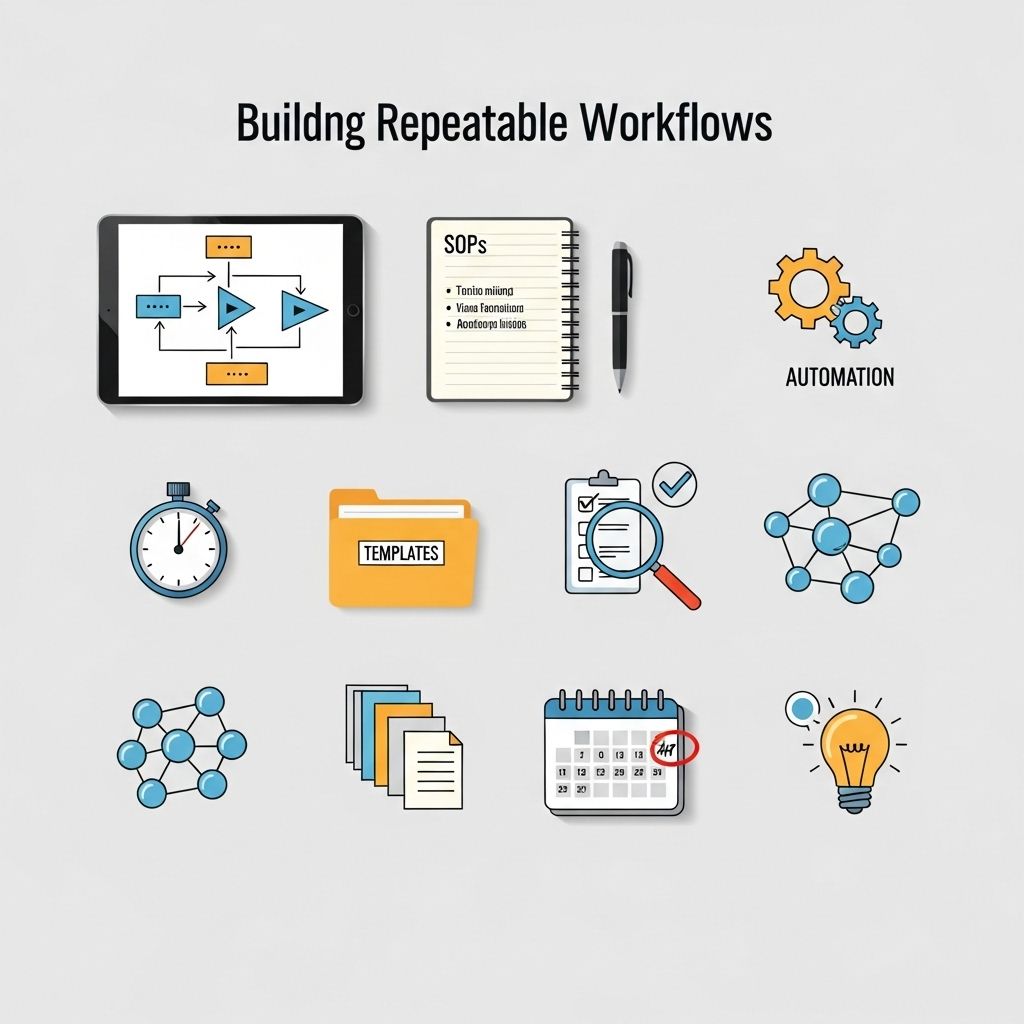
In today’s fast-paced digital environment, efficiency and productivity are paramount. Professionals across various sectors are increasingly seeking ways to streamline their processes and ensure consistency in their output. Workflow automation tools have emerged as critical assets in achieving these goals. By utilizing the right tools, teams can build repeatable workflows that save time, reduce errors, and enhance collaboration. This article explores ten essential tools that empower users to create and implement effective workflows, fostering a culture of efficiency and continuous improvement.
Creating repeatable workflows is essential for streamlining processes and enhancing productivity. In this article, we’ll explore 10 essential tools that can significantly improve your workflow efficiency, from task management to automation solutions. For those looking to enhance their branding with stunning visuals, you can find the best 3D logo templates to elevate your projects.
Table of Contents
1. Zapier
Zapier is a powerful automation tool that connects various applications and automates repetitive tasks without the need for coding. Users can create ‘Zaps’ to link apps and trigger automated actions based on specific events.
Key Features:
- Connects over 3,000 apps.
- Easy-to-use interface for creating automation.
- Multi-step Zaps for complex workflows.
- Conditional logic for more sophisticated automations.
2. Asana
Asana is a project management tool designed to help teams organize, track, and manage their work. It provides features for creating tasks, assigning them to team members, and tracking progress through various stages.
Key Features:
- User-friendly task management system.
- Customizable project templates for repeatability.
- Integration with other tools like Slack, Dropbox, and Google Drive.
3. Trello
Trello uses a visual board and card system to enable users to manage tasks and projects effectively. Its Kanban-style approach allows for intuitive workflow management, making it easy to see the status of different tasks at a glance.
Key Features:
- Visual boards for easy tracking of tasks.
- Checklists for task completion.
- Power-Ups for additional functionality.
4. Monday.com
Monday.com is a work operating system that empowers teams to run projects and workflows with ease. Its versatility allows for customization of workflows to fit specific team needs.
Key Features:
- Customizable templates for various industries.
- Automation of repetitive tasks.
- Real-time collaboration tools.
5. Airtable
Airtable combines the simplicity of a spreadsheet with the power of a database. This tool allows users to create rich, customized databases that can serve as the backbone for organized workflows.
Key Features:
- Templates for various use cases.
- Integration with numerous applications.
- Collaboration features for team input.
6. Notion
Notion is an all-in-one workspace that combines note-taking, task management, and project planning. Its flexibility makes it an excellent tool for creating repeatable workflows tailored to different contexts.
Key Features:
- Customizable pages for different projects.
- Database functionality for tracking tasks and information.
- Integration capabilities with other tools.
7. ClickUp
ClickUp is a comprehensive project management tool that helps teams manage tasks, docs, goals, and chats in a single platform. It is designed for flexibility and scalability in workflow management.
Key Features:
- Multiple views, including list, board, and calendar.
- Time tracking and reporting capabilities.
- Automation options to reduce manual work.
8. Microsoft Power Automate
Microsoft Power Automate (formerly known as Microsoft Flow) allows users to automate workflows between different applications and services. It is especially useful for businesses already using Microsoft products.
Key Features:
- Integration with Microsoft 365 suite and hundreds of external services.
- User-friendly flow creation with templates.
- Triggers and actions for automating tasks.
9. Wrike
Wrike is a robust project management and collaboration software that enhances visibility and control over projects. It includes features that foster collaboration and streamline workflows.
Key Features:
- Customizable dashboards for project tracking.
- Time tracking and reporting.
- Integration with various tools for enhanced functionality.
10. Google Workspace
Google Workspace (formerly G Suite) is a collection of cloud computing, productivity, and collaboration tools that enable users to work efficiently. With tools like Google Docs, Sheets, and Drive, teams can easily create and share documents, spreadsheets, and presentations.
Key Features:
- Real-time collaboration capabilities.
- Seamless integration of tools.
- Cloud storage for easy access and sharing of files.
Conclusion
Implementing repeatable workflows is essential for maximizing productivity and ensuring consistency within teams. The tools mentioned in this article offer diverse functionalities that cater to various needs, allowing for the automation of tasks and improved collaboration. By leveraging these tools, businesses can streamline their operations, minimize errors, and foster a more efficient work environment. Whether you’re a small startup or a large enterprise, investing in the right workflow automation tools can significantly enhance your operations and drive success.
FAQ
What are the best tools for building repeatable workflows?
Some of the best tools for building repeatable workflows include Zapier, Airtable, Trello, Asana, Monday.com, and Notion. These tools help automate tasks and streamline processes.
How can I automate my workflow using software?
You can automate your workflow by using tools like Zapier or Integromat, which allow you to connect different applications and automate repetitive tasks without coding.
What features should I look for in workflow automation tools?
When choosing workflow automation tools, look for features such as easy integration with other apps, user-friendly interface, customizable templates, and robust reporting capabilities.
Can I use workflow management tools for team collaboration?
Yes, many workflow management tools like Asana and Trello are designed to enhance team collaboration by allowing team members to assign tasks, set deadlines, and track progress collectively.
Are there any free tools available for building workflows?
Yes, there are several free tools available for building workflows, including Trello, Airtable, and Google Sheets, which offer basic features for task management and automation.
How do I choose the right workflow tool for my business?
To choose the right workflow tool for your business, consider your specific needs, team size, the complexity of your workflows, and whether you need integrations with other software.