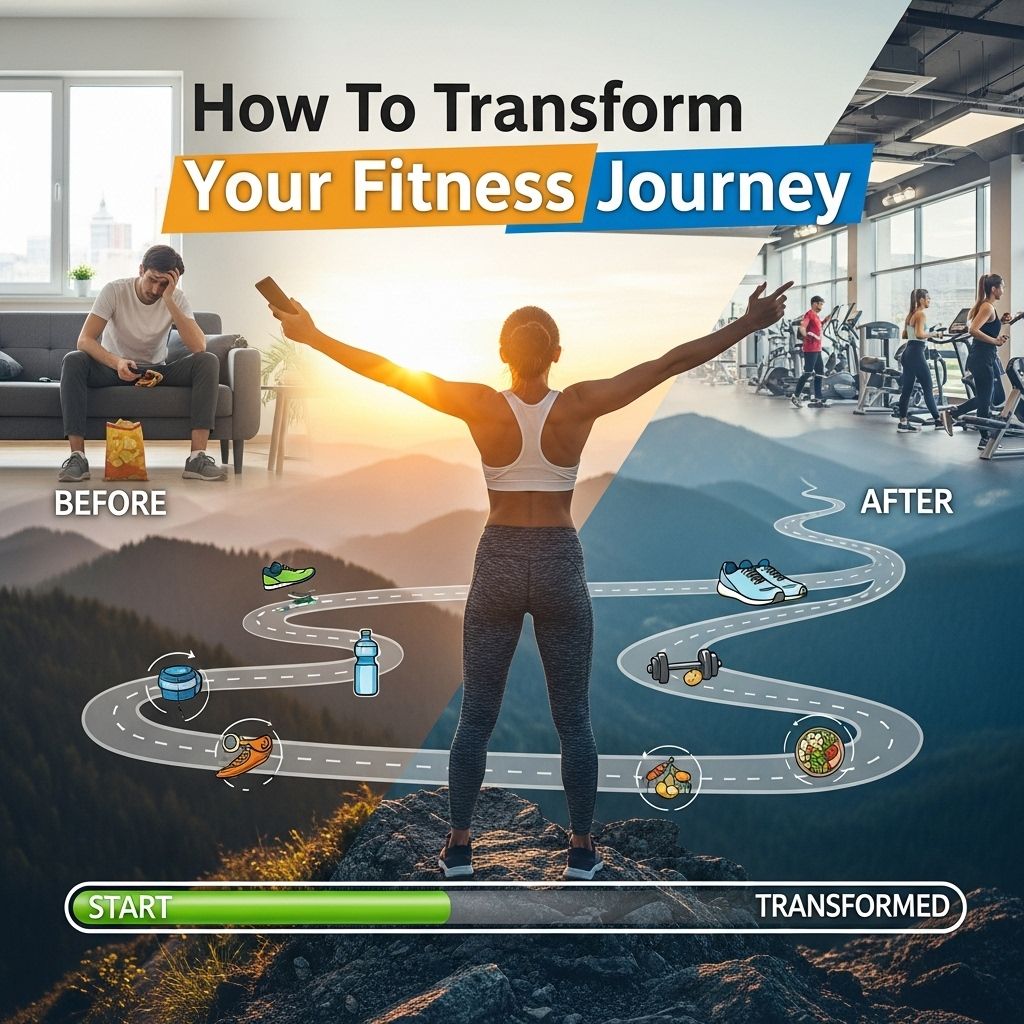
Embarking on a fitness journey is more than just a change in physical appearance; it’s a comprehensive transformation that influences mental health, emotional well-being, and lifestyle choices. Many individuals find themselves stuck in a rut, repeating the same routines without seeing significant progress. This article delves into effective strategies that can revitalize your fitness journey, motivating you to push through plateaus and achieve your goals.
Table of Contents
Understanding Your Why
Before jumping into workouts and meal plans, it’s essential to clarify your motivations. Understanding why you want to transform your fitness journey establishes a solid foundation for your efforts.
Identifying Personal Motivators
- Health Improvement: Managing chronic conditions or reducing the risk of disease.
- Physical Appearance: Desiring a certain look or body shape.
- Mental Wellness: Alleviating stress, anxiety, or depression.
- Performance Goals: Training for a marathon, competition, or specific event.
Take some time to reflect on what drives you personally. Writing these down can serve as a reminder on tough days.
Setting Realistic Goals
Goals provide direction and benchmarks for your progress. However, it’s crucial to set realistic and achievable objectives that align with your current abilities.
The SMART Goal Framework
One effective method of goal setting is the SMART criteria:
- Specific: Define your goal clearly.
- Measurable: Ensure you can track your progress.
- Achievable: Set goals that are challenging yet attainable.
- Relevant: Your goals should matter to you and fit into your broader life.
- Time-bound: Establish a clear timeline for achieving your goals.
Examples of SMART Goals
| Goal | SMART Criteria |
|---|---|
| Run a 5K | Specific: I want to run a 5K. Measurable: I will track my distance and time. Achievable: I will train thrice a week. Relevant: I enjoy running. Time-bound: I aim to complete it in three months. |
| Lose Weight | Specific: I want to lose 10 pounds. Measurable: I will weigh myself weekly. Achievable: I will cut 500 calories a day. Relevant: It will improve my health. Time-bound: I will do this in two months. |
Creating a Balanced Workout Plan
A successful fitness routine includes a variety of exercise types. This not only prevents boredom but also promotes overall fitness.
Components of a Well-Rounded Workout
- Aerobic Exercises: Activities that boost cardiovascular health such as running, cycling, or swimming.
- Strength Training: Resistance training using weights, bands, or bodyweight to build muscle.
- Flexibility and Balance: Incorporating yoga or Pilates to improve flexibility and core strength.
- Active Recovery: Light activities like walking or stretching to aid recovery.
Nutrition: Fueling Your Fitness Journey
What you eat plays as significant a role in your fitness journey as your workouts. Proper nutrition fuels your body and aids recovery.
Key Nutritional Concepts
- Macronutrients: Understanding proteins, carbohydrates, and fats and their role in your body.
- Hydration: Importance of staying hydrated for optimal performance.
- Meal Timing: When to eat before and after workouts to maximize energy and recovery.
Sample Meal Plan
Here’s a sample meal plan to get you started on a balanced diet:
| Meal | Foods |
|---|---|
| Breakfast | Oatmeal with berries and almonds |
| Lunch | Grilled chicken salad with mixed greens |
| Dinner | Steamed veggies and quinoa with salmon |
| Snacks | Greek yogurt and fruit or nuts |
Monitoring Progress and Staying Motivated
Tracking your progress is essential for staying motivated. Celebrate small victories to keep your spirits high.
Effective Tracking Methods
- Fitness Apps: Leverage technology to track workouts and nutrition.
- Journals: Write down your daily activities and feelings about your journey.
- Progress Photos: Take before-and-after pictures to visualize changes.
Staying Accountable
Consider sharing your journey with friends or joining a community. Accountability can significantly enhance your commitment.
Overcoming Common Challenges
No journey is without obstacles. Here are some common challenges and strategies to overcome them:
Time Management
Integrate workouts into your daily routine by:
- Scheduling exercise like an important meeting.
- Opting for shorter, high-intensity workouts.
- Combining physical activity with social events.
Lack of Motivation
Combat motivational dips by:
- Changing up your routine frequently.
- Listening to motivating podcasts or music.
- Setting new challenges to keep things fresh.
Conclusion: Your Path Forward
Transforming your fitness journey is a multifaceted endeavor that requires understanding, planning, and dedication. By clarifying your motivations, setting realistic goals, creating a balanced routine, and overcoming challenges, you can create a rewarding and sustainable fitness journey. Remember, every step you take is part of a larger journey toward health and wellness, and it’s essential to enjoy the process.
FAQ
What are the first steps to transform my fitness journey?
Start by setting clear and achievable goals, creating a balanced workout plan, and incorporating healthy eating habits.
How can I stay motivated during my fitness transformation?
Find a workout buddy, track your progress, and celebrate small victories to maintain motivation.
What role does nutrition play in transforming my fitness journey?
Nutrition is crucial as it fuels your workouts, aids recovery, and helps you achieve your fitness goals.
How often should I change my workout routine for optimal results?
To avoid plateaus, consider changing your workout routine every 4-6 weeks, introducing new exercises or varying intensity.
Can mindfulness and mental health impact my fitness journey?
Yes, practicing mindfulness can enhance focus, reduce stress, and improve overall well-being, positively impacting your fitness efforts.
What are some common mistakes to avoid when transforming my fitness journey?
Avoid setting unrealistic goals, neglecting recovery, and skipping strength training in favor of cardio alone.