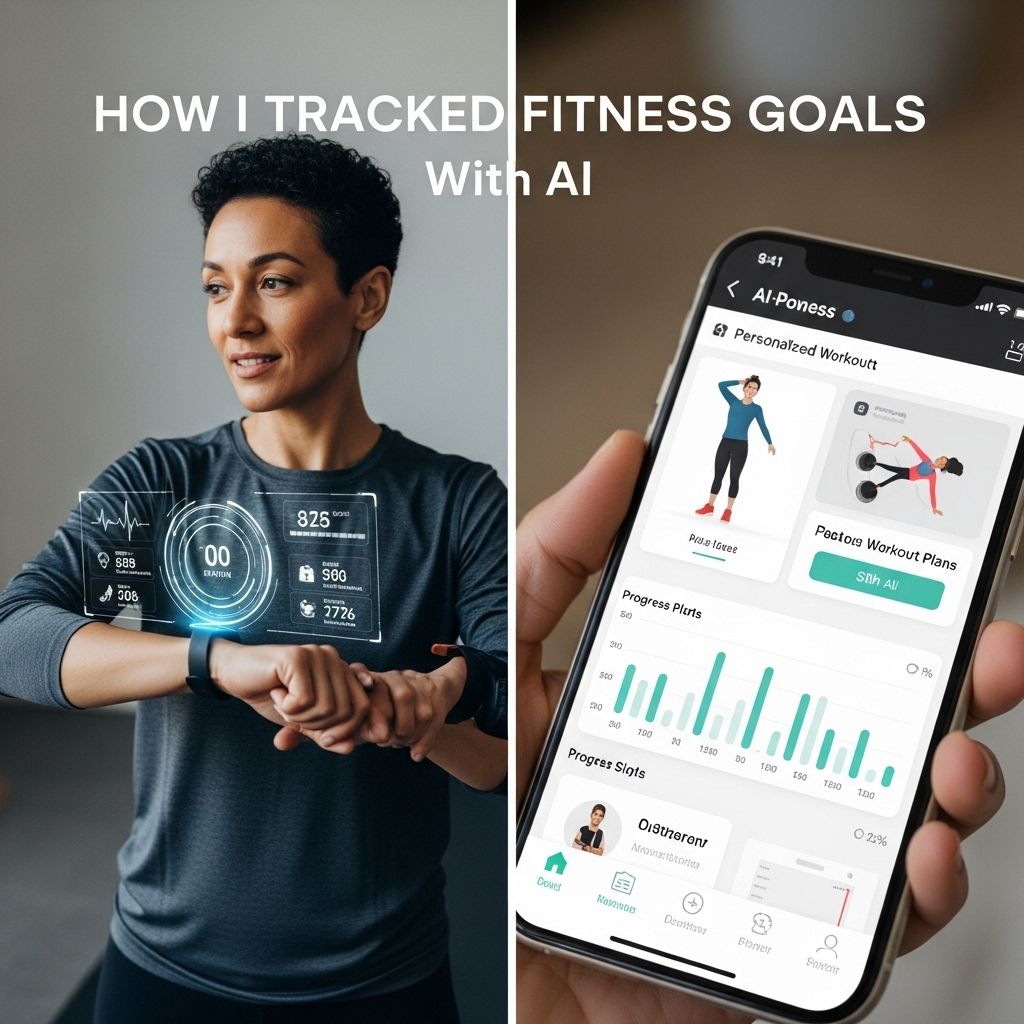
In the age of technology and innovation, tracking fitness goals has transitioned from paper journals to sophisticated applications powered by artificial intelligence. With a commitment to improving my health and fitness, I embarked on a journey that saw me utilizing AI-driven tools to not just set but also achieve my fitness objectives. This article outlines the methodologies and technologies I employed, the challenges I faced, and the remarkable results I achieved.
Table of Contents
Understanding the Basics of AI in Fitness
Artificial Intelligence in fitness encompasses algorithms and data analysis to optimize workout routines, monitor dietary habits, and enhance overall health outcomes. Key components include:
- Personalized Training Plans: Tailored exercise regimens based on individual metrics.
- Real-Time Feedback: Instant assessments during workouts to improve technique.
- Data Analysis: Comprehensive tracking of progress over time.
Choosing the Right AI Tools
Factors to Consider
When selecting AI tools for tracking fitness goals, several critical factors come into play:
- User Interface: The application should be user-friendly and intuitive.
- Customizability: The ability to tailor programs to fit personal goals.
- Integration Capabilities: Compatibility with wearable devices like smartwatches.
- Data Security: Ensuring personal data is protected.
Popular AI Fitness Applications
Here are some standout AI fitness applications that helped me on my journey:
| App Name | Features | Pros | Cons |
|---|---|---|---|
| MyFitnessPal | Nutritional tracking, exercise logging | Large food database, user-friendly | Ads in the free version |
| Fitbod | AI-driven workout plans, strength tracking | Customizable settings, adaptive workouts | Monthly subscription required |
| Samsung Health | Integration with wearables, health metrics | Comprehensive features, free to use | Limited guidance on workouts |
Implementing AI in My Fitness Routine
Step 1: Setting Clear Goals
The first step in my journey was establishing clear, measurable goals. SMART goals were the guiding principle:
- Specific: I aimed to run a 5K.
- Measurable: Tracking my distance and time.
- Achievable: Aiming for a completion time of 30 minutes.
- Relevant: Improving cardiovascular health.
- Time-bound: Completing the 5K in three months.
Step 2: Data Collection
Using a combination of AI applications, I collected data on my workouts, nutrition, and recovery. This involved:
- Wearable Devices: I utilized a smartwatch to monitor heart rate and activity levels.
- Fitness Apps: Logging workouts in MyFitnessPal and tracking runs via Strava.
- Sleep Tracking: Understanding recovery patterns through sleep monitoring apps.
Step 3: Analyzing Data and Adjusting Plans
With data collected, AI algorithms analyzed my performance to suggest adjustments in my training plan. Insights included:
- Identifying peak performance times for workouts.
- Recognizing patterns in fatigue and recovery.
- Adjusting nutritional intake based on activity levels.
Adapting to Challenges
No journey is without its challenges. I encountered several roadblocks, including:
Motivational Lulls
Despite the data-driven approach, I faced periods of low motivation. To counter this, I:
Data Overwhelm
At times, the sheer amount of data was overwhelming. To streamline this:
- I focused on key performance indicators (KPIs) relevant to my goals.
- Regularly reviewed progress to maintain clarity and direction.
Results and Achievements
After implementing an AI-driven approach to my fitness journey, the results were astounding:
- Increased Endurance: Successfully completed my first 5K with a time of 28 minutes.
- Improved Nutrition: Gained a better understanding of my dietary habits, resulting in healthier choices.
- Greater Awareness: Developed a more profound connection with my body, recognizing when to push harder or rest.
Conclusion
Utilizing AI to track fitness goals has transformed my approach to health and wellness. The integration of technology not only provided personalized insights but also made the journey engaging and motivating. As technology continues to evolve, the potential for AI in fitness seems limitless, paving the way for more individuals to achieve their health aspirations. Whether you are a novice or a seasoned fitness enthusiast, leveraging AI can vastly enhance your fitness journey.
FAQ
How can I use AI to track my fitness goals?
You can use AI-powered fitness apps that analyze your activity data, provide personalized workout recommendations, and track your progress over time.
What are the benefits of using AI for fitness tracking?
AI can offer personalized insights, real-time feedback, and motivation, helping you stay on track with your fitness goals more effectively.
Can AI help me set realistic fitness goals?
Yes, AI can analyze your current fitness level and suggest achievable goals based on your performance and lifestyle.
What types of fitness data can AI track?
AI can track a variety of data, including workout duration, calories burned, heart rate, sleep patterns, and nutrition intake.
Is it easy to integrate AI fitness trackers with my existing routine?
Most AI fitness trackers are designed to be user-friendly and can easily integrate with your existing fitness routine or devices.
Are AI fitness trackers accurate?
While AI fitness trackers are generally accurate, their effectiveness can depend on the quality of the device and how well it is used.