Avoid These Top 10 Graphic Design Mistakes
Discover the top 10 graphic design mistakes to avoid for better results in your projects. Improve your design skills and impress your clients!

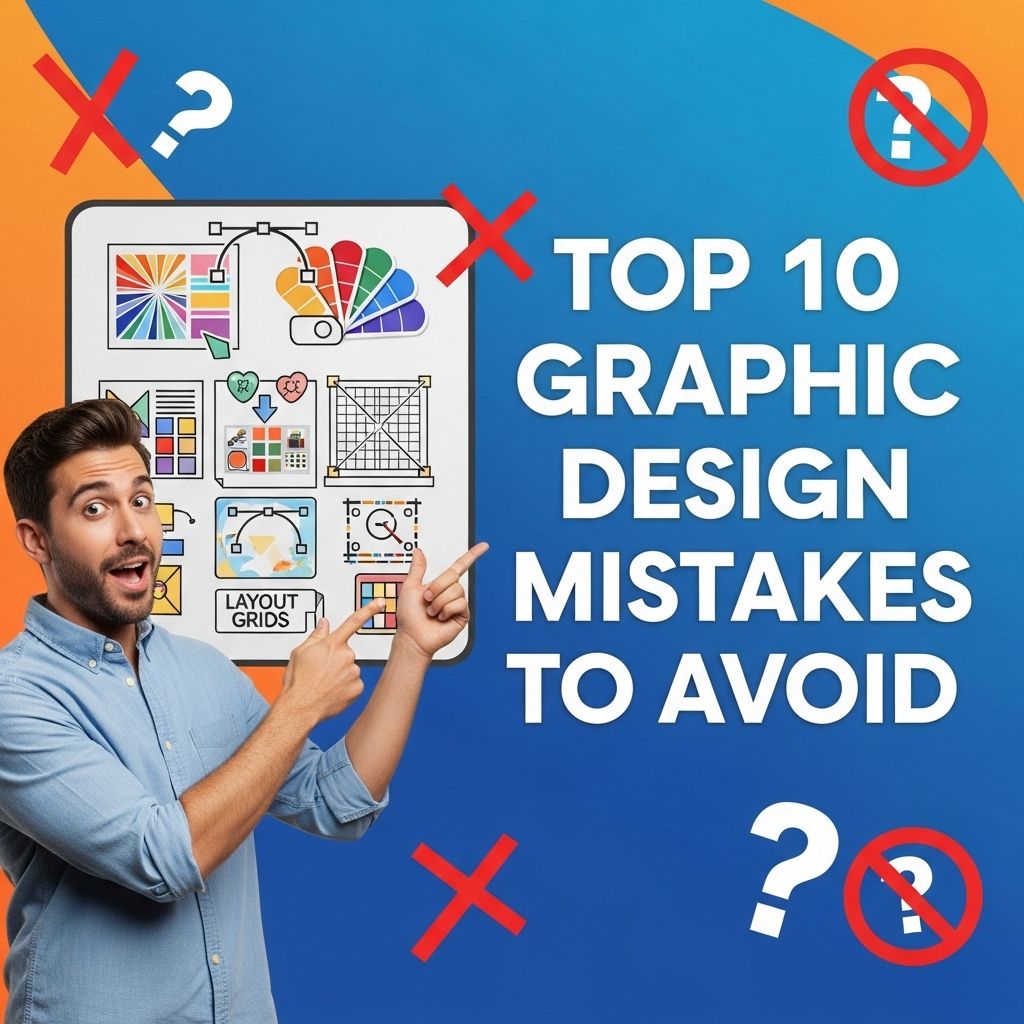
Graphic design is more than just making things look pretty; it’s about effectively communicating ideas and messages. In our visually driven world, the importance of good design cannot be overstated. However, even seasoned professionals can fall victim to common design pitfalls. In this article, we will explore the top ten graphic design mistakes that can undermine your work and how to avoid them.
In the world of graphic design, even seasoned designers can fall prey to common pitfalls that undermine their work. Avoiding these top 10 graphic design mistakes can elevate your designs and enhance their impact. To effectively showcase your logos, learn how to use logo mockups effectively.
Table of Contents
1. Ignoring Alignment
Alignment is crucial in design. When elements are misaligned, it creates a sense of chaos and disorganization. Proper alignment not only leads to a cleaner look but also enhances readability and flow.
Tips for Proper Alignment
- Use grid systems to guide the placement of elements.
- Ensure that text aligns properly with images and other graphic elements.
- Check margins and spacing to maintain consistency.
2. Overusing Fonts
Using too many fonts can lead to visual clutter and confusion. A good rule of thumb is to limit yourself to two or three typefaces in a single project. This creates a cohesive and harmonious look.
Font Pairing Guidelines
- Choose one font for headings and another for body text.
- Stick to a limited color palette for your fonts.
- Ensure that fonts you choose are legible and appropriate for your message.
3. Poor Color Choices
Color plays a significant role in design, influencing perception and emotion. Inappropriate color schemes can alienate your audience or misrepresent your brand.
Color Theory Fundamentals
Understanding basic color theory can help you select effective color combinations. Here are some foundational concepts:
| Color Harmony | Definition |
|---|---|
| Complementary | Colors opposite each other on the color wheel. |
| Analogous | Colors next to each other on the color wheel. |
| Triadic | Three colors evenly spaced around the color wheel. |
4. Lack of Consistency
Consistency across your design elements fosters familiarity and trust. If your branding varies greatly from one project to another, it can confuse your audience.
Ways to Ensure Consistency
- Create a style guide for your brand that includes fonts, colors, and design elements.
- Use templates for repeatable formats.
- Regularly review your designs to ensure adherence to your established guidelines.
5. Cluttered Layouts
Less is often more in graphic design. A cluttered layout can detract from your message and overwhelm your audience.
Strategies for Clean Layouts
- Embrace white space to give your elements breathing room.
- Limit the number of elements on a page.
- Prioritize the most important information using hierarchy.
6. Using Low-Quality Images
High-quality images are essential for professional graphic design. Blurry or pixelated images can severely damage the integrity of your work.
Image Sourcing Tips
- Use stock photo sites that offer high-resolution images.
- Consider creating custom graphics or illustrations.
- Always check image licensing and attribution requirements.
7. Neglecting the Audience
Design is ultimately about communicating with your audience. Failing to consider their preferences and needs can lead to ineffective designs.
Understanding Your Audience
Conduct audience research to tailor your design to their expectations. Consider:
- Demographics, such as age, gender, and interests.
- Psychographics, such as values and lifestyle factors.
- User experience, such as how they will interact with your design.
8. Overcomplicating Designs
In an effort to be creative, designers sometimes introduce overly complex elements that confuse rather than clarify.
Emphasizing Simplicity
Strive for simplicity by focusing only on what’s necessary:
- Remove unnecessary embellishments.
- Use straightforward language and terminology.
- Streamline navigation in digital designs.
9. Ignoring Accessibility
Accessibility in design ensures that everyone, including those with disabilities, can access and understand your work. Neglecting this aspect can limit your audience.
Accessibility Best Practices
- Use high-contrast color schemes for readability.
- Incorporate alt text for images.
- Ensure that text size is adjustable and legible.
10. Failing to Gather Feedback
Design is often subjective, and what makes sense to you may not resonate with others. Failing to seek feedback can result in missed opportunities for improvement.
How to Gather Effective Feedback
- Share your designs with a diverse group of people.
- Ask specific questions about your design choices.
- Be open to constructive criticism and willing to iterate.
Conclusion
Avoiding these common graphic design mistakes can significantly enhance the effectiveness of your work. By paying attention to alignment, consistency, audience needs, and accessibility, you can create compelling designs that resonate with your target audience. Continuous learning and adapting to feedback will only enrich your design journey, paving the way for your success in the world of graphic design.
FAQ
What are the most common graphic design mistakes to avoid?
Common graphic design mistakes include poor font choices, excessive use of colors, lack of alignment, neglecting white space, and ignoring the target audience.
How can poor font choices affect my graphic design?
Poor font choices can make your design difficult to read and can convey the wrong message about your brand, leading to a negative impression.
Why is white space important in graphic design?
White space helps to improve readability, creates a sense of elegance, and allows the design elements to breathe, enhancing the overall aesthetics.
What role does color play in graphic design?
Color plays a crucial role in evoking emotions, establishing brand identity, and guiding the viewer’s attention, so it’s important to choose colors thoughtfully.
How can I ensure my design aligns with my target audience?
To ensure alignment with your target audience, conduct research to understand their preferences and expectations, and tailor your design elements accordingly.
What is the impact of ignoring alignment in graphic design?
Ignoring alignment can lead to a chaotic and unprofessional look, making your design confusing and difficult for viewers to navigate.