10 Essential Stock Market Basics You Must Know
Discover the 10 essential stock market basics that every investor should know to navigate the financial markets confidently.
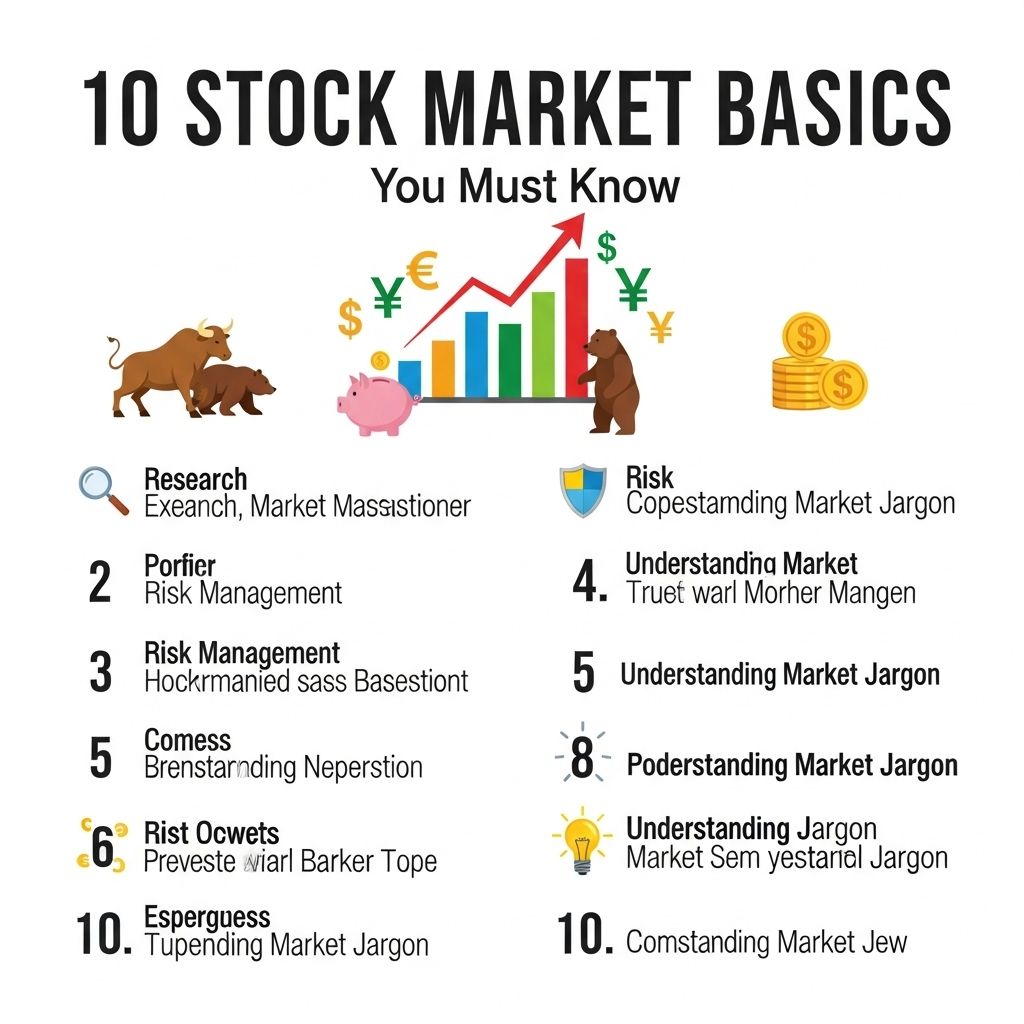
The stock market can often seem like a complex labyrinth of numbers, trends, and jargon that only experienced investors can navigate. However, understanding the basics of the stock market is crucial for anyone who wants to build wealth through investing. Whether you are a novice looking to make your first investment or someone who wants to refresh your knowledge, grasping these key concepts will empower you to make informed decisions as you enter the world of stocks.
Understanding the stock market can seem daunting, but grasping a few essential concepts can empower you on your investment journey. This guide will introduce you to 10 crucial stock market basics that every investor should know, helping you to navigate the complexities of trading and investing. For a creative touch on your financial projects, explore our 3D logo mockups to visualize your brand.
What Is the Stock Market?
The stock market is a collection of markets where stocks (shares of ownership in businesses) are bought and sold. It serves as a platform for companies to raise capital by issuing shares and for investors to gain ownership in those companies. When you buy a stock, you are essentially purchasing a small piece of that company.
Key Components of the Stock Market
1. Stocks
Stocks represent ownership in a company. They can be categorized into two main types:
- Common stocks: Most prevalent, allowing shareholders to vote on company decisions.
- Preferred stocks: Typically do not offer voting rights but have a higher claim on assets and dividends.
2. Stock Exchanges
Stock exchanges are platforms where stocks are traded. The two most notable stock exchanges in the U.S. are:
- New York Stock Exchange (NYSE): The largest stock exchange by market capitalization.
- NASDAQ: Known for its high-tech companies and electronic trading.
3. Market Indices
Market indices track a group of stocks, providing a glimpse of market performance. Important indices include:
| Index Name | Focus |
|---|---|
| Dow Jones Industrial Average | 30 large, publicly-owned companies |
| S&P 500 | 500 largest U.S. companies |
| NASDAQ Composite | More than 3,000 stocks listed on the NASDAQ |
How Stocks Are Priced
Supply and Demand
The price of a stock is driven by supply and demand dynamics:
- Increased demand for a stock drives prices up.
- Increased supply drives prices down.
Market Capitalization
Market capitalization is calculated by multiplying the stock price by the total number of outstanding shares. Companies are often classified into the following categories based on their market cap:
- Large-cap: Companies with a market cap over $10 billion.
- Mid-cap: Companies with a market cap between $2 billion and $10 billion.
- Small-cap: Companies with a market cap below $2 billion.
Investment Strategies
1. Buy and Hold
This long-term strategy involves purchasing stocks and holding them for several years to benefit from capital appreciation and dividends.
2. Day Trading
Day trading involves buying and selling stocks within the same trading day, aiming to make quick profits. This strategy requires a deep understanding of market fluctuations and trends.
3. Value Investing
Value investing focuses on finding undervalued stocks that are perceived to be trading for less than their intrinsic value, hoping they will increase in price over time.
Understanding Risk
Market Volatility
Stock prices fluctuate based on various factors, including economic conditions, company performance, and geopolitical events. Recognizing market volatility is essential for managing investment risk.
Risk Tolerance
Your risk tolerance is your ability to endure losses in the stock market. It varies based on your financial situation, investment goals, and psychological comfort with risk.
Stock Performance Metrics
1. Earnings Per Share (EPS)
EPS indicates the profitability of a company, calculated as:
Earnings Per Share = (Net Income – Dividends on Preferred Stock) / Average Outstanding Shares
2. Price-to-Earnings Ratio (P/E)
The P/E ratio helps to assess whether a stock is over or undervalued. It’s calculated as:
P/E Ratio = Stock Price / Earnings Per Share
3. Dividend Yield
Dividend yield shows how much a company returns to its shareholders in dividends, expressed as a percentage of the stock price:
Dividend Yield = Annual Dividends Per Share / Price Per Share
Getting Started with Investing
1. Setting Investment Goals
Define your investment goals clearly. Are you looking for short-term gains, or are you focused on long-term growth? Your goals will shape your investment strategy.
2. Choosing a Brokerage
Select a brokerage that aligns with your investment style. Consider factors such as:
- Commission fees
- Investment options
- User interface and tools
3. Diversification
Diversification involves spreading investments across various asset classes or sectors to mitigate risk. A well-diversified portfolio may include:
- Stocks
- Bonds
- Mutual funds
- Real estate
Monitoring Your Investments
Regularly review your investment portfolio to ensure it aligns with your goals. Adjustments may be necessary due to market changes or personal financial needs.
Conclusion
Understanding the stock market basics is the first step toward making informed investment decisions. With knowledge of stocks, market dynamics, and investment strategies, you can confidently navigate the financial markets and work towards building your wealth over time. Always remember that investing involves risks and potential losses, so continuous education and a strategic approach are key to long-term success.
FAQ
What is the stock market?
The stock market is a collection of markets where stocks (shares of ownership in businesses) are bought and sold.
How do stocks work?
Stocks represent ownership in a company. When you buy a stock, you are purchasing a small piece of that company.
What is the difference between stocks and bonds?
Stocks represent equity in a company, while bonds are loans made to a company or government that pay interest over time.
What is a stock exchange?
A stock exchange is a platform where stocks are traded. Examples include the New York Stock Exchange (NYSE) and the Nasdaq.
Why do companies issue stocks?
Companies issue stocks to raise capital for growth, expansion, or to pay off debt.
What is a stock broker?
A stock broker is a licensed professional who buys and sells stocks on behalf of investors.